
A thin, patchy lawn doesn’t always need to be torn out and replaced. Often, it just needs more grass plants. Overseeding means spreading new seed over existing turf to fill bare spots, crowd out weeds, and bring in tougher grass varieties. Here’s how to overseed a lawn the right way, including the timing that makes or breaks the job.
Why Overseed?
- Fills thin areas: Older lawns naturally thin out over time.
- Crowds out weeds: Dense turf leaves less room for crabgrass and dandelions.
- Upgrades your grass: Newer varieties often handle drought, shade, and disease better.
- Repairs damage: It helps after a hot summer, grub damage, or heavy foot traffic.
When to Overseed a Lawn
When you overseed a lawn matters as much as how. The best timing depends on your grass type.
Cool-Season Grasses
Kentucky bluegrass, tall fescue, perennial ryegrass, and fine fescues grow across the northern half of the U.S. and Canada. For these grasses, late summer to early fall is the ideal time to overseed a lawn. The soil is still warm, nights are cool, and weeds are slowing down. As a general rule, finish seeding at least 45 days before your first hard frost.
Missed that window? You can also try dormant seeding in late fall, once the soil is too cold for seed to sprout. The seed sits over winter, then germinates in spring.
Warm-Season Grasses
Bermuda, zoysia, centipede, and St. Augustine grow across the South. These grasses spread best in late spring and early summer. However, many Southern homeowners overseed dormant Bermuda with perennial ryegrass in early to mid-fall. As a result, the lawn stays green all winter, and the ryegrass fades out as the Bermuda wakes up in spring.
How to Overseed a Lawn Step by Step
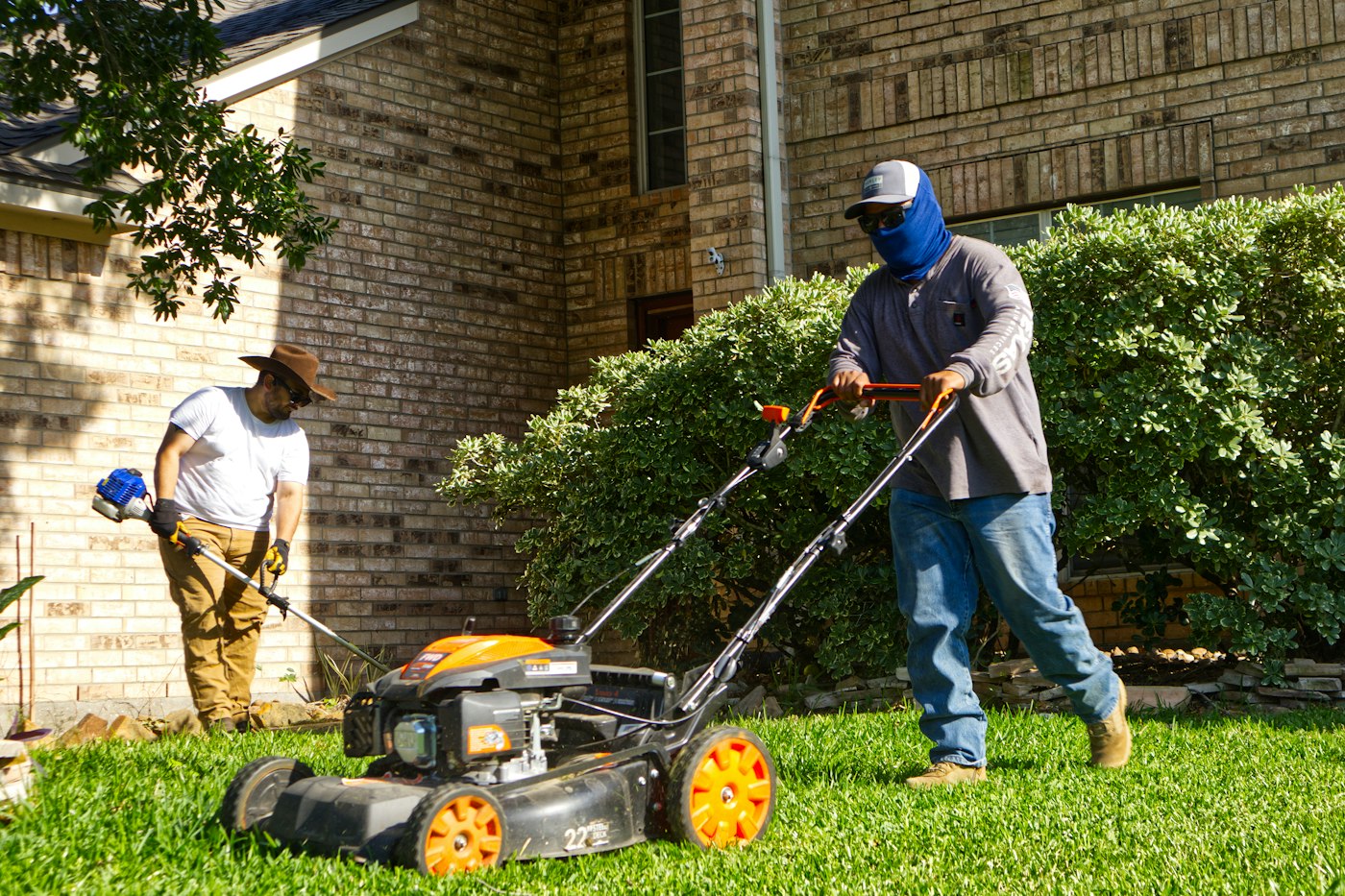
1. Mow Short
Cut the grass to about 1.5 to 2 inches, and bag the clippings. That way, seed can reach the soil instead of sitting on top of the grass.
2. Loosen the Surface
Next, rake hard with a metal rake to remove thatch and expose bare soil. For compacted lawns, rent a core aerator first. The small holes it leaves are perfect pockets for seed.
3. Pick the Right Seed
Choose a blend that matches your climate, sun, and use. For example, tall fescue handles heat and drought well, fine fescues tolerate shade, and Kentucky bluegrass spreads to fill gaps. NC State has a helpful profile of Kentucky bluegrass if you’re comparing options.
4. Spread the Seed Evenly
Use a broadcast or drop spreader set to the overseeding rate on the bag. That’s usually about half the rate for a brand-new lawn. Then walk the lawn in two directions, applying half the seed each time, for even coverage.
5. Rake and Topdress
Lightly rake the seed into the soil. If you have it, spread a thin layer of compost, about 1/4 inch, over thin spots. This keeps seed moist and protects it from birds.
6. Feed Gently
A starter fertilizer helps young roots grow. Also, skip weed preventers this season, because most pre-emergent herbicides stop grass seed from sprouting, too.
Watering New Seed
Water is the most important part of how to overseed a lawn successfully. Keep the top inch of soil moist until the seedlings are up. Usually, that means light watering once or twice a day.
Germination time varies. Perennial ryegrass sprouts in about 5 to 10 days, tall fescue in 7 to 14, and Kentucky bluegrass can take two to four weeks. Once the grass is up, water less often but more deeply.

Caring for the New Grass
- Wait to mow until the new grass reaches about 3 to 4 inches tall.
- Keep kids, pets, and heavy traffic off seeded areas for several weeks.
- Rake fallen leaves gently, since a thick mat smothers seedlings.
- Then raise your mower height to 3 inches or more for the rest of the season.
Consider Less Lawn
If parts of your yard stay patchy no matter what, the grass may simply be in the wrong place. Deep shade and dry slopes are tough on turf. In those spots, consider ground covers or the ideas in our drought tolerant landscaping guide. For more seasonal yard tasks, see our list of fall garden chores.
FAQ
Can I overseed without aerating?
Yes, you can overseed a lawn without aerating, but results are better when seed touches soil. At minimum, rake hard before seeding.
How soon will I see results?
Most lawns fill in noticeably within four to six weeks of good weather.
What’s the biggest mistake when learning how to overseed a lawn?
Letting the seed dry out. Even one hot, dry afternoon can kill sprouting seed, so water consistently.