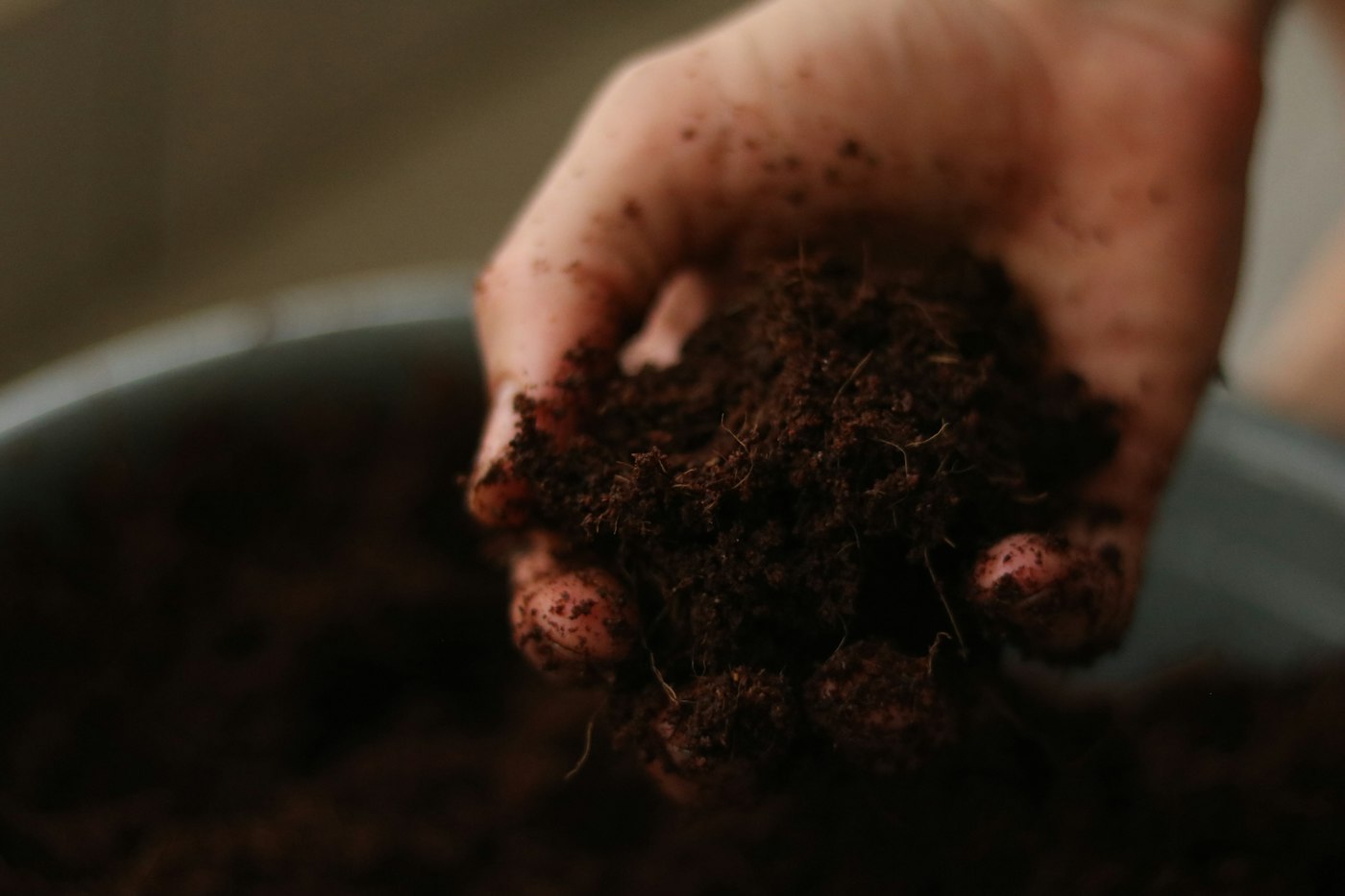

Building a raised bed is the easy part. Filling it is where costs add up. A single 4-by-8-foot bed that’s 12 inches deep holds about 32 cubic feet of soil, which is more than a dozen bags. Knowing how to fill a raised garden bed the smart way saves money and gives you better soil.
Here’s what to put in, in what order, and how to calculate how much you need.
How Much Soil Do You Need?
Multiply length × width × depth in feet. That gives you cubic feet.
- 4 × 8 × 1 foot deep = 32 cubic feet
- A deeper 4 × 8 bed at 1.5 feet = 48 cubic feet
- 4 × 4 × 1 foot deep = 16 cubic feet
Divide by 27 to get cubic yards. For example, 32 cubic feet is about 1.2 cubic yards. If you’re filling more than two beds, buying in bulk by the yard is usually much cheaper than bags.
The Ideal Soil Mix
When you’re deciding how to fill a raised garden bed for vegetables, a reliable recipe is:
- 60 percent screened topsoil
- 40 percent compost
Some gardeners also add a little perlite or coarse sand for drainage in heavy mixes. However, avoid filling beds with straight compost, which shrinks a lot and can be too rich. Likewise, skip bagged “garden soil” meant for in-ground use; it’s often too dense in a raised bed.
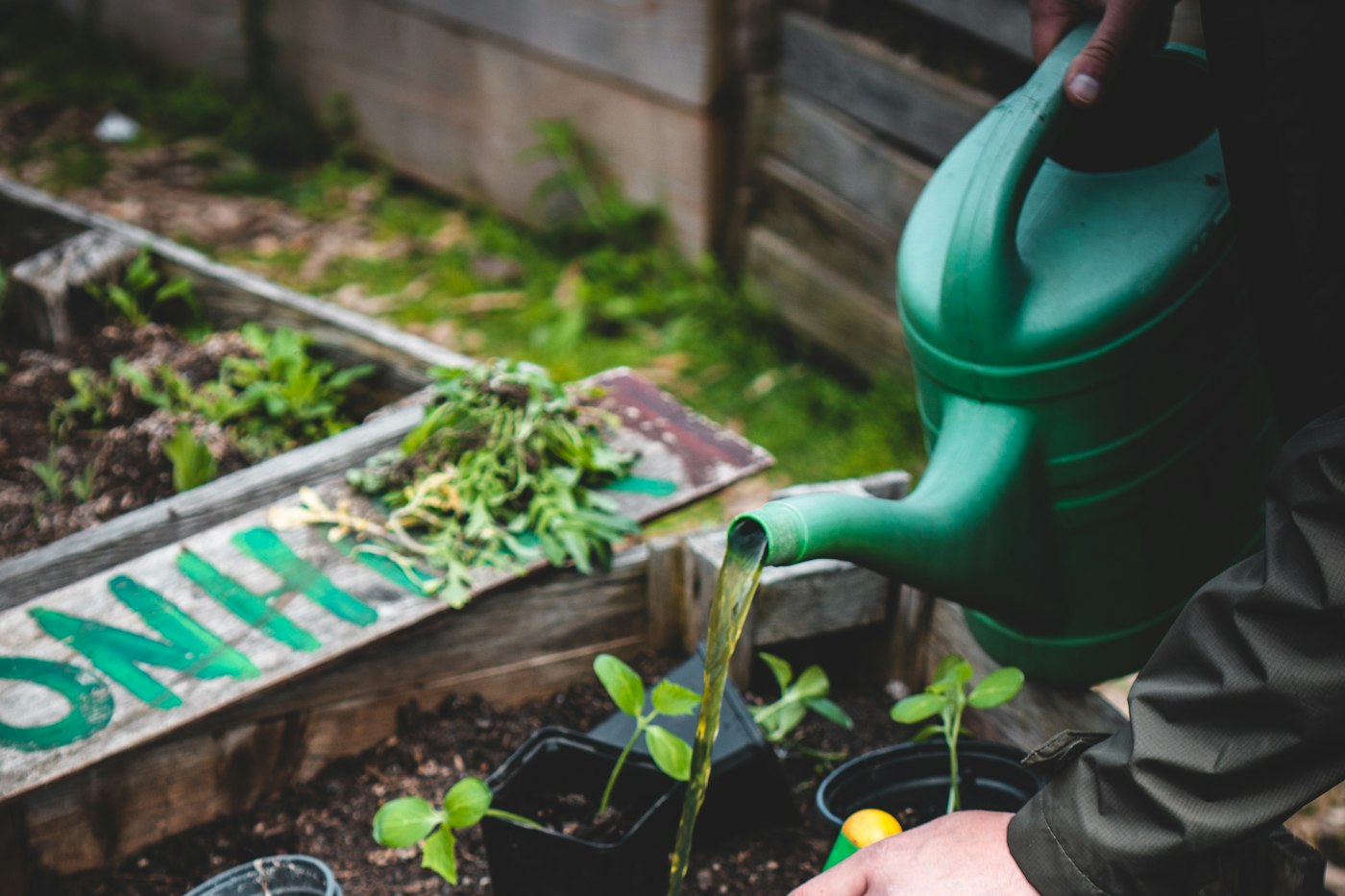
How to Fill a Raised Garden Bed in Layers
Deep beds don’t need premium soil all the way down. Most vegetable roots work in the top 12 inches. So in beds deeper than that, you can fill the bottom with cheaper organic material. This method is sometimes called hugelkultur-style filling.
Layer 1: Bottom (in beds over 18 inches deep)
Logs, thick branches, and untreated wood chunks. These break down slowly over years.
Layer 2: Coarse organic matter
Next, add sticks, leaves, straw, and grass clippings. Water each layer as you go so it settles.
Layer 3: Top 10 to 12 inches
Finally, finish with your topsoil and compost mix. This is where seeds and roots will live.
The lower layers will slowly sink. As a result, you’ll need to top up with compost each year, which is normal.
What Not to Put in a Raised Bed
- Treated lumber scraps or painted wood
- Plants treated with herbicides
- Weeds with seeds or running roots
- Diseased plant material
- Pure clay or subsoil
Should You Line the Bottom?
Use cardboard if the bed sits on lawn. It smothers grass and breaks down within a season. Alternatively, use hardware cloth if gophers or voles are a problem. Avoid plastic or landscape fabric, which blocks drainage and earthworms.
Let It Settle Before Planting
The last step in how to fill a raised garden bed is patience: fresh soil settles by an inch or two after the first few waterings. Water the bed deeply, wait a week, and then top it off before planting.
Keep It Going Year After Year
Each spring or fall, add 1 to 2 inches of compost. Then mulch the surface during the growing season. If you’re building several beds, our raised bed garden layout guide helps with sizes and spacing. Pairing beds with drip irrigation for raised beds also keeps moisture even as the soil matures. For more ideas on making a small space productive, see our guide to a small backyard vegetable garden.
Make Your Own Compost
Homemade compost cuts the cost of filling and refreshing beds. The EPA’s guide to composting at home explains what to add and how to get started.
A Note for South American Gardeners
In tropical climates, organic matter breaks down quickly. Therefore, raised beds in places like Brazil or Colombia need more frequent topping up, often twice a year. On the other hand, in dry regions of Argentina and Chile, mulch matters more to keep the soil from drying out.
FAQ
What’s the cheapest way to fill a raised bed?
Use free organic material, like logs, leaves, and straw, in the bottom, and buy bulk soil for the top foot.
Can I use potting mix?
Yes, but it’s expensive for large beds and can dry out quickly. It’s better for small beds and containers.
How deep should a raised bed be?
10 to 12 inches works for most vegetables. For root crops or poor native soil, go 18 inches or deeper.
