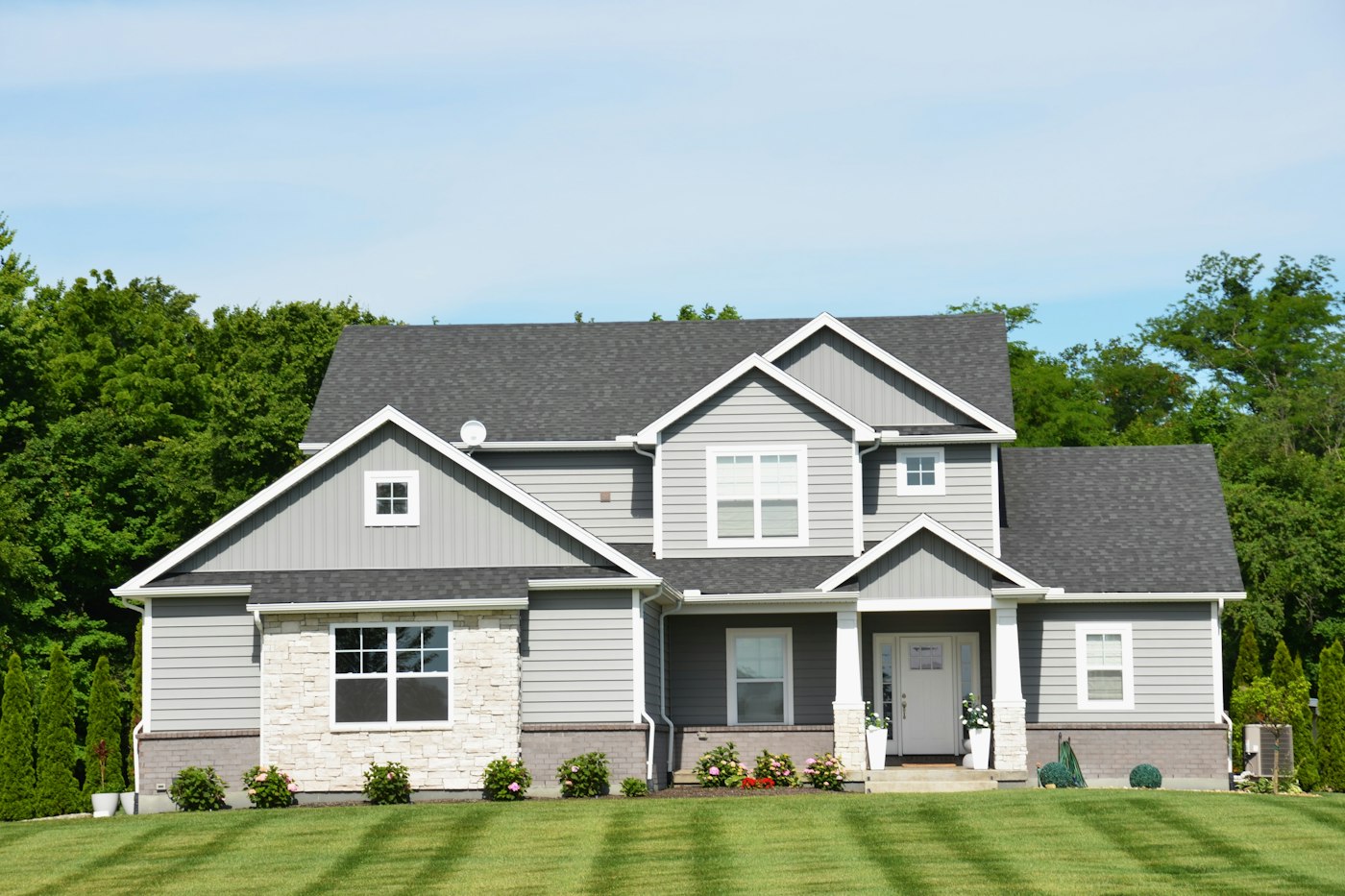
A good-looking yard shouldn’t eat every Saturday. A low maintenance front yard relies on tough plants, smart layout, and fewer things to mow, edge, and water. Once it’s established, upkeep can drop to a few hours a month.
Here’s how to plan one, plus the plants and materials that make it easy.
Start by Reducing the Lawn
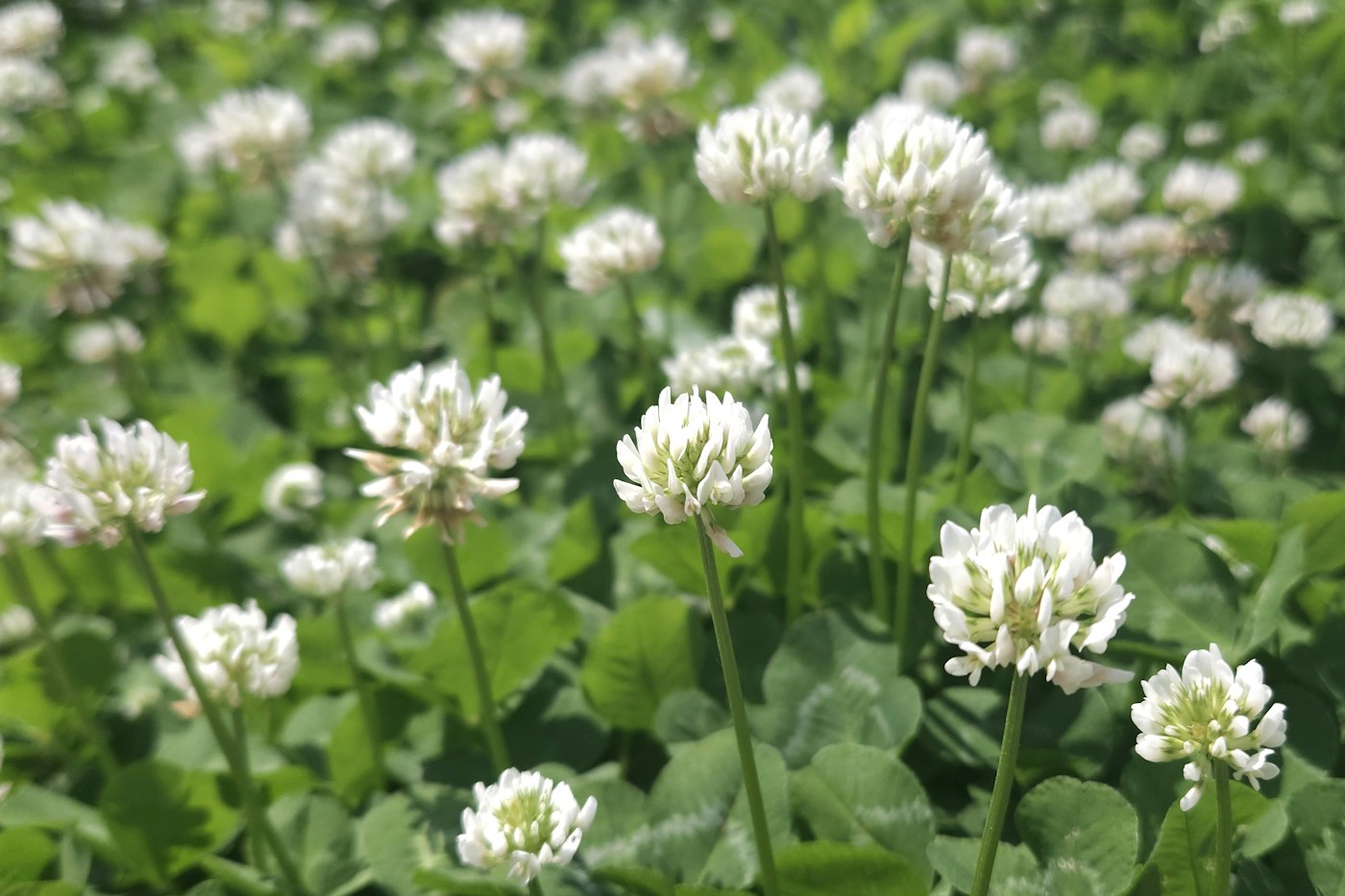
Lawns need weekly mowing, regular watering, and feeding. Therefore, shrinking the lawn is the single biggest step toward a low maintenance front yard. Keep a small, simple patch if you like the look, and replace the rest with planted beds or ground cover. A clover lawn is another option that needs less mowing and no fertilizer.
Choose Plants That Take Care of Themselves
Shrubs
- Dwarf conifers: Slow-growing and evergreen, so they rarely need pruning.
- Native viburnums: Tough, with flowers and berries for birds.
- Dwarf yaupon holly or inkberry: Evergreen alternatives to boxwood in many regions.
- Spirea and potentilla: Long-blooming and cold-hardy.
Perennials
- Coneflowers, black-eyed Susans, and catmint in sun
- Hostas, ferns, and coral bells in shade
- Daylilies, which grow almost anywhere
Ornamental Grasses
Grasses like little bluestem and feather reed grass need only one cut per year, in late winter.
Mulch Every Bed
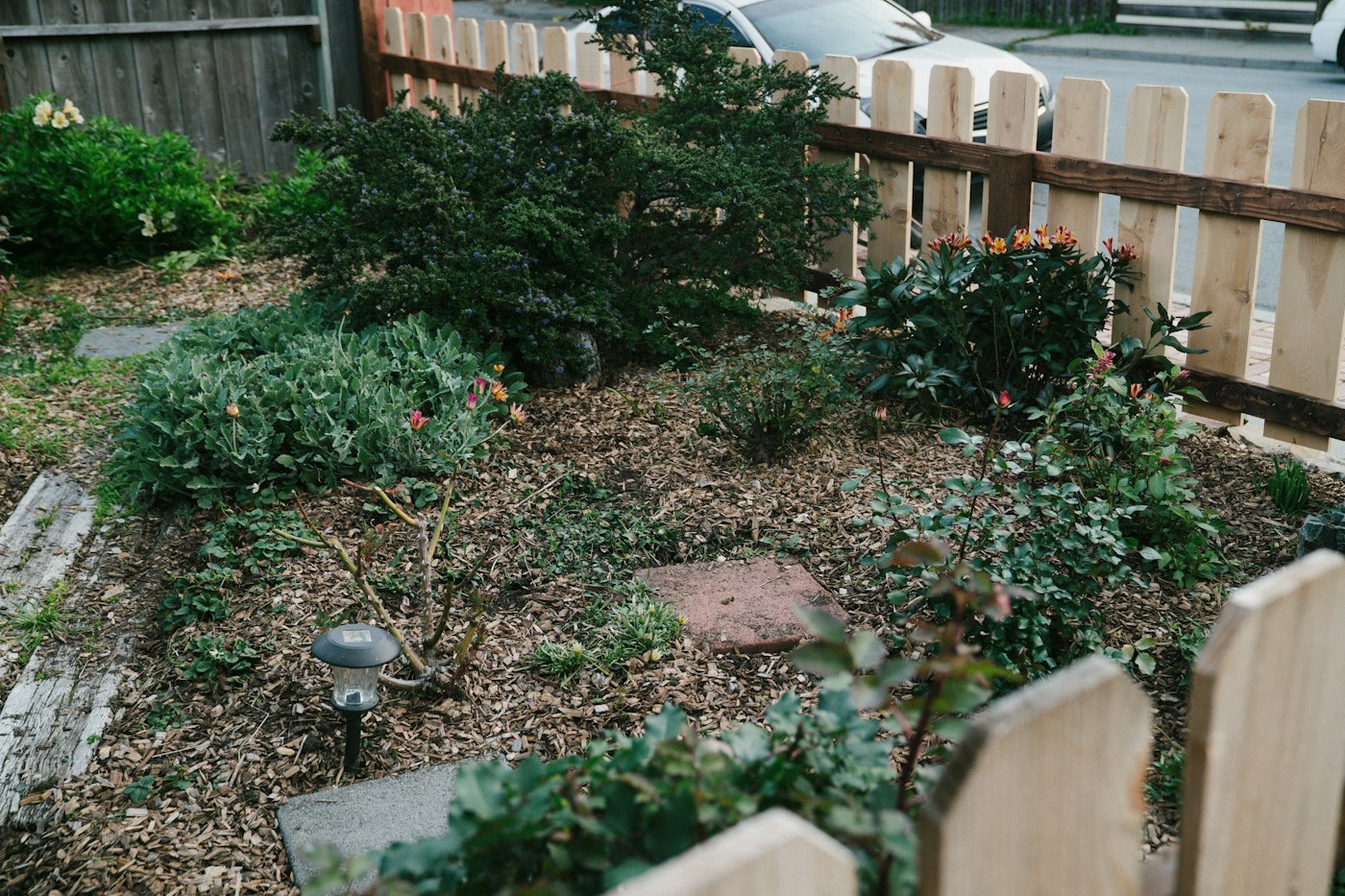
In a low maintenance front yard, a 2- to 3-inch layer of mulch blocks weeds and keeps soil moist. Moreover, it makes beds look finished even when plants are small. Refresh it once a year.
Use Ground Covers Instead of Bare Soil
Similarly, low, spreading plants fill gaps and crowd out weeds. Creeping thyme, sedum, and native ground covers work in sun. In shade, try foamflower or wild ginger.
Keep the Layout Simple
- Use wide, gentle curves that are easy to mow around.
- Also, plant in groups of the same plant rather than many single specimens.
- Leave enough space between shrubs for their mature size, so you’re not pruning constantly.
- Install a permanent edge, such as steel or stone, to stop grass from creeping in.
Water Smarter
Choosing plants suited to your rainfall means less watering. Additionally, a simple drip line on a timer handles the rest. For more water-saving ideas, see our guide to drought tolerant landscaping. The EPA’s WaterSense program also offers tips for efficient outdoor watering.
Hardscape Where It Makes Sense
A gravel or flagstone path, a small patio, or a dry creek bed reduces planted area. Still, don’t overdo it. Too much stone heats up the yard and looks harsh.
A Simple Low Maintenance Front Yard Plan
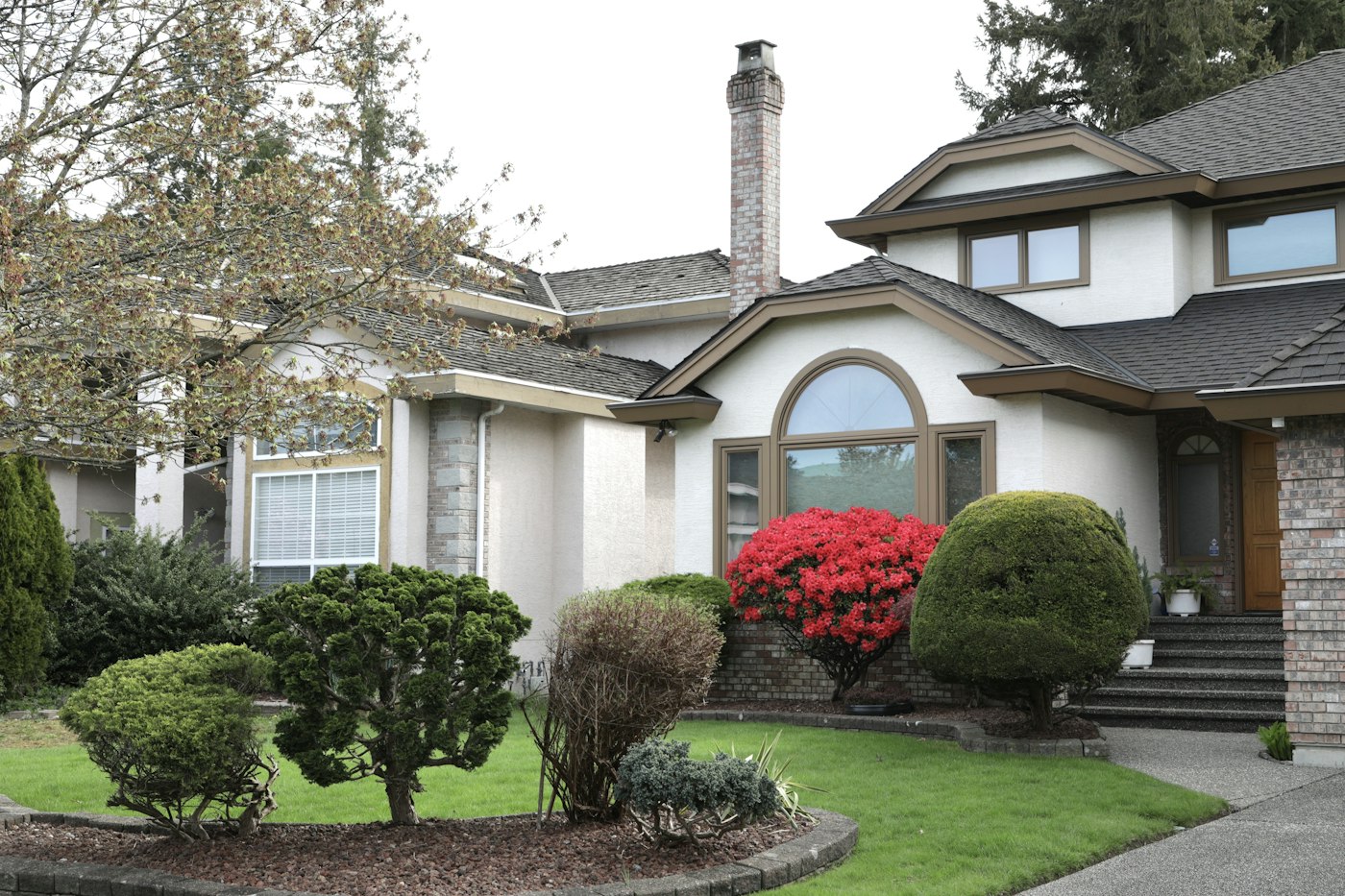
- A wide mulched bed along the house with three evergreen shrubs and groups of perennials.
- One small tree near a corner for height and shade.
- A small lawn or clover patch in the middle.
- Then a steel edge separating beds from grass.
- Finally, a drip line on a timer under the mulch.
For more design inspiration, browse our front yard landscaping ideas.
A Note for South American Homes
In warm regions of South America, many low-maintenance front gardens use agaves, ornamental grasses, and native shrubs with gravel mulch. In Brazil, plants like dianella and lomandra are popular for tidy, tough borders. The same principles apply: fewer, tougher plants and less lawn.
FAQ
What is the lowest-maintenance ground cover?
It depends on your region, but sedum, creeping thyme, and native sedges are good choices for many yards.
Are rocks lower maintenance than mulch?
Not always. Rocks heat up, and weeds still grow in the gaps. Organic mulch is often easier and better for soil.
How long until a low maintenance front yard is truly low maintenance?
Usually two to three years, once plants fill in and roots are established.