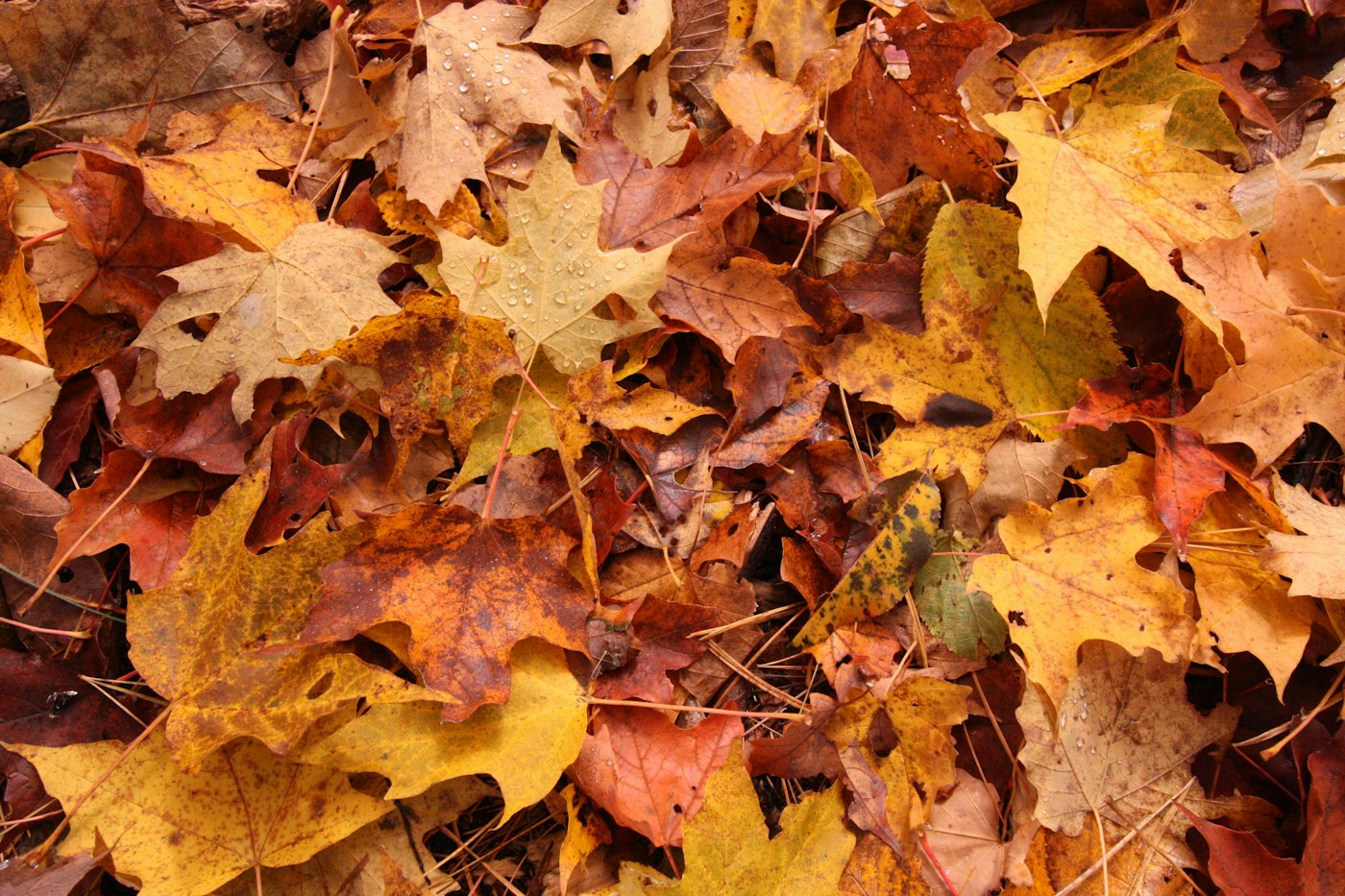

Every fall, people haul millions of bags of leaves to the curb. Yet those leaves are one of the best free soil builders around. Pile them up, keep them damp, and in about a year they turn into dark, crumbly leaf mold. Here’s how to make leaf mold at home, which leaves work best, and how to use it in your garden.
What Is Leaf Mold?
Leaf mold is simply leaves that have broken down. Unlike regular compost, it’s broken down mainly by fungi instead of bacteria. That’s why the process is slower and cooler. So you don’t need to turn it often, and you don’t need to balance greens and browns.
The result looks like rich forest soil and smells earthy. However, it’s not high in nutrients. Its real value is structure: it helps sandy soil hold water and helps heavy clay drain.
Why It’s Worth Making
- It’s free: After all, your trees supply the raw material every year.
- It holds moisture: Leaf mold soaks up and holds several times its weight in water.
- It feeds soil life: Earthworms and beneficial fungi thrive in it.
- It cuts yard waste: As a result, fewer bags go to the landfill.
Which Leaves Work Best?
Almost any deciduous leaves work. However, they break down at different speeds.
- Fast: Maple, birch, ash, cherry, and linden
- Slow: Oak, beech, sweetgum, and sycamore, because their leaves are tougher and waxier
- Use sparingly: Black walnut, which contains a compound that can affect some plants
- Skip: Leaves with heavy disease, or leaves from beside busy roads
That said, mixing fast and slow leaves works well, too.
How to Make Leaf Mold: The Bin Method
- Build a simple bin. Form a circle of chicken wire or hardware cloth about 3 to 4 feet wide, and secure it with a few stakes.
- Shred the leaves. For example, run the mower over them a few times, or use a leaf shredder. Shredded leaves break down twice as fast or more.
- Fill the bin. Pack the leaves in layers, wetting each layer as you go.
- Keep it damp. The pile should feel like a wrung-out sponge. In dry weather, add water now and then.
- Wait. Shredded leaves often turn to leaf mold in 6 to 12 months. Whole leaves may take up to two years.
How to Make Leaf Mold in Bags
No room for a bin? Use bags instead. This is the easiest way to make leaf mold in a small yard.
- Fill large plastic yard bags with damp, shredded leaves.
- Poke a dozen or so small holes in each bag for air.
- Tie the bags closed and stack them behind the garage or shed.
- Check them every few months, and add water if the leaves feel dry.
Then, by next fall, you’ll have bags of finished material.
How to Tell When It’s Ready
Finished leaf mold is dark brown, crumbly, and soft. In fact, you shouldn’t recognize many individual leaves. If it’s partly broken down, it still makes great mulch. Then just let it finish on top of the soil.
How to Use Leaf Mold
- As mulch: Spread 2 to 3 inches around perennials, shrubs, and vegetables.
- As a soil conditioner: Dig it into new beds, or mix it into raised bed soil.
- In potting mix: Sift fine leaf mold and blend it with compost for containers.
- For seed starting: Also, well-sifted leaf mold makes a gentle, low-nutrient base for seedlings.
Leaf Mold vs. Compost
Compost is richer in nutrients and finishes faster when you turn it. Leaf mold, in contrast, is slower but needs almost no work. That’s why many gardeners make both. The EPA has a helpful overview of composting at home if you’d like to start a compost pile, too.
Put Your Leaves to Work
Fallen leaves are one of the best resources in a fall garden. Shredded leaves also make excellent winter mulch for beds, as we explain in our fall garden chores guide. Once your leaf mold is ready, use it to refresh beds in your small backyard vegetable garden.
FAQ
Do I need to add anything to make leaf mold?
No. Leaves and water are all you need to make leaf mold. Some gardeners add a shovel of soil to bring in fungi, but it’s optional.
Is leaf mold acidic?
Not much. Even leaf mold made from oak leaves usually ends up close to neutral.
How much leaf mold will I get?
Leaves shrink a lot as they break down. So a big pile of fresh leaves may make only a fraction of that volume in leaf mold.
