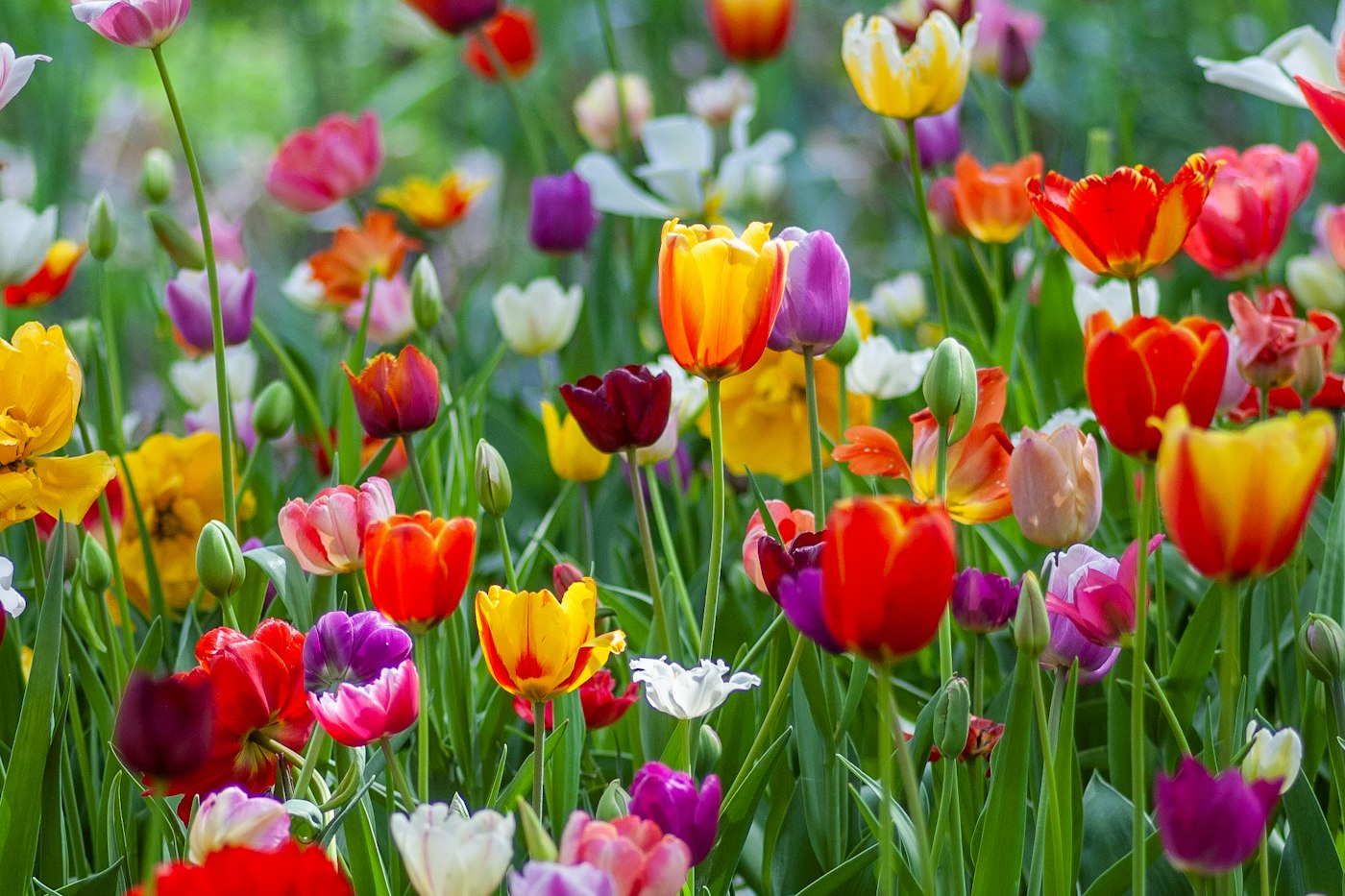
If you want tulips, daffodils, and crocuses brightening your yard next April, you have to plant them now. Spring-flowering bulbs need a long stretch of cold weather to trigger blooming, which is why fall is the only time to get them in the ground in most of North America.
Planting bulbs is one of the easiest garden projects there is: dig a hole, drop in a bulb, cover it up, and forget about it until spring. But getting the timing, depth, and spacing right makes a big difference in how many flowers you’ll see. Here’s how to do it, with timing broken down by USDA hardiness zone.
Key Takeaways
- Plant once nighttime temperatures stay in the 40s °F and soil is below 60°F, about six weeks before the ground freezes.
- Plant bulbs about three times as deep as they are tall, pointed end up.
- Gardeners in zones 8 to 10 need to pre-chill tulips and hyacinths in the refrigerator.
- Choose daffodils, alliums, and snowdrops if squirrels or deer are a problem.
When to Plant Spring Bulbs by Zone
The ideal moment is when soil temperature at planting depth has dropped below 60°F (about 15°C) but the ground is still workable. That gives bulbs several weeks to grow roots before winter. Use this as a general guide:
- Zones 3 to 4 (northern Plains, upper Midwest, much of Canada): Mid-September to early October.
- Zone 5 (Chicago, Denver, southern Ontario): Late September to late October.
- Zones 6 to 7 (Mid-Atlantic, Ohio Valley, Pacific Northwest): October through mid-November.
- Zone 8 (Southeast and coastal areas): November to early December.
- Zones 9 to 10 (Gulf Coast, Florida, Southern California, Arizona): Late December to early January, after pre-chilling.
Not sure of your zone? Look it up on the USDA Plant Hardiness Zone Map, or use Natural Resources Canada’s plant hardiness site. Garlic follows a similar schedule, so you can plant your garlic cloves the same weekend.
If you miss the window, plant anyway as long as you can still dig. Bulbs left in their bag over winter will dry out and die, while late-planted bulbs usually still bloom, just a little later.
How to Choose Good Bulbs
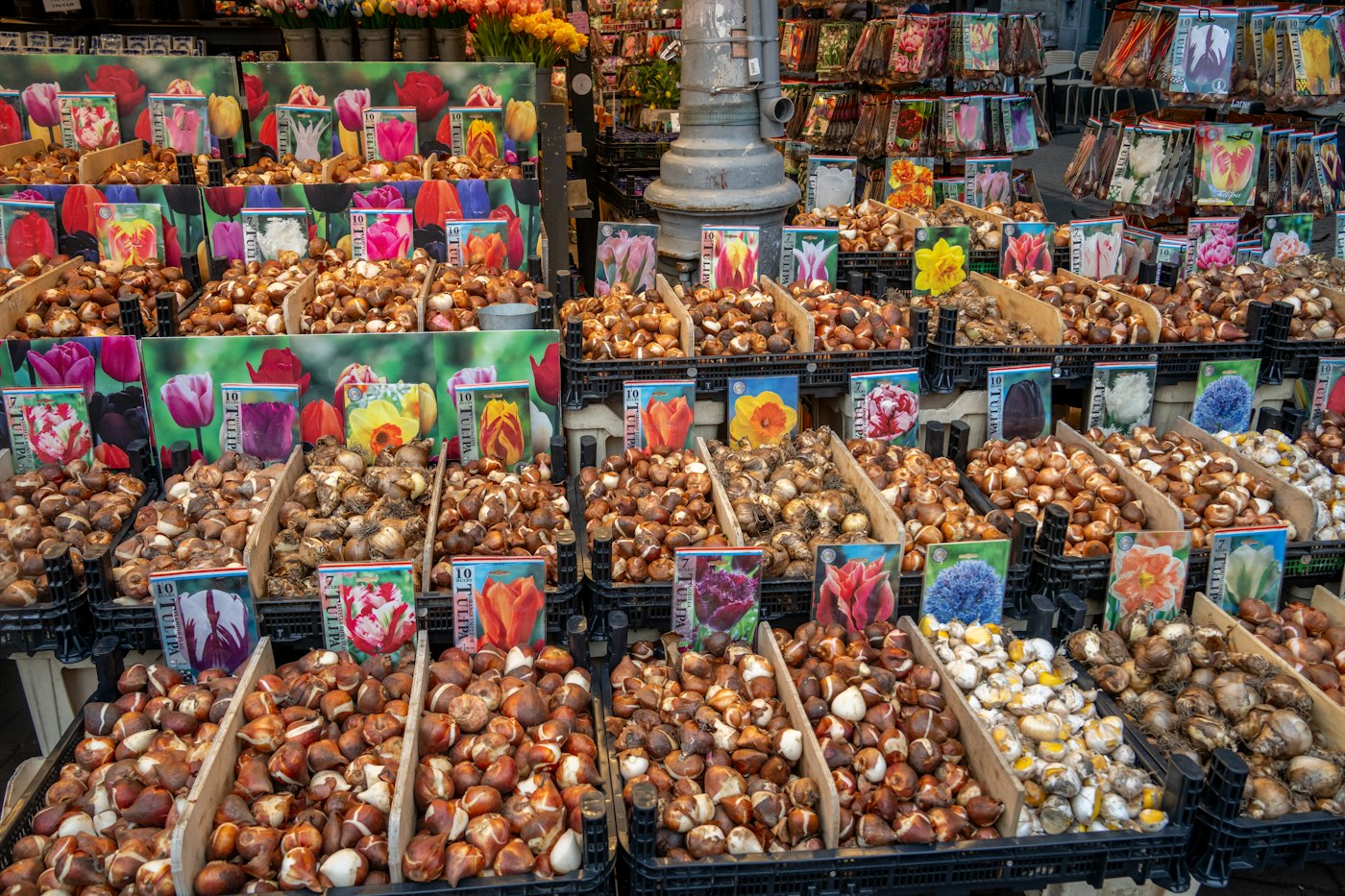
Bigger bulbs produce bigger, more numerous flowers. When shopping at a garden center, squeeze each bulb gently. It should feel firm, like a fresh onion, not soft or shriveled. A little loose papery skin is normal; mold, mushy spots, or a hollow feel are not. If you order online, plant bulbs as soon as they arrive, or store them in a cool, dry, ventilated place until planting day.
What You’ll Need
- Spring-flowering bulbs
- Trowel, bulb planter, or an auger bit for a cordless drill
- Compost (optional)
- Bone meal or bulb fertilizer (optional)
- Chicken wire or hardware cloth (if you have squirrels)
- Garden hose or watering can
How to Plant Bulbs Step by Step
1. Pick a Sunny, Well-Drained Spot
Most spring bulbs need at least six hours of sun while they’re actively growing. Because deciduous trees don’t leaf out until late spring, spots under trees often work fine. What bulbs can’t tolerate is soggy soil, which causes them to rot. Avoid low spots where water collects.
2. Dig to the Right Depth
The basic rule is to plant a bulb two to three times as deep as the bulb is tall, measured from the bottom of the bulb. In practice:
- Tulips and daffodils: 6 to 8 inches deep
- Hyacinths: 6 inches deep
- Large alliums: 6 to 8 inches deep
- Crocus, grape hyacinth, snowdrops, and scilla: 3 to 4 inches deep
In very cold zones and sandy soil, go slightly deeper. In heavy clay, go a little shallower.
3. Set the Bulbs Pointy Side Up
Place each bulb with its pointed tip facing up and the flat, root end facing down. If you can’t tell which end is which, plant it on its side; the stem will find its way up.
4. Plant in Groups, Not Rows
Bulbs look best in natural-looking drifts or clusters rather than single-file lines. Dig a wide hole and plant 7 to 15 bulbs of the same variety together. Space large bulbs about 3 to 6 inches apart and small bulbs 1 to 3 inches apart.
5. Backfill and Water
Cover the bulbs with soil, mixing in a little compost if your soil is poor. Water thoroughly to settle the soil and kick-start root growth. If fall is dry, water again every week or two until the ground freezes.
Try “Lasagna” Planting for Longer Blooms
If you’re planting containers or a small bed, layer bulbs for months of color. Put late bloomers like tulips and alliums on the bottom, mid-season daffodils in the middle, and early crocus or grape hyacinths on top. They’ll bloom in waves from March through May. Early bulbs also give bees a first meal, which makes them a smart addition to any pollinator garden plan.
How to Keep Squirrels and Deer Away
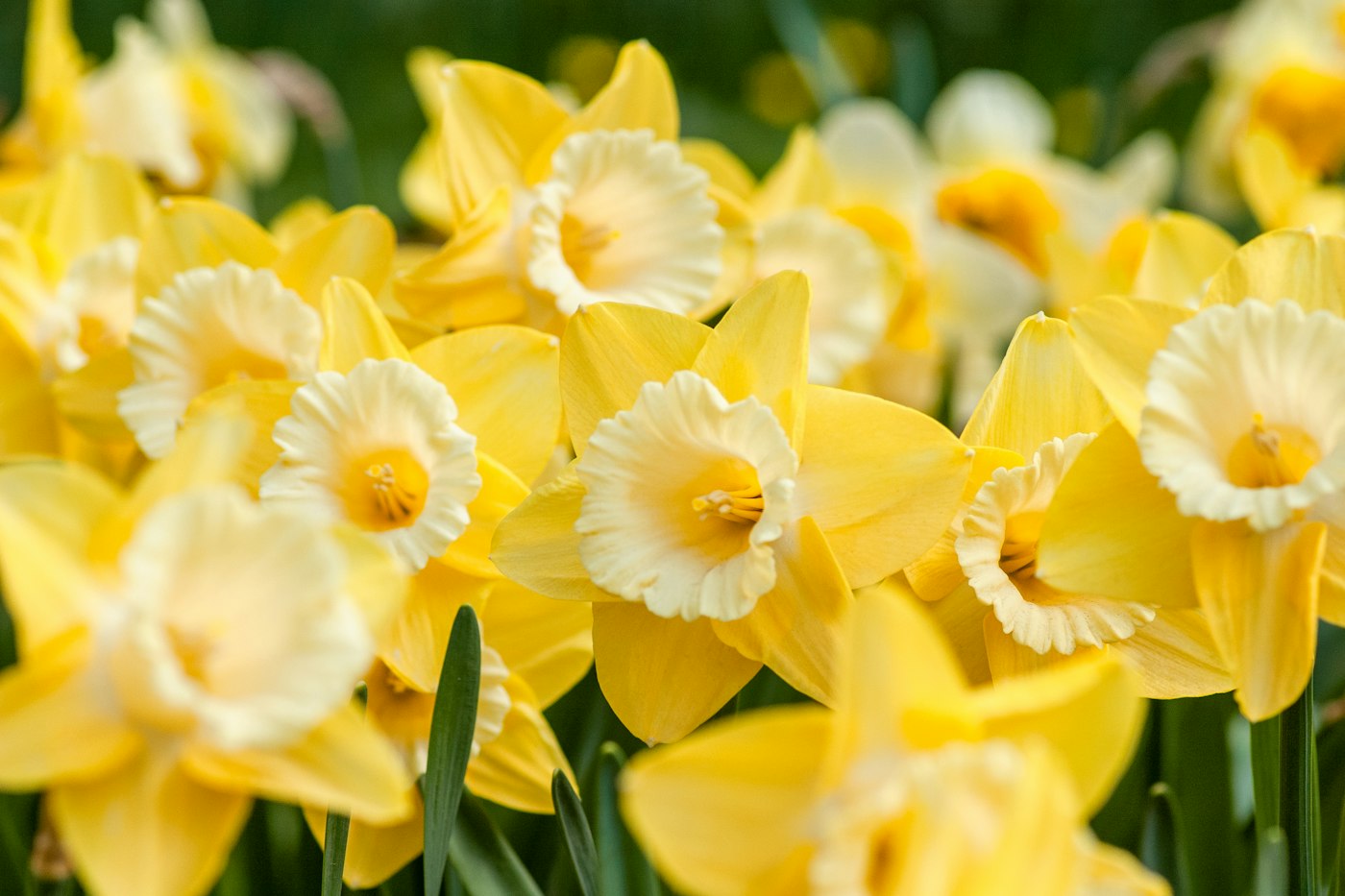
Squirrels and chipmunks love digging up freshly planted tulip and crocus bulbs. Clean up papery bulb skins after planting, since the scent attracts them. Lay chicken wire or hardware cloth over the planting area and cover it with soil or mulch; the shoots will grow right through the holes in spring. Deer love tulip foliage, so if deer are frequent visitors, lean on daffodils, alliums, snowdrops, fritillaria, and grape hyacinths, which they tend to avoid.
Growing Tulips in Warm Climates
In zones 8 to 10, winters aren’t cold enough to trigger tulips and hyacinths to bloom. Place the bulbs in a paper bag in the refrigerator for 12 to 16 weeks before planting in late December or January. Keep them away from apples and other fruit, which release ethylene gas that can damage the flower buds. Treat warm-climate tulips as annuals, since they rarely bloom well a second year.
FAQ
Should I fertilize bulbs at planting?
Bulbs already contain the energy they need for their first bloom. If you want them to come back year after year, scratch a balanced bulb fertilizer into the soil surface at planting and again when shoots appear in spring.
Can I plant bulbs in pots?
Yes, you can plant spring bulbs in containers, but potted bulbs are more exposed to cold. In zones 6 and colder, store pots in an unheated garage or shed over winter and bring them out in early spring. Our guide to overwintering potted plants covers the details.
What else should I do in the garden this fall?
Bulb planting pairs well with other seasonal tasks, like shredding leaves and dividing perennials. See our fall yard to-do list for the full rundown.
Why didn’t my tulips come back?
Many modern hybrid tulips bloom best only in their first year. For flowers that return, choose Darwin hybrid or species tulips, or plant perennializing bulbs like daffodils and crocus.