Food scraps and yard waste make up a big share of household trash. Instead of sending them to a landfill, you can turn them into dark, crumbly compost that feeds your garden for free. Learning how to start a compost pile takes about 15 minutes, and the basics are simpler than most guides make them sound.
What Compost Needs
Before you learn how to start a compost pile, it helps to know that every pile runs on four things:
- Greens: Nitrogen-rich materials like fruit and vegetable scraps, coffee grounds, and fresh grass clippings.
- Browns: Carbon-rich materials like dry leaves, straw, shredded paper, and cardboard.
- Water: The pile should feel like a wrung-out sponge.
- Air: The microbes that do the work need oxygen.
As a simple rule, use about two to three parts browns to one part greens by volume.
How to Start a Compost Pile in 5 Steps
1. Pick a Spot
Choose a level, well-drained spot in partial shade, close enough to the kitchen that you’ll actually use it. Also, keep it a few feet from fences and buildings.
2. Choose a Bin or Go Bin-Free
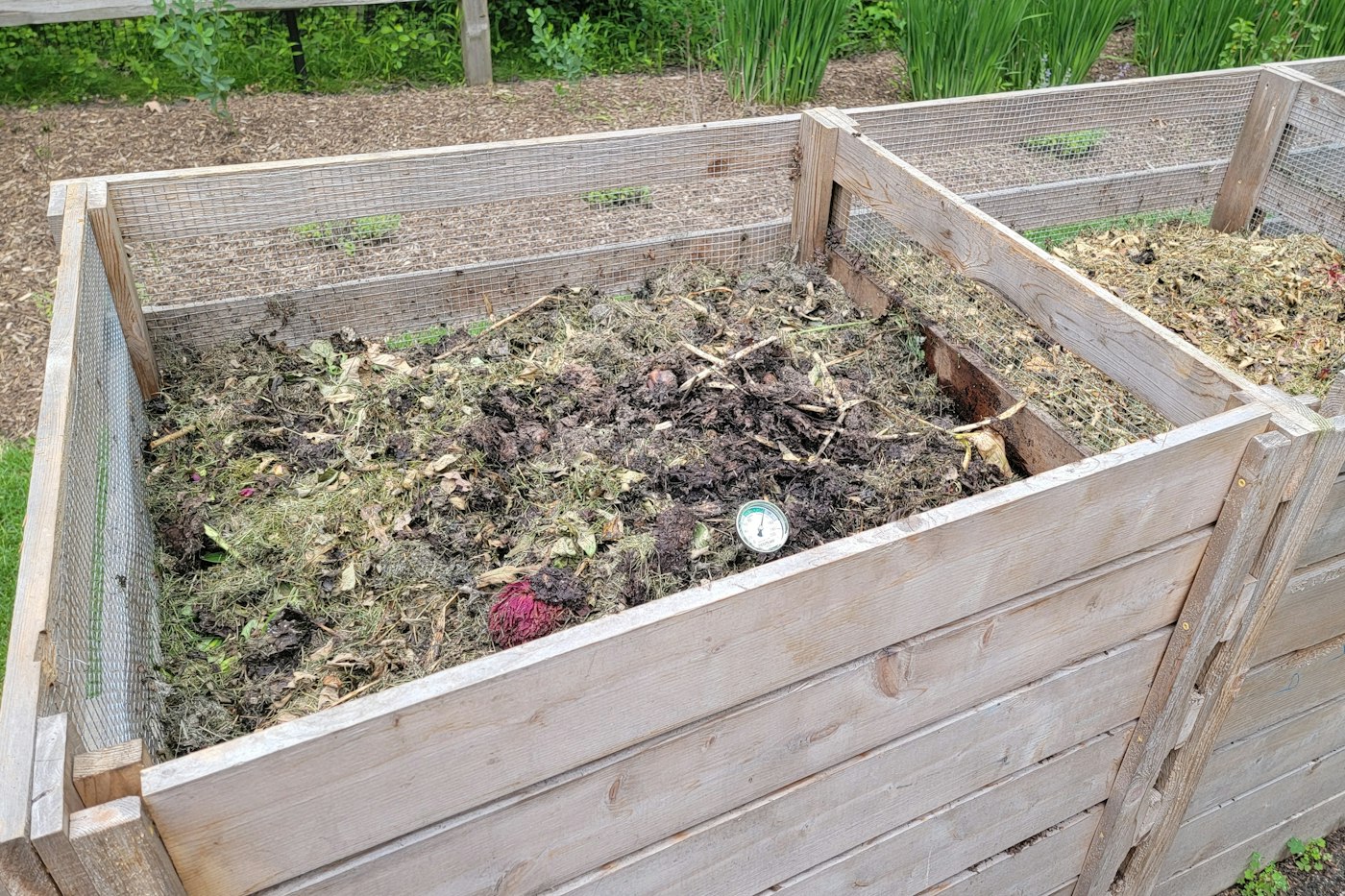
A free-standing pile works fine. Still, a bin keeps things tidy and discourages animals. Options include:
- A wire or pallet bin, about 3 by 3 feet
- Alternatively, a plastic enclosed bin, good for small yards
- Or a tumbler, which is easy to turn but holds less
3. Start With a Layer of Browns
First, put down about 6 inches of coarse browns, like twigs and dry leaves. This helps air flow at the bottom.
4. Add Greens and Browns in Layers
Next, add a layer of kitchen scraps, then cover it with browns. Covering food scraps keeps smells and fruit flies down. In fact, if flies are a problem indoors, our guide on how to get rid of fruit flies helps with the kitchen side.
5. Keep It Moist and Turn It
After that, water the pile when it feels dry. Then turn it with a garden fork every one to two weeks to add air. The more you turn it, the faster it breaks down.
What to Compost
- Fruit and vegetable scraps
- Coffee grounds and paper filters
- Also tea leaves
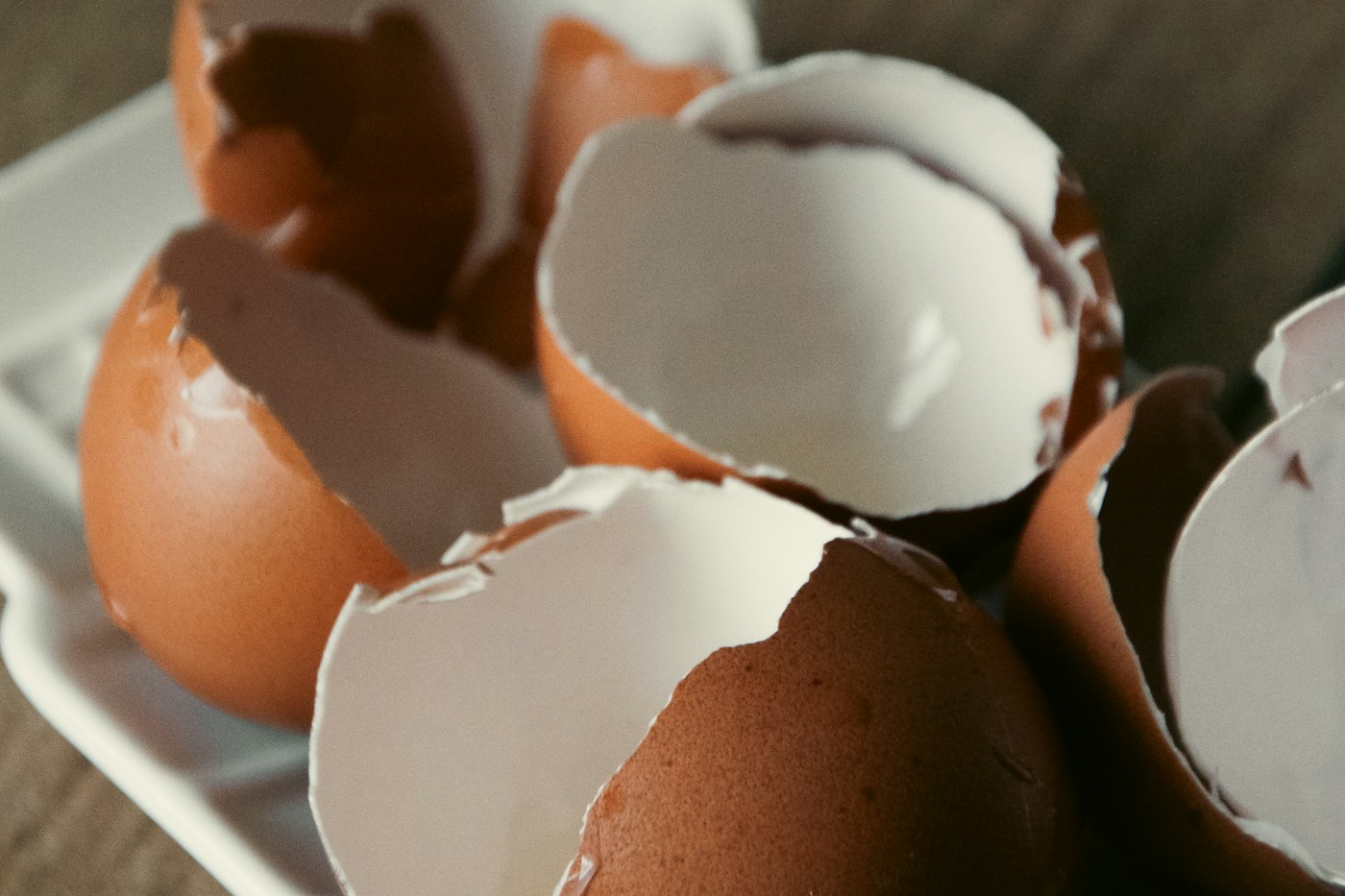
- Eggshells
- Fallen leaves and spent plants
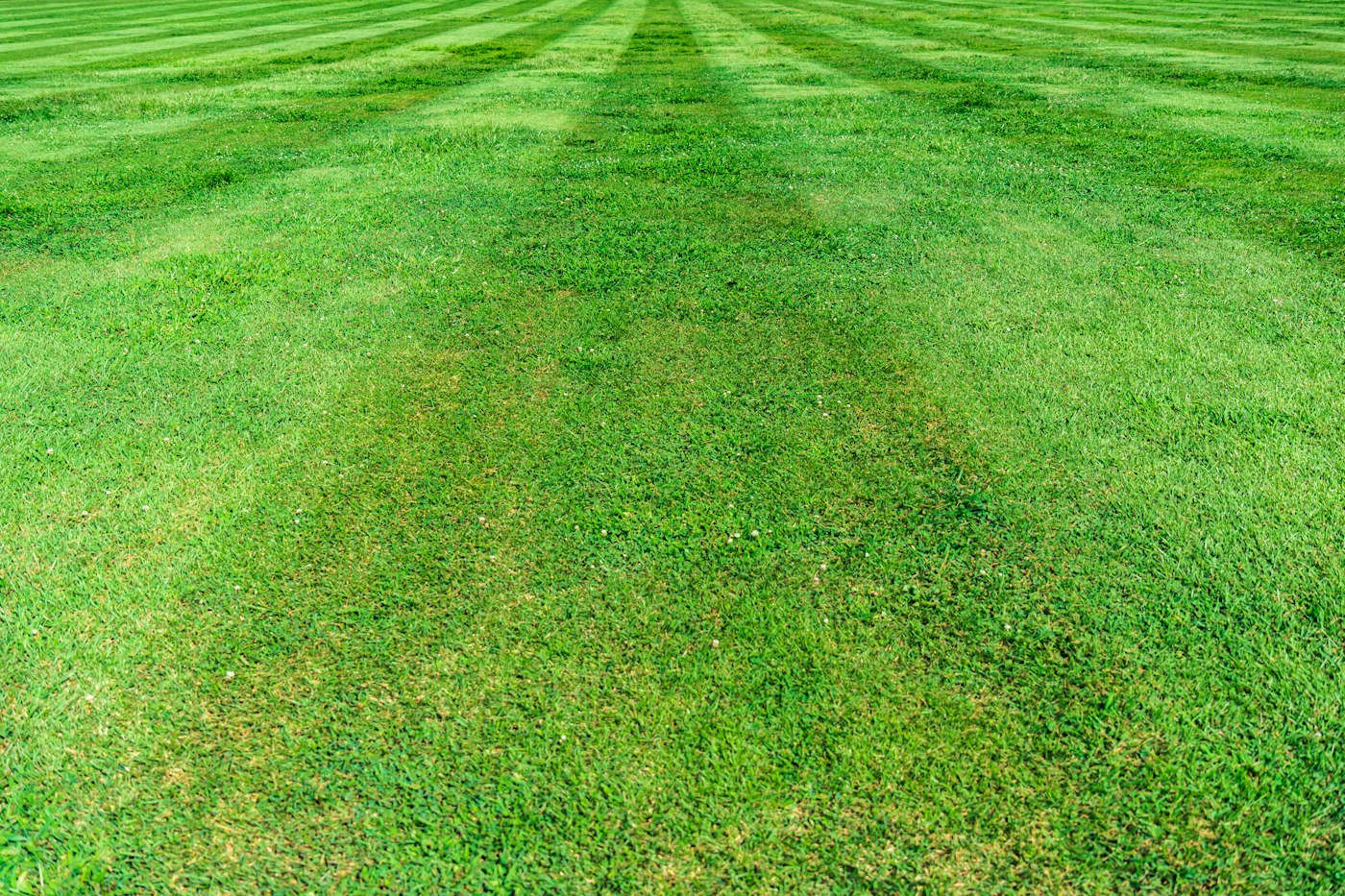
- Grass clippings (in thin layers)
- Plain cardboard and shredded paper
What Not to Compost
- Meat, fish, bones, and dairy (they attract animals)
- Oils and greasy food, since they slow decomposition
- Pet waste
- Diseased plants, because home piles may not kill pathogens
- Weeds that have gone to seed
- Yard waste treated with herbicides
Troubleshooting
- Smells bad: Too many greens or too wet. Therefore, add browns and turn the pile.
- Nothing is happening: Too dry or too many browns, so add water and greens.
- Attracting animals: In that case, bury food scraps in the center, and skip meat and dairy.
- Slow in winter: That’s normal, because activity picks up again in spring.
When Is Compost Ready?
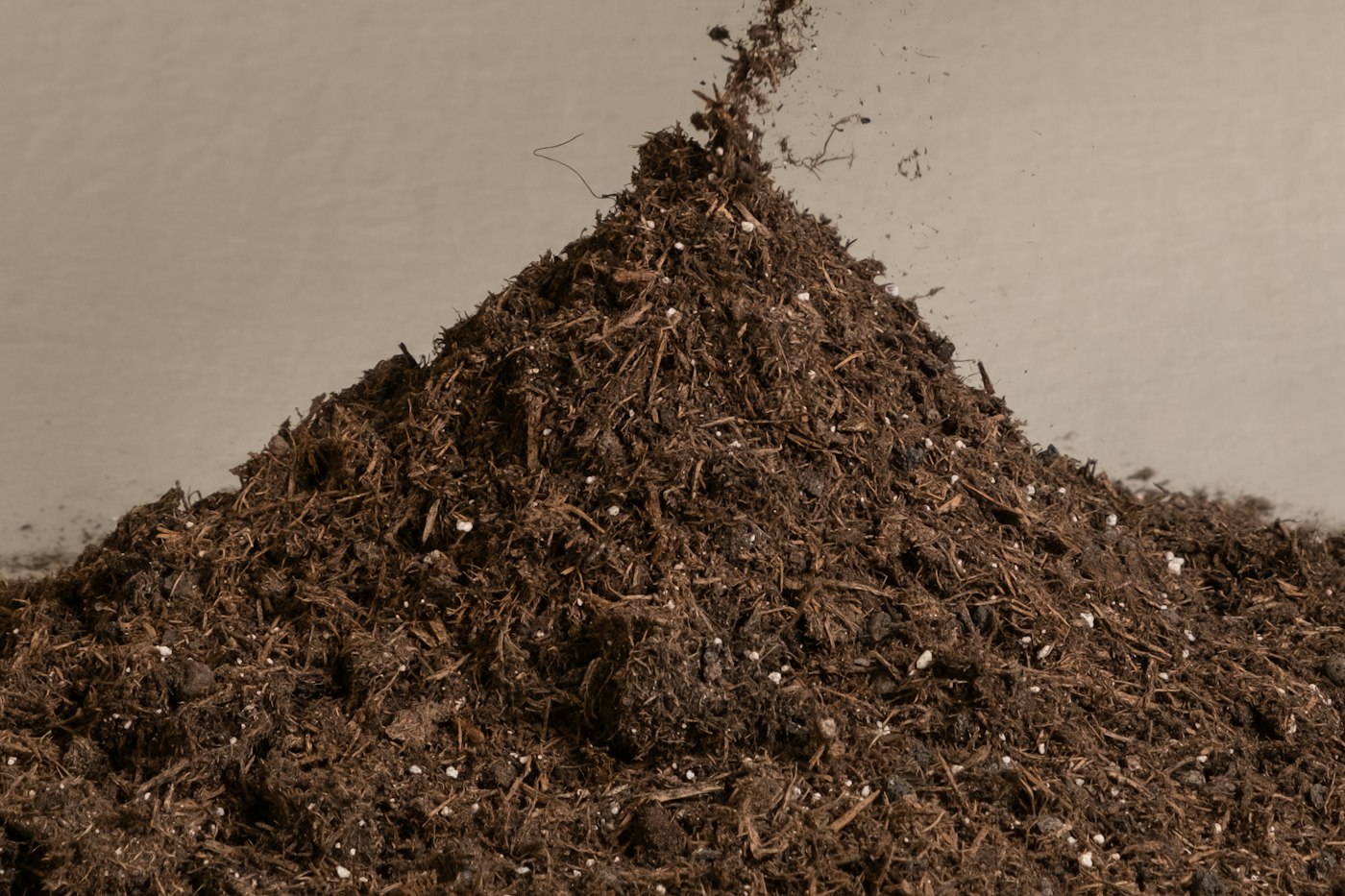
Once you start a compost pile, finished compost is the goal: dark, crumbly, and smells like a forest floor. You shouldn’t recognize the original materials. With regular turning, that takes two to six months. Without turning, it may take a year.
Then use it to top-dress beds, mix into potting soil, or refresh raised beds. Our guide on how to fill a raised garden bed explains how much to add each year.
Fall Is the Best Time to Start
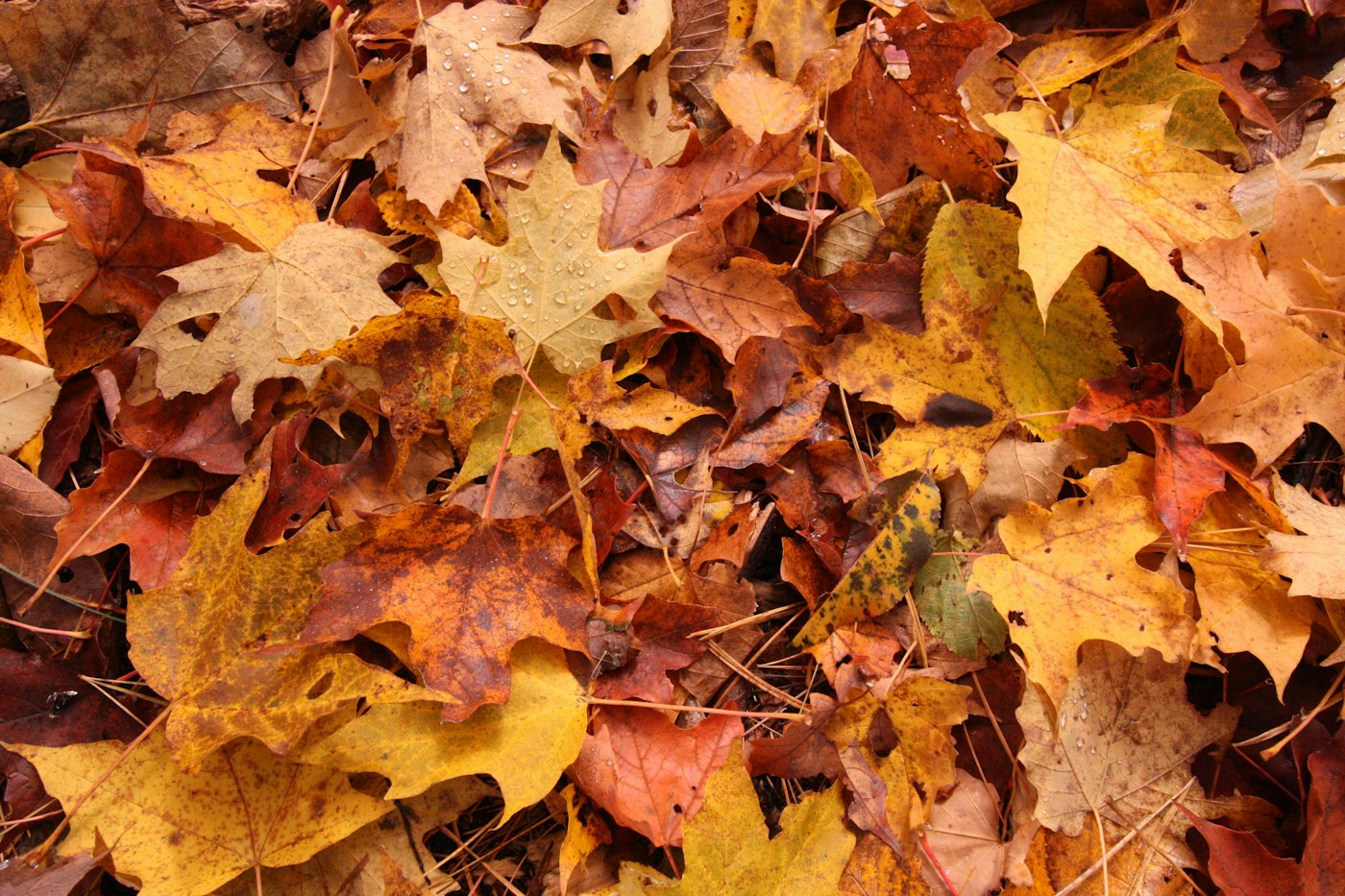
Autumn leaves are the perfect browns, and they’re free. Shred them with a mower and stockpile a few bags next to the bin for the rest of the year. Our fall garden chores guide has more ways to use them.
Composting in Warm Climates
In tropical regions of South America, compost breaks down much faster thanks to heat and humidity. However, it can also get soggy in rainy seasons. Cover the pile with a tarp or palm fronds during heavy rains, and add extra browns.
Learn More
The EPA’s composting at home guide covers more details, including indoor and worm composting.
FAQ
How long after I start a compost pile can I use it?
Usually two to six months with regular turning, or about a year if you leave it alone.
Do I need to add worms?
No. Instead, earthworms and other organisms move in on their own when the pile sits on soil.
Can I compost in an apartment?
Yes. For example, a worm bin or a small enclosed bokashi bucket works indoors.