Salvias are some of the hardest-working flowers in the garden. They bloom for months, attract hummingbirds and bees, and shrug off heat. Still, without some trimming, many types get floppy and stop flowering by midsummer. Good salvia pruning keeps them compact and blooming until frost.
The catch is that “salvia” covers hundreds of plants, and they don’t all want the same cut. Here’s how to handle each main group.
Know Which Salvia You Have
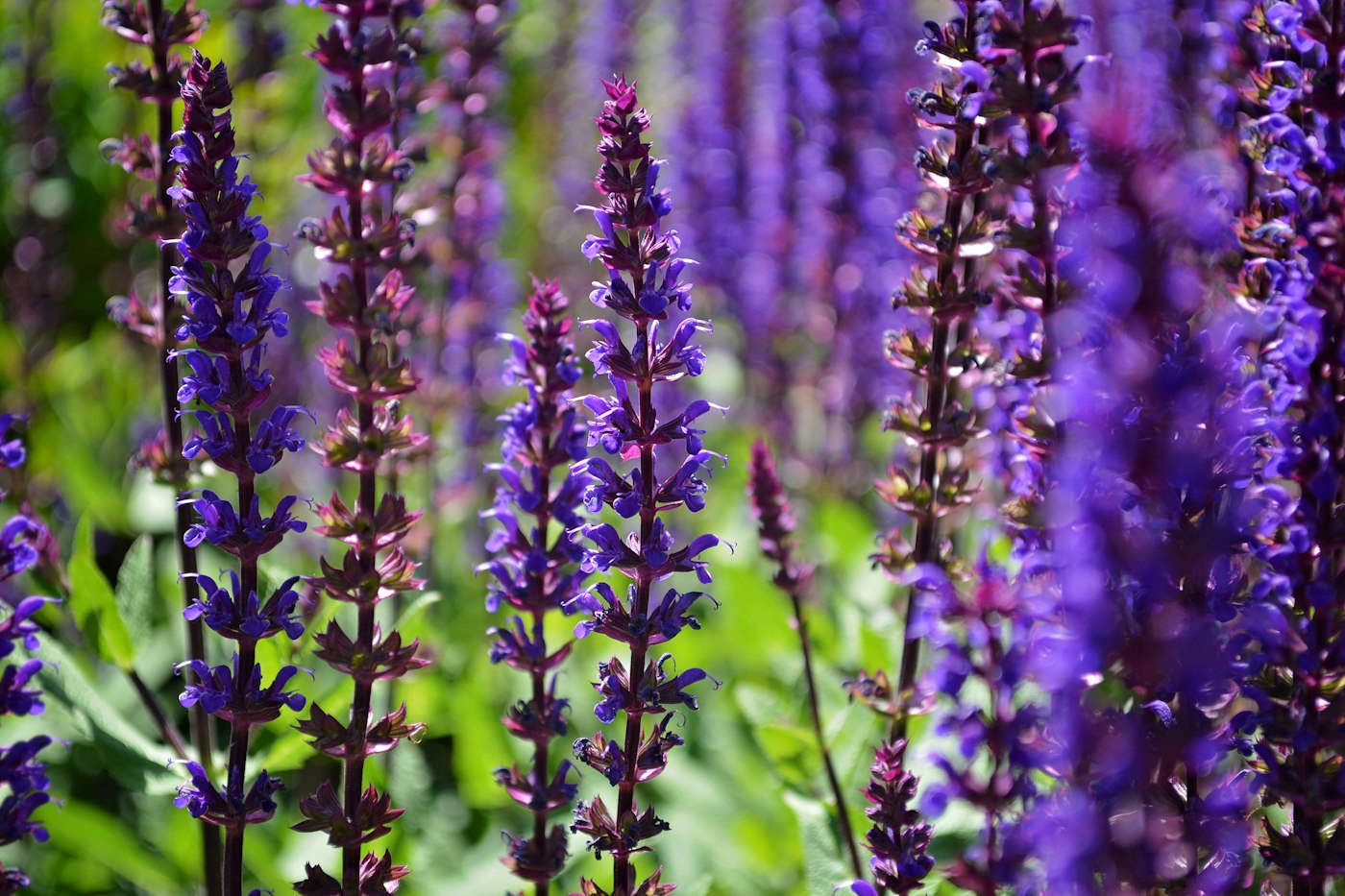
- Herbaceous perennial salvias: Salvia nemorosa, S. × sylvestris, and similar types like ‘May Night’ and ‘Caradonna’. They die back to the ground each winter.
- Woody or shrubby salvias: Autumn sage (Salvia greggii), S. microphylla, and Mexican bush sage. They form woody stems.
- Tender and annual salvias: Scarlet sage, ‘Black and Blue’, and mealycup sage, often grown as annuals in cold zones.
Salvia Pruning for Herbaceous Perennials
Deadhead After the First Flush
When most flower spikes have faded in early summer, shear the whole plant back by about one-third to one-half, just above a set of healthy leaves. This sounds drastic. However, within two to three weeks you’ll see fresh foliage and a second round of blooms.
Keep Cutting Through Summer
Next, repeat a lighter trim after each flush. Many gardeners get three rounds of flowers this way.
Cut Back in Fall or Spring
After frost, you can cut stems to a few inches tall. Alternatively, leave them standing for winter interest and cut them in early spring. Either way works. Leaving stems also fits the wildlife-friendly approach in our fall garden chores guide.

Pruning Woody Salvias
Woody types need a different approach to salvia pruning. Never cut them to the ground, since they may not resprout from old wood.
- Late winter or early spring: Once new growth appears at the base, cut the plant back by about one-third. Then remove dead or crossing stems.
- Summer: Lightly shear spent flower spikes to encourage more blooms.
- Fall: Avoid heavy pruning, especially in colder zones. Leaving the stems protects the crown over winter.
Mexican bush sage is an exception. In mild areas, it can be cut nearly to the ground in late winter, because it regrows vigorously.
Pruning Tender and Annual Salvias
For annual types, simply pinch off spent flower spikes to keep new ones coming. In addition, pinching the tips of young plants in late spring makes them bushier. In frost-free climates, where these salvias live for years, prune them back by half in late winter.
Tools and Technique
- Use sharp hand shears for shearing many stems at once.
- For woody types, use bypass pruners and cut just above a leaf pair or bud.
- Clean blades between plants if you see any leaf disease.

Common Salvia Pruning Mistakes
- Cutting woody salvias to the ground in fall: This can kill the plant.
- Never deadheading: As a result, plants set seed and quit flowering early.
- Pruning too late in the season: Tender regrowth then gets hit by frost.
Pair Salvias With Other Pollinator Plants
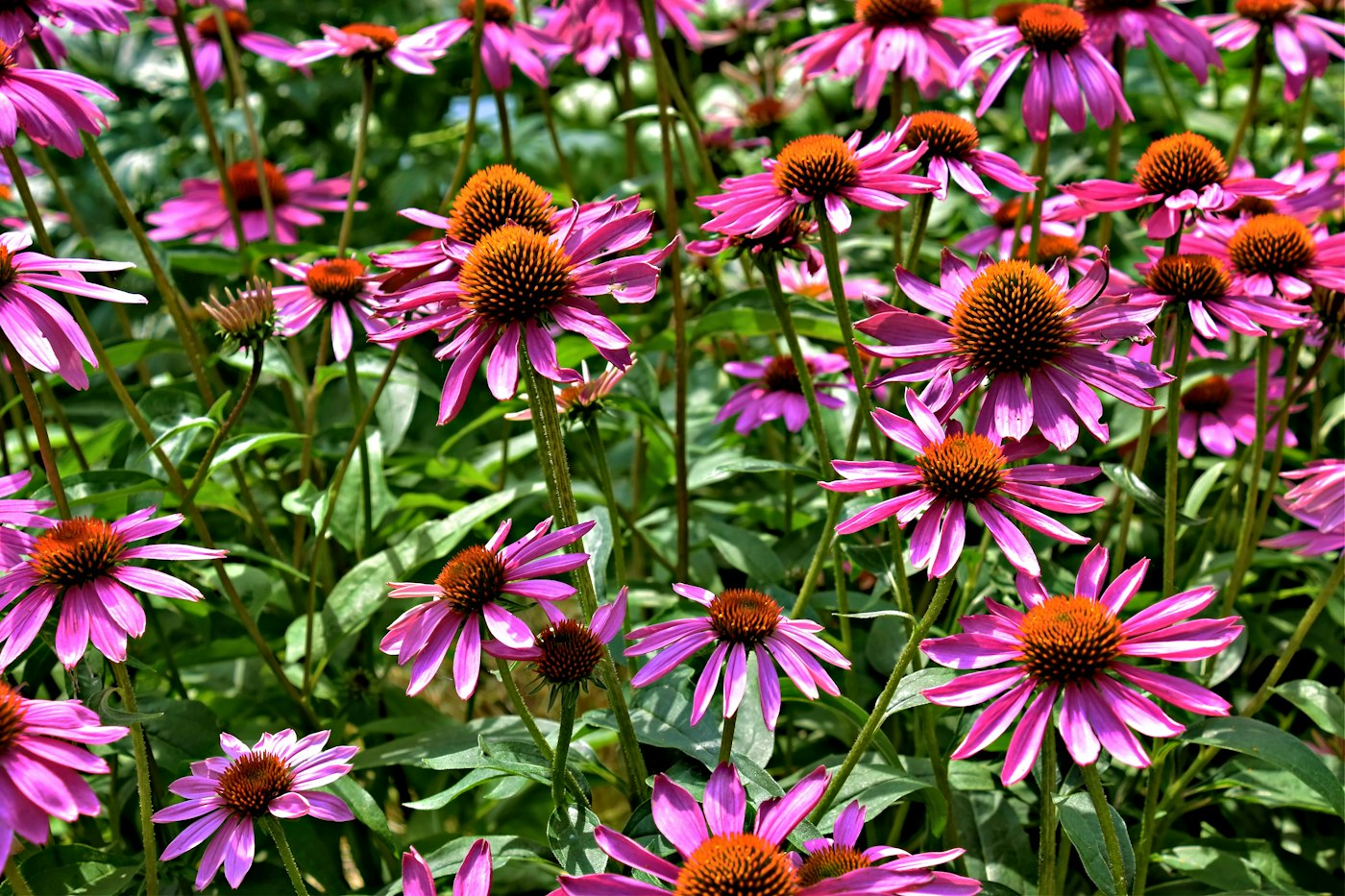
Salvias look wonderful next to coneflowers and ornamental grasses. Our coneflower care guide covers a perfect partner, and our pollinator garden plan shows how to combine them for season-long bloom.
Salvias in South America
Many salvias are native to Mexico and Central and South America, so they thrive in warm parts of the continent. In southern Brazil and Argentina, prune woody types in late winter, around August, and deadhead through the long growing season.
Learn More
For details on specific species, see the North Carolina Extension Gardener’s profiles of Salvia nemorosa and autumn sage.
FAQ
Should I cut salvia back after flowering?
Yes. For perennial types, salvia pruning right after the first flush brings a second bloom.
Can I prune salvia in the fall?
Herbaceous types, yes. Woody types, however, should wait until spring.
Why is my salvia woody and bare at the bottom?
It needs regular spring pruning. Cut it back by a third each year to keep it full.