Kale is one of the toughest crops in the vegetable garden. It shrugs off frost, keeps producing for months, and actually tastes better after a cold snap. If you’ve wondered how to grow kale, the short answer is: give it cool weather, rich soil, and steady water. Here’s everything else you need to know.
Why Grow Kale?
Kale is a cool-season member of the cabbage family. It grows fast, handles light shade, and doesn’t need much space. Also, you can pick a few leaves at a time for weeks instead of harvesting the whole plant at once.
Best of all, frost turns some of the starches in the leaves into sugar. As a result, fall and winter kale is noticeably sweeter than summer kale.
Popular Kale Varieties
- Lacinato (Tuscan or dinosaur kale): Long, dark, bumpy leaves with a mild flavor.
- Winterbor: A frilly, very cold-hardy type for northern gardens.
- Red Russian: Flat, tender leaves with purple stems.
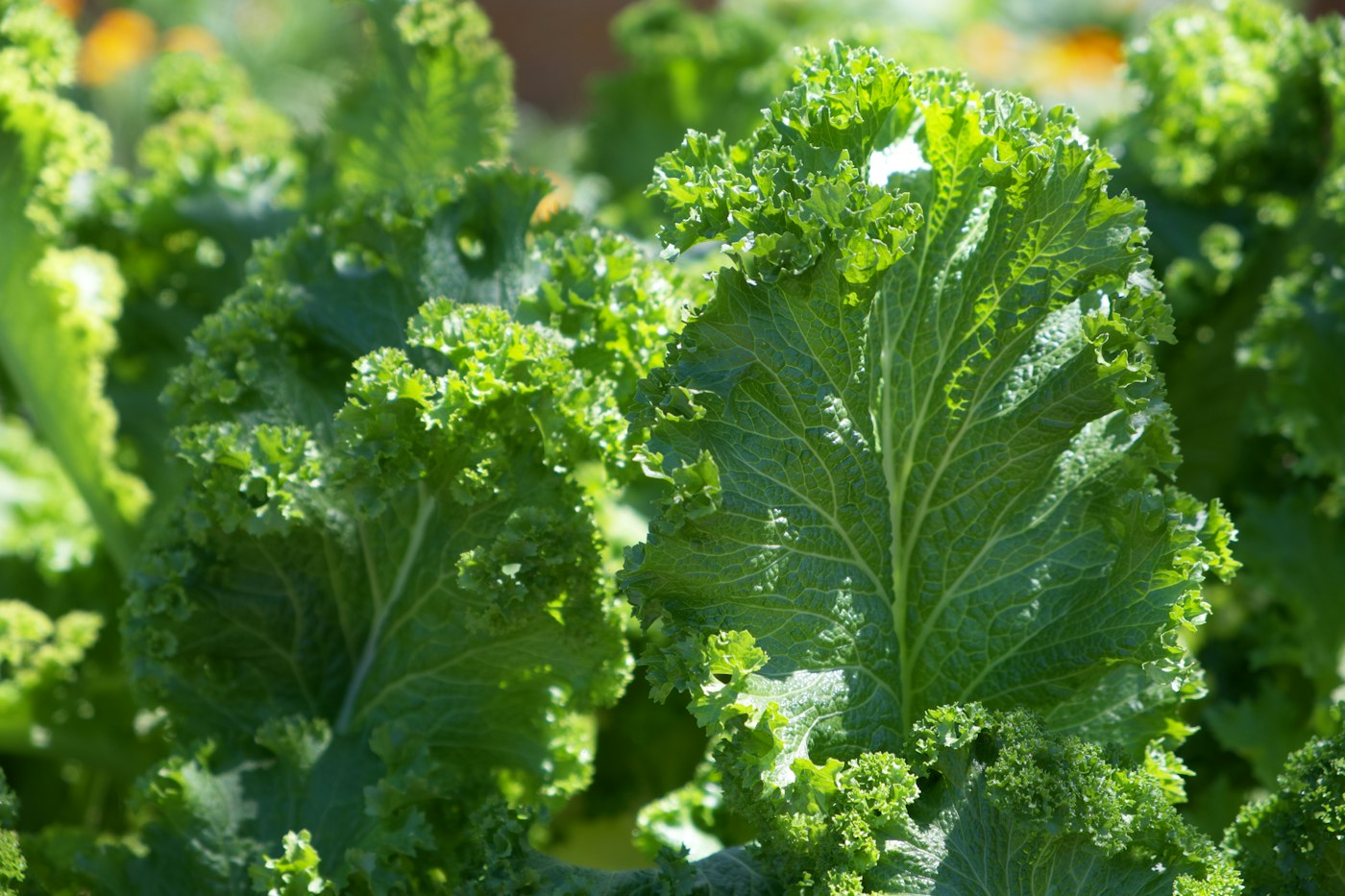
- Dwarf Blue Curled Vates: A compact, classic curly kale that fits small beds.
When to Plant Kale
Kale grows best when temperatures stay between about 40°F and 75°F. So timing matters more than anything else.
- Spring crop: Set out transplants two to four weeks before your last frost date.
- Fall crop: Plant transplants six to eight weeks before your first fall frost. In most northern zones, that means mid- to late summer.
- Winter crop: In zones 8 to 10, including much of the South and coastal California, kale grows right through winter.
If you missed the window this year, don’t worry. Southern gardeners can still plant now, and northern gardeners can mark their calendars for next August.
How to Grow Kale Step by Step
Choose a Sunny Spot
Kale likes at least six hours of sun. However, in hot climates, a little afternoon shade helps keep leaves tender.
Prepare the Soil
Mix 2 to 3 inches of compost into loose, well-drained soil. Kale is a leafy crop, so it needs plenty of nitrogen. A soil pH between 6.0 and 7.5 is ideal.
Plant at the Right Spacing
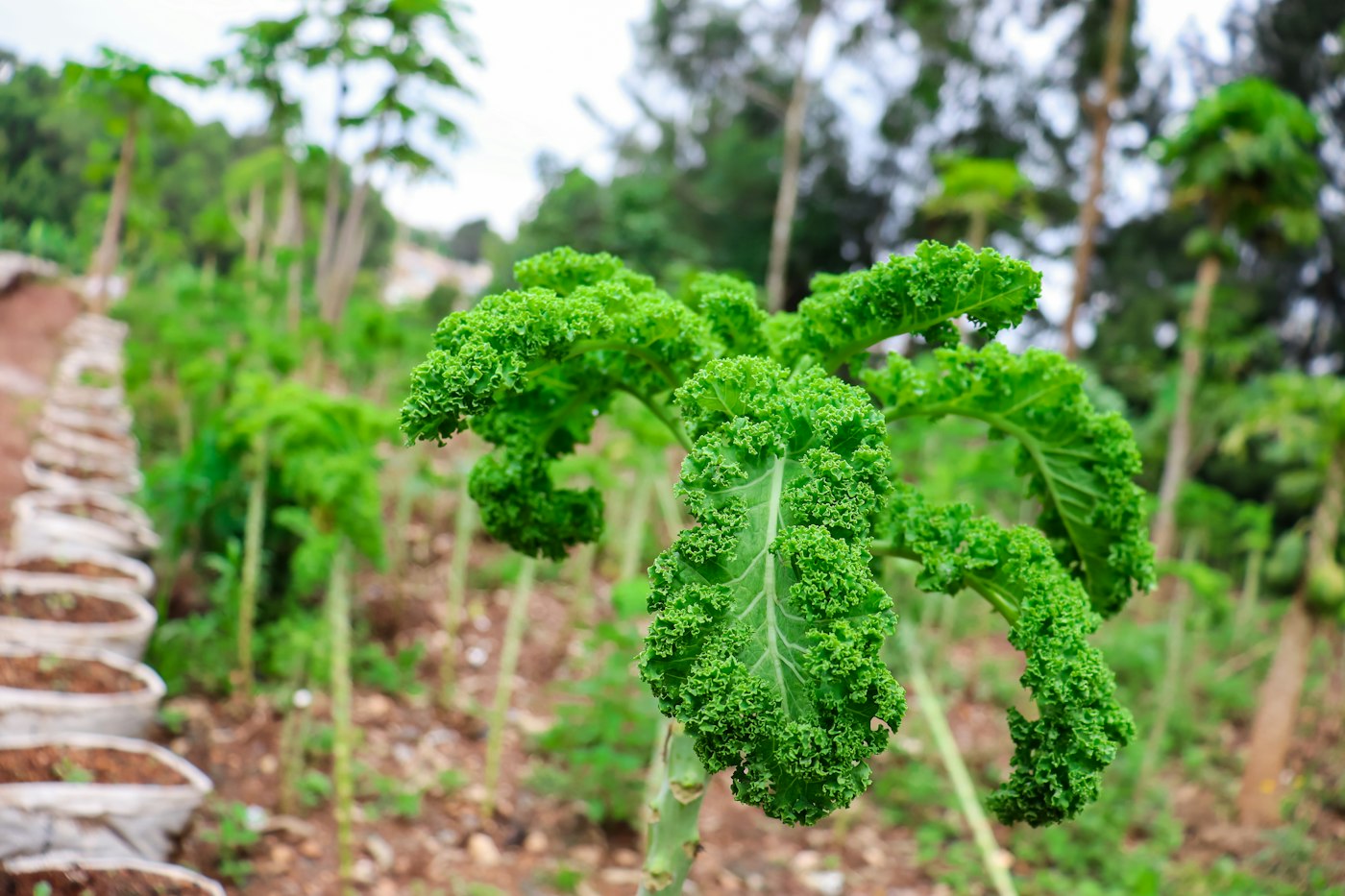
Space plants 12 to 18 inches apart. Larger types like Lacinato appreciate the extra room. Then set transplants at the same depth they grew in their pots, and water them in well.
Water and Feed
Give kale about 1 to 1.5 inches of water a week. Meanwhile, a layer of straw or shredded leaves keeps the soil cool and moist. If growth slows or lower leaves turn pale, side-dress with compost or a balanced organic fertilizer.
Common Kale Pests
- Cabbage worms: These green caterpillars chew holes in leaves. Floating row cover keeps the white moths from laying eggs.
- Aphids: Look for clusters under leaves. A strong spray of water knocks them off.
- Flea beetles: They leave tiny pinholes, mostly on young plants. Row cover helps here, too.
- Harlequin bugs: In the South, these orange-and-black bugs can be a problem. Hand-pick them early.
Fortunately, pests slow down once the weather cools in fall.
How to Harvest Kale
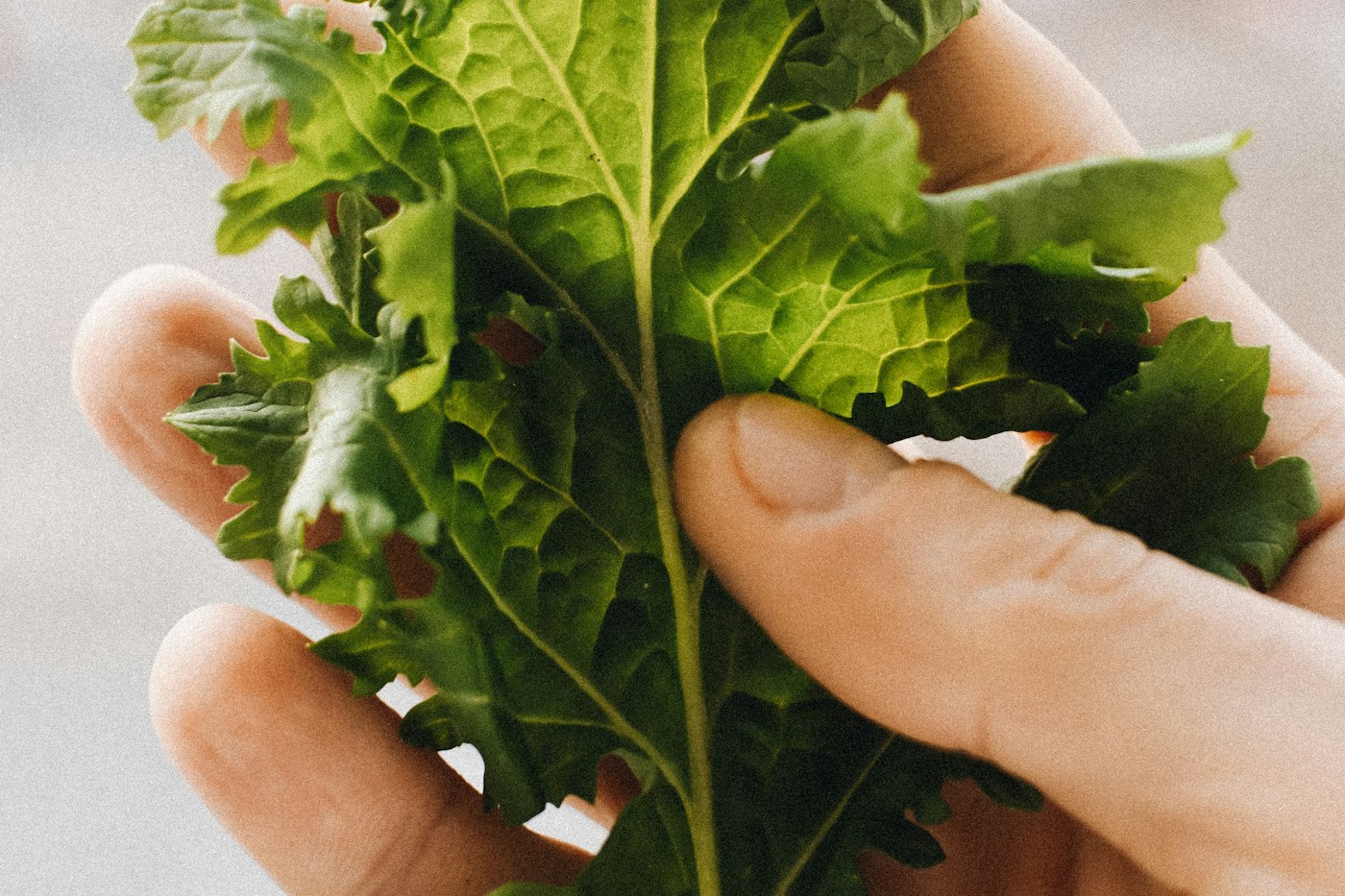
Start picking when leaves are about the size of your hand. Always take the lower, outer leaves first, and leave the center bud alone. That way, the plant keeps growing new leaves from the top.
A healthy plant can produce for months. In fact, many northern gardeners pick kale from under the snow in December.
How Cold Can Kale Handle?
Mature kale usually survives temperatures down to around 20°F, and hardy types can take colder snaps. If you want to keep harvesting into deep winter, cover plants with row cover or a cold frame. Then remove the cover on mild days.
You can find more about the species on NC State’s Brassica oleracea plant profile, which covers kale’s close relatives, too.
Where Kale Fits in Your Garden
Kale is a great choice for small spaces. Tuck a few plants into our small backyard vegetable garden plan, or use one square of a raised bed garden layout. After summer crops finish, kale fills empty spots nicely. While you’re at it, this is also the season to plant garlic in fall.
FAQ
How long does kale take to grow?
Most varieties are ready in 55 to 75 days from transplant. Baby leaves, on the other hand, are ready in about a month.
Does kale come back every year?
Kale is a biennial. It often survives one winter, then flowers and sets seed the next spring.
Is learning how to grow kale in containers worth it?
Yes. Once you know how to grow kale, a 12-inch pot holds one plant easily. Just water more often than you would in the ground.