
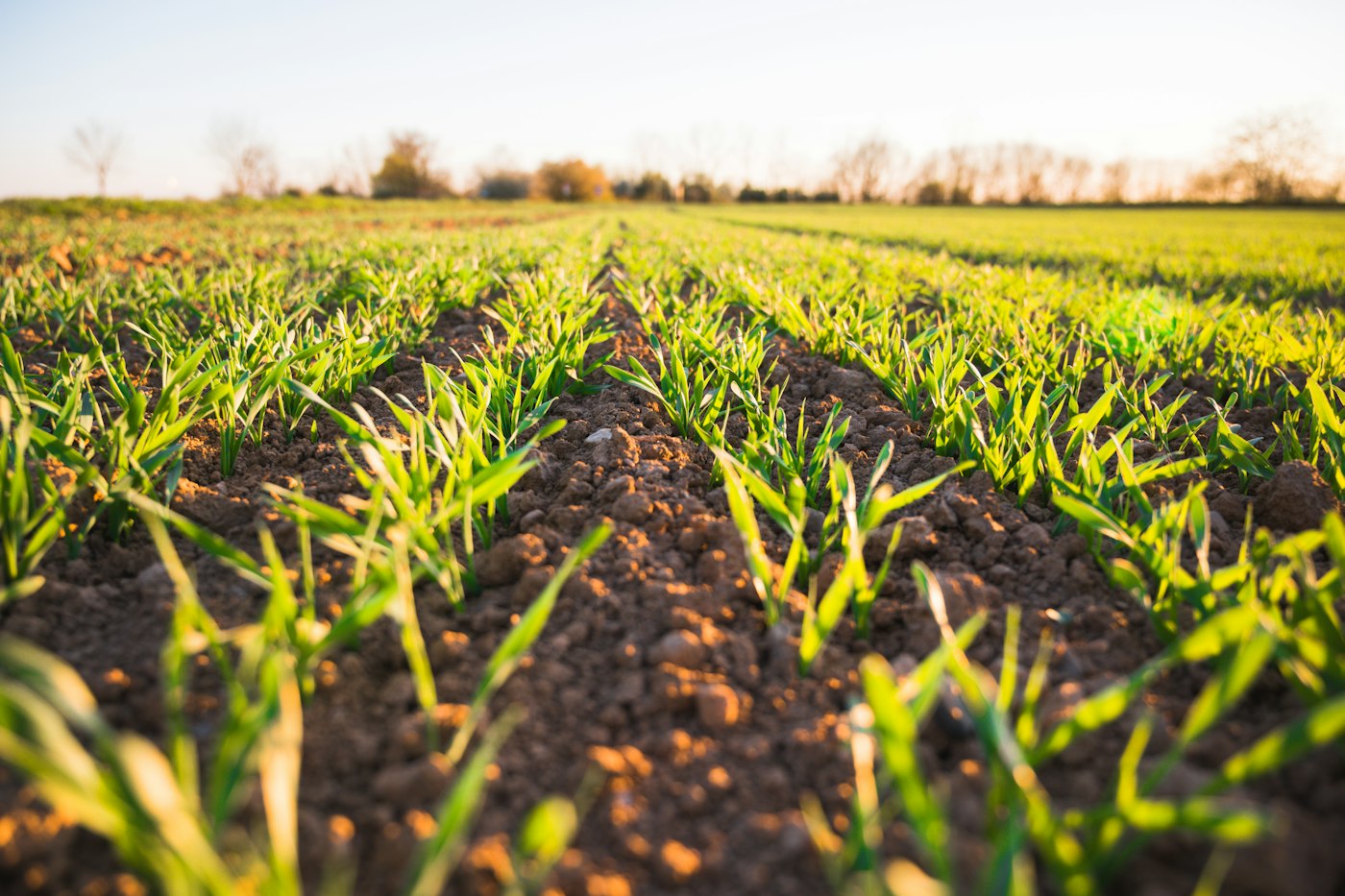
Farmers have planted cover crops for centuries, and the idea works just as well in a backyard. Instead of leaving vegetable beds bare all winter, you sow a quick crop that holds the soil in place, feeds it, and keeps weeds down. This guide to cover crops for home gardens explains which ones to plant, when to sow them, and how to deal with them in spring.
Why Plant a Cover Crop?
- Stops erosion: Roots hold soil during winter rain and snowmelt.
- Adds organic matter: When you turn the plants under, they feed soil life.
- Adds nitrogen: Legumes like clover pull nitrogen from the air and store it in their roots.
- Smothers weeds: A thick stand leaves little room for winter weeds.
- Loosens soil: Deep roots break up compacted ground.
The Best Cover Crops for Home Gardens
Cereal Rye (Winter Rye)
Cereal rye is the toughest choice and the best option for late planting. It sprouts in cool soil, survives hard winters, and grows quickly in early spring. As a result, many northern gardeners can still sow it in October. See NC State’s cereal rye profile for details. Just don’t confuse it with ryegrass, which is a different plant.
Crimson Clover
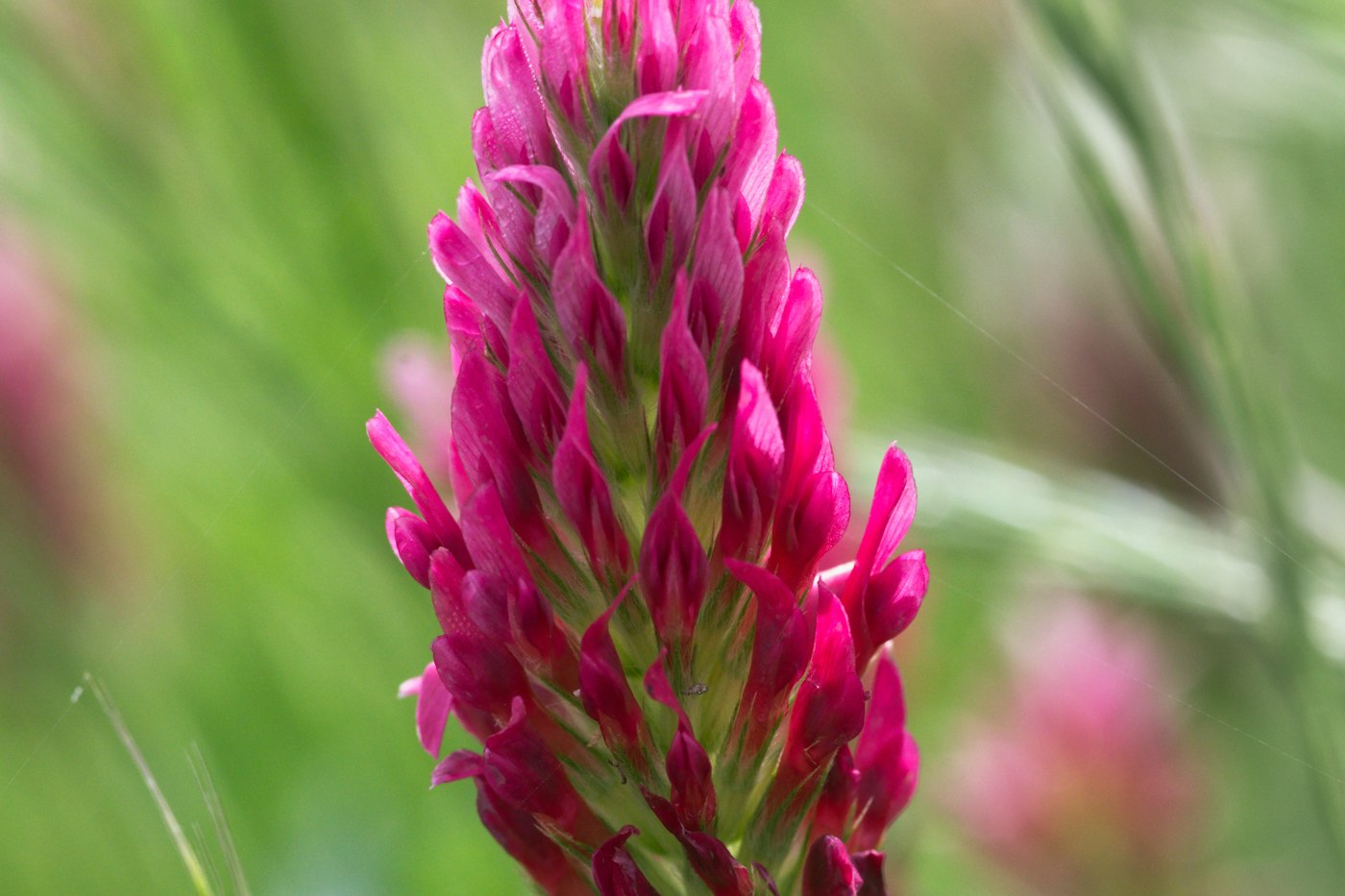
This legume adds nitrogen and puts on a gorgeous show of red flowers in spring. Bees love it, too. However, it needs to go in about six to eight weeks before your first frost, and it may not survive winters colder than about zone 6.
Hairy Vetch
Another nitrogen-fixer, hairy vetch is much more cold-hardy than clover. Many gardeners mix it with cereal rye, so the rye gives the vetch something to climb.
Oats
Oats grow fast in late summer and early fall, then die in hard freezes in colder zones. That leaves a soft, easy mulch in spring, so you don’t need to turn anything under.
Daikon Radish
Also called tillage radish, it drills thick roots deep into compacted soil. The roots rot over winter and leave channels for water and air.
When to Plant
Sow cover crops as soon as summer vegetables come out. In the North, that’s usually late August through September for clover, oats, and radish. Rye can go in later, often into October or even early November. In the South, you have more time, and most winter covers grow right through the season.
If you’re planting in mid-October, cereal rye is your safest bet.
How to Sow Cover Crops for Home Gardens
- Pull spent plants and rake the bed smooth.
- Scatter seed evenly by hand. For cereal rye, a common rate is about 2 to 3 pounds per 1,000 square feet. However, check the bag for other crops.
- Rake lightly to cover the seed with about 1/2 inch of soil.
- Water well, and keep the bed moist until seedlings appear.
For clover and vetch, coat the seed with a legume inoculant first. This helpful bacteria lets the plants fix nitrogen.
What to Do in Spring
This step matters most. Cut down cover crops before they set seed, ideally when they start flowering. Otherwise, they can turn into weeds themselves.
- Turn it under: Mow or chop the plants, then dig them into the top few inches of soil.
- Leave it as mulch: Alternatively, cut the plants at the base and leave them on top. Then plant transplants right through the mulch.
Either way, wait two to three weeks before planting. Rye in particular releases compounds that slow small seeds, such as carrots and lettuce. Transplants like tomatoes, however, handle it fine.
Using Cover Crops in Small Beds
You don’t need a big garden. In fact, cover crops for home gardens work well in raised beds, too. Plant a whole bed, or just the sections you’ve already cleared. For bed planning ideas, see our raised bed garden layout guide and our small backyard vegetable garden plan. Cover crops also pair nicely with the other tasks on our fall garden chores list.
FAQ
Is it too late to plant a cover crop?
For most cover crops for home gardens, yes, once the soil is cold. But cereal rye often still works until a few weeks before the ground freezes.
Can I use grass seed as a cover crop?
It’s not a good idea. Lawn grasses spread and become hard to remove from beds.
Do I need special equipment?
No. A rake, a pair of hand shears or a string trimmer, and a garden fork are enough for small beds.