
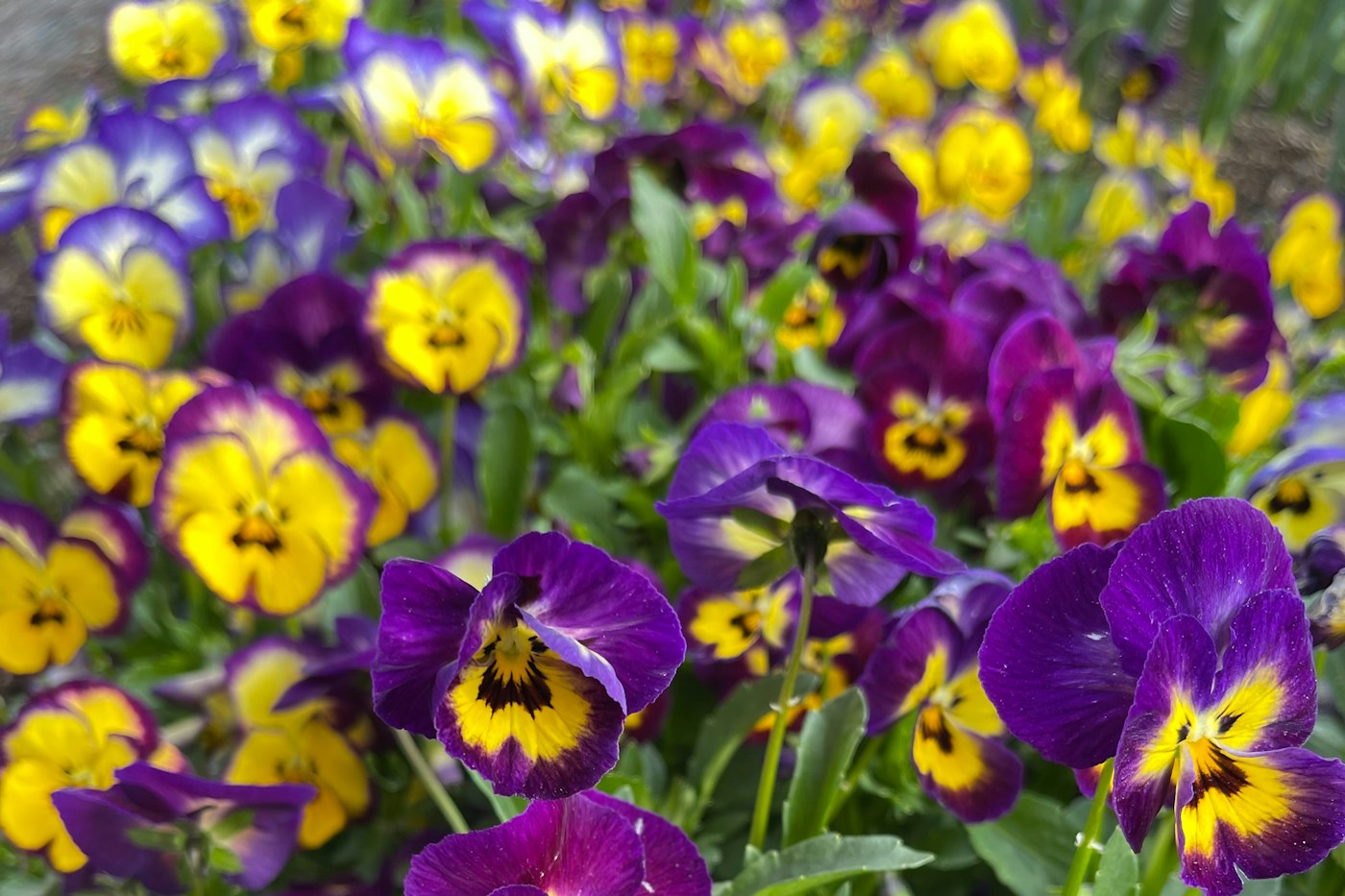
Pansies are the rare flower that looks its best when everything else is fading. They bloom in cool weather, laugh off light frost, and in many areas keep flowering from fall to spring. Good pansy care is simple once you know what these cheerful plants want: cool temperatures, steady moisture, and plenty of sun. Here’s how to grow them well.
Pansies at a Glance
- Light: Full sun to part shade
- Soil: Rich, well-drained, slightly acidic
- Height: About 4 to 9 inches
- Best season: Fall, winter, and spring, depending on your zone
Pansies are short-lived perennials, usually grown as cool-season annuals. NC State has a full pansy plant profile with more details.
When to Plant Pansies
Timing depends on where you live.
- Zones 7 to 9 (much of the South and Pacific Coast): Plant in early to mid-fall. Then pansies bloom through winter and into spring.
- Zones 5 and 6: Plant in early fall so roots settle in before hard freezes. With mulch, many plants survive winter and bloom again in early spring.
- Zones 3 and 4: Enjoy them in fall, then plant again in early spring, as soon as the soil can be worked.
In general, plant when soil temperatures drop below about 70°F. If soil is too warm, plants stretch and flower poorly.
Pansy Care Basics
Light
Give pansies at least six hours of sun for the most flowers. However, in warm climates, a spot with afternoon shade helps them last longer into spring.
Soil and Planting
Work compost into the bed before planting. Pansies like slightly acidic soil that drains well, because soggy roots rot. Space plants 6 to 10 inches apart, and set them at the same depth they grew in the pack.
Watering
Keep the soil evenly moist but not wet. In fall, that might mean watering twice a week. In winter, on the other hand, pansies need far less. Also, water before a hard freeze, since moist soil holds heat better than dry soil.
Feeding
Pansies are fairly heavy feeders. Mix a slow-release fertilizer into the bed at planting time. Then, in cold soils, choose a fertilizer with nitrate nitrogen, because plants absorb it more easily than other forms when the soil is cool.
Deadheading
Pinch off faded flowers, along with the small stem behind them. As a result, the plant puts energy into new blooms instead of seeds. This one step makes the biggest difference in pansy care.
Helping Pansies Through Winter
Established pansies handle surprisingly cold weather. Flowers and leaves may wilt and look frozen on a cold morning. But once temperatures rise, they usually perk back up.
- Spread 1 to 2 inches of pine straw or shredded leaves around plants after the first hard freeze.
- Cover beds with row cover or an old sheet during extreme cold snaps.
- Avoid walking on frozen plants, because it breaks their stems.
For pansies in containers, move pots against a wall or into a garage during deep freezes. Our guide on how to overwinter potted plants has more tips.

Common Problems
- Leggy plants: Usually caused by too little light or warm soil. Pinch them back.
- Yellow leaves: Often a sign of overwatering or a need for fertilizer.
- Holes in leaves: Slugs love pansies. Check plants at night and use iron phosphate bait if needed.
- Root rot: Improve drainage, and don’t overwater in cool weather.
Design Ideas
Pansies pair beautifully with spring bulbs. Plant tulips or daffodils first, then set pansies right on top. That way, the pansies hide bare soil all winter, and the bulbs push up through them in spring. Learn more in our guide to planting spring bulbs in fall.
They also brighten window boxes, porch pots, and the front edge of beds. While you’re out there, check our fall garden chores list for other tasks.
FAQ
Are pansies and violas the same?
They’re close relatives. Violas have smaller, more numerous flowers, and they’re often a bit tougher in cold.
Can you eat pansy flowers?
Yes, if they haven’t been sprayed. They’re a pretty garnish for salads and desserts.
What’s the most important pansy care tip?
Plant them in cool soil and deadhead often. With that kind of pansy care, plants keep blooming for months.