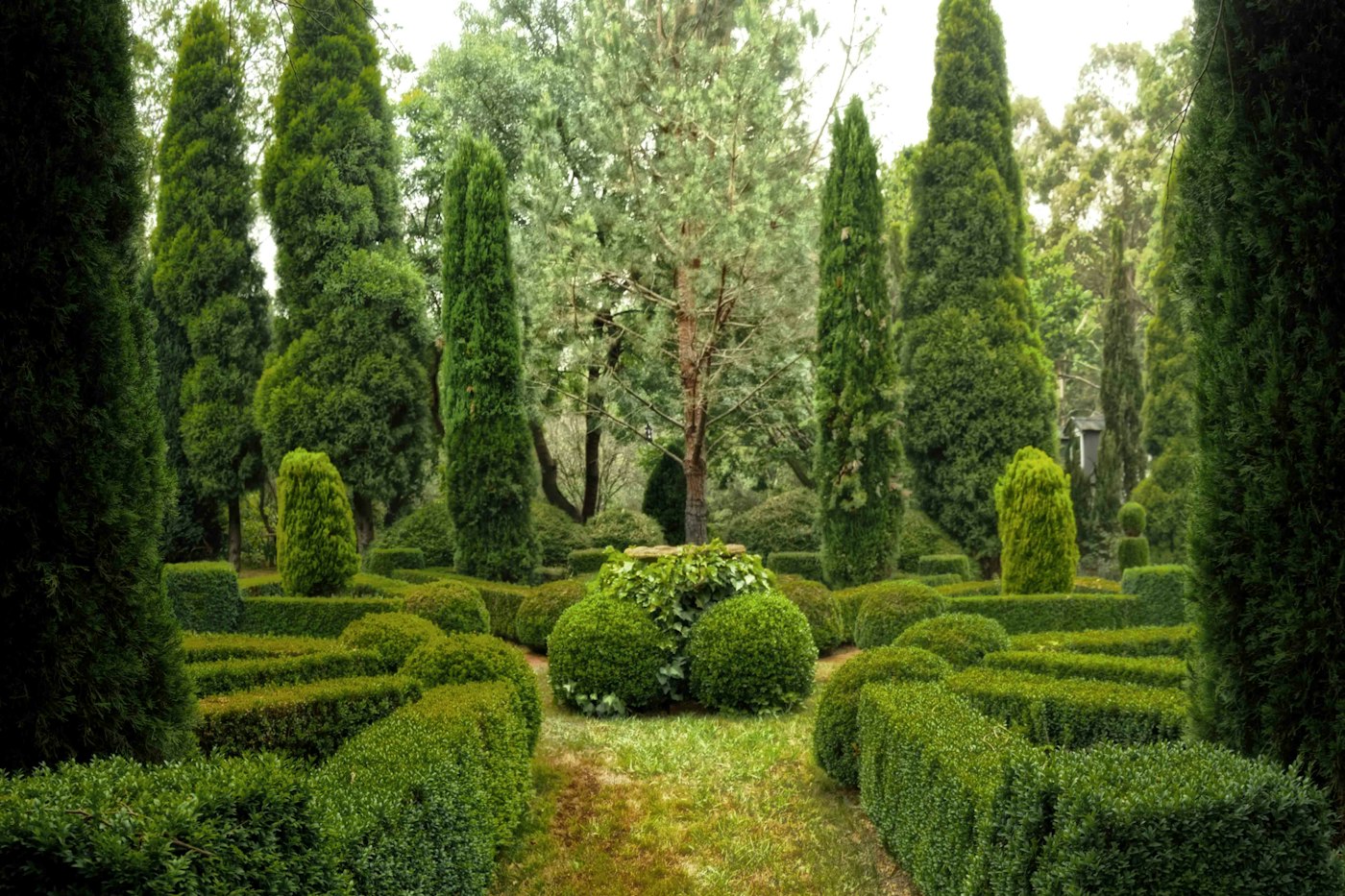

‘Emerald Green’ arborvitae is the go-to evergreen for narrow privacy hedges. It stays slim, keeps its bright color through winter, and needs little shearing. That said, it isn’t maintenance-free. Good emerald green arborvitae care in the first few years decides whether you get a dense green wall or a row of thin, browning trees.
Here’s how to plant, water, feed, and prune it the right way.
Know the Plant
- Botanical name: Thuja occidentalis ‘Smaragd’ (sold as ‘Emerald Green’)
- Mature size: 12 to 15 feet tall, 3 to 4 feet wide
- Growth rate: Slow to moderate, about 6 to 12 inches a year
- Hardiness: USDA zones 3 to 7 (8 with care)
- Light: Full sun to light shade
It’s a selection of the native eastern arborvitae, also called northern white cedar. If you need something much faster and bigger, our guide to green giant arborvitae spacing covers that alternative.
Planting for a Strong Start
Emerald green arborvitae care starts at planting, ideally in early fall or spring. Choose a spot with at least six hours of sun, since shaded trees grow thin. For a hedge, space trees about 3 feet apart, center to center.
- Dig a hole twice as wide as the root ball and no deeper.
- Loosen circling roots on container-grown plants.
- Set the tree so the top of the root ball is level with or slightly above grade.
- Backfill with native soil, then water slowly and deeply.
- Finally, mulch 2 to 3 inches deep, keeping mulch off the trunk.
Watering: The Most Important Part of Emerald Green Arborvitae Care
Most problems with this tree come back to water. Its roots are shallow, so it dries out quickly in summer and suffers in winter if it goes into the cold thirsty.
- First two years: Water deeply once or twice a week, about 5 gallons per tree, more in heat.
- Established trees: Water every week or two during dry spells.
- Late fall: Keep watering until the ground freezes. This reduces winter burn.
A soaker hose along the row makes this easy. Also, add it to your fall garden chores list so you don’t forget before winter.
Fertilizing
In most soils, arborvitae doesn’t need much. If growth is pale or slow, apply a slow-release evergreen fertilizer in early spring. However, never fertilize in late summer or fall, which encourages tender growth that freezes.
Pruning
‘Emerald Green’ keeps a natural narrow cone, so heavy pruning is rarely needed. If you want a crisp hedge, lightly shear in late spring after new growth appears. A second light trim in early summer is fine.
Avoid cutting into old, brown wood inside the plant. Unlike many shrubs, arborvitae won’t sprout new growth from bare wood.
Winter Protection
Heavy, wet snow can split multi-stemmed trees. To prevent this, gently brush off snow after storms. In windy or very snowy spots, loosely tie stems together with soft twine in late fall. Burlap screens also help young trees on the windward side.
Common Problems
- Brown inner foliage in fall: Normal seasonal shedding.
- Browning tips in late winter: Winter burn from drying wind and sun.
- Bronze, speckled foliage in summer: Often spider mites. Spray with a strong jet of water.
- Bagworms: Hand-pick the small hanging bags before they hatch in spring.
- Deer damage: Deer browse arborvitae heavily in winter. Fencing or repellents help.
A Note for Warm Climates
‘Emerald Green’ is a cool-climate plant. In the hot Southeast and much of tropical South America, it often struggles with heat and humidity. However, it can grow in cooler highland areas, such as southern Chile or the mountains of southern Brazil, with regular water.
Learn More
For more on the species, see the North Carolina Extension Gardener’s American arborvitae profile.
FAQ
How fast does Emerald Green arborvitae grow?
About 6 to 12 inches a year once established. Good emerald green arborvitae care, especially steady water, keeps growth on the higher end.
How tall does it get?
Usually 12 to 15 feet, though old trees can grow taller.
Can I top Emerald Green arborvitae?
Yes, once it reaches the height you want. Trim the top in late spring.
