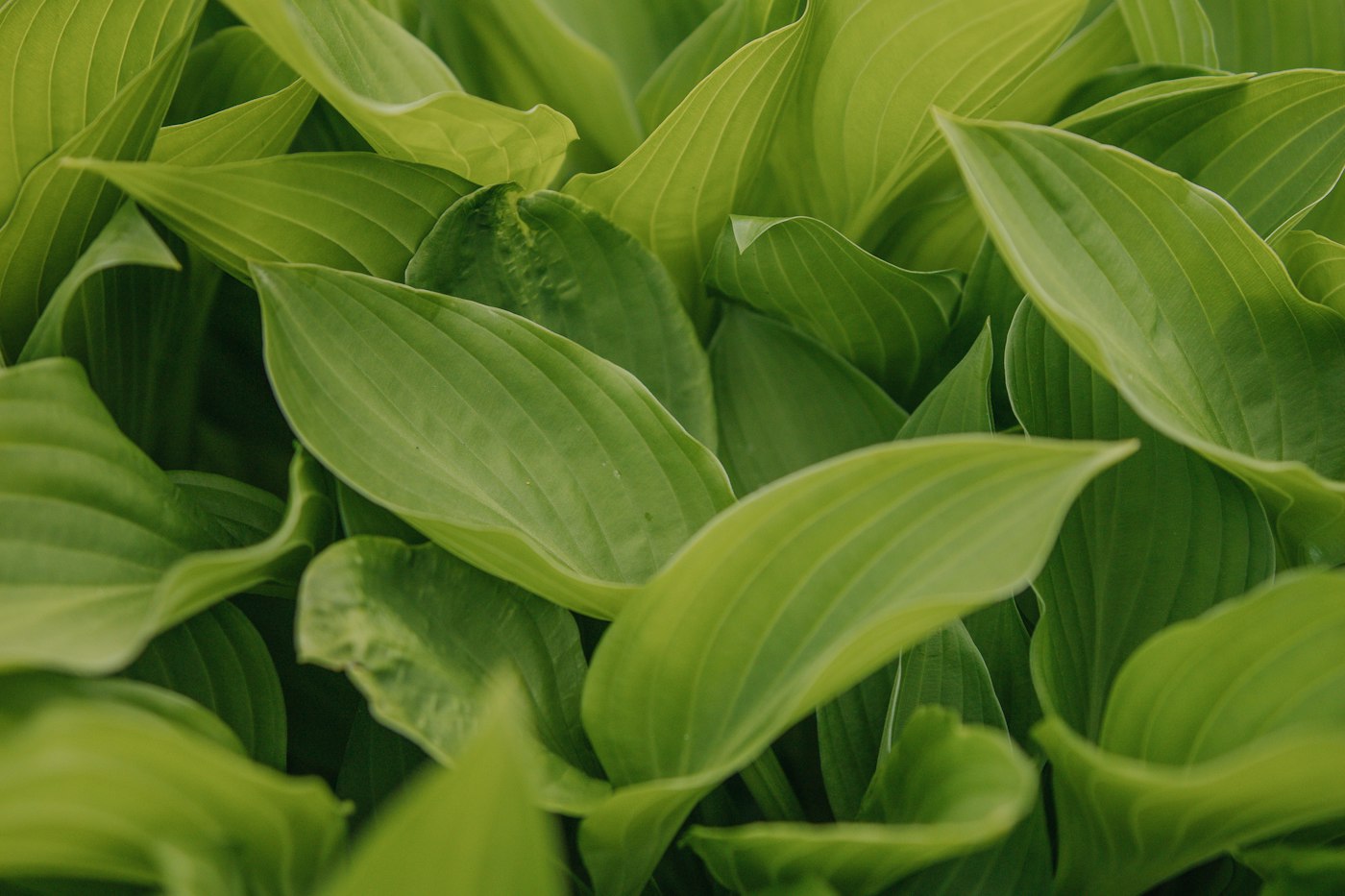
Hostas are the backbone of the shade garden. They come in blue, gold, green, and variegated leaves, from tiny 4-inch mounds to giants over 4 feet wide. Good hosta care is mostly about three things: the right light, steady moisture, and a plan for slugs and deer.
Get those right, and a hosta can thrive in the same spot for decades.
Light: How Much Shade Do Hostas Need?
Hostas tolerate shade, but most prefer gentle morning sun with afternoon shade. Leaf color is a good guide:
- Blue hostas: Need the most shade. Sun melts the waxy coating that gives them their color.
- Green hostas: Handle a range, from partial sun to fairly deep shade.
- Gold and white-variegated hostas: Often need some sun to develop their best color, but scorch in hot afternoon light.
In the hot South, keep all hostas in afternoon shade. Farther north, many types handle more sun as long as they get water.

Soil and Planting
Hostas like rich, moist, well-drained soil with plenty of organic matter. Before planting, mix 2 to 3 inches of compost into the bed. Then set each plant so the crown sits level with the soil surface. Burying the crown can lead to rot.
Spacing, however, depends on the mature size listed on the tag. As a guide, space small types 1 foot apart, medium types 2 feet apart, and giant types 3 to 4 feet apart.
Spring and early fall are the best times to plant. Hostas also pair beautifully with hydrangeas in partly shaded beds. If you grow both, here’s when to prune hydrangeas so they bloom well next to your hostas.
Hosta Care Through the Season
Watering
In general, hostas want about an inch of water per week. Without it, leaf edges turn brown and crispy. Water at the base in the morning, since wet leaves overnight encourage disease. A 2-inch layer of shredded bark mulch helps hold moisture.
Fertilizing
Next, feed once in early spring as the shoots emerge, using a balanced slow-release fertilizer. That’s usually enough. Too much nitrogen produces soft growth that slugs love.
Flowers
Most hostas send up lavender or white flower spikes in summer. Hummingbirds visit them. Still, many gardeners grow hostas for leaves and cut the stalks off after blooming to keep plants tidy.
Dealing With Slugs
Slugs are the number one hosta pest. Look for ragged holes in the leaves and silvery slime trails. To reduce damage:
- Choose thick-leaved varieties, such as ‘Sum and Substance’ or blue types like ‘Halcyon’, which slugs avoid.
- Water in the morning rather than the evening.
- Set shallow dishes of beer at soil level to trap them.
- Hand-pick slugs at dusk with a flashlight.
- Use iron phosphate slug bait, which is safer around pets than older metaldehyde products.
Keeping Deer Away
Deer treat hostas like salad. If deer are frequent visitors, a fence is the only reliable solution. Repellent sprays help, but you’ll need to reapply after rain and switch products occasionally. Planting hostas close to the house, where deer are less comfortable, can also reduce browsing.

Fall and Winter Care
After the first hard frost, hosta leaves collapse into a mushy pile. Remove them, since they can shelter slugs and disease over winter. That task is already on our fall garden chores list for good reason.
Hostas need a cold winter to rest. They’re hardy in USDA zones 3 to 8 and struggle in places without a real winter, such as Florida or much of tropical Brazil. In cooler parts of South America, including southern Chile and Argentina, they grow well in shade gardens.
Common Problems
Most issues trace back to the basics of hosta care: light, water, and spacing.
- Brown leaf edges: Too much sun or not enough water.
- Yellow leaves in summer: Often sun scorch. In fall, it’s normal.
- Few or small leaves: The clump may be crowded. Divide it in spring or early fall.
- Rotting crown: Soil is too wet, or the plant was buried too deep.
The North Carolina Extension Gardener hosta profile lists more varieties and growing details.
FAQ
Can hostas grow in full sun?
Some can, especially ‘Sum and Substance’ and ‘Guacamole’. Sunny spots, though, demand extra water and closer hosta care. Most prefer at least afternoon shade.
Do hostas spread?
Yes, slowly. Clumps get wider every year but don’t run through the garden.
Are hostas toxic to pets?
Yes. Hostas contain saponins that can upset a dog’s or cat’s stomach if eaten.