A few yellow leaves don’t mean your tomato plant is doomed. Still, tomato leaves turning yellow are a signal worth reading, because the pattern tells you a lot. Where the yellowing starts, how fast it spreads, and what the spots look like all point to different causes.
Below are the eight most common reasons, how to recognize each one, and what to do about it.
First, Look at Where the Yellow Starts
- Bottom leaves only: Usually natural aging, a nitrogen shortage, or early blight.
- New growth at the top: More likely a micronutrient issue, such as iron or sulfur.
- One side of the plant: Often a wilt disease like fusarium.
- The whole plant at once: Watering problems or root damage.
8 Reasons for Tomato Leaves Turning Yellow
1. Normal Aging
As a tomato grows taller, its lowest leaves get shaded and stop pulling their weight. The plant lets them go. If only a few bottom leaves yellow slowly while the rest of the plant looks lush, there’s nothing to fix. Simply pinch them off.
2. Overwatering
Soggy soil suffocates roots. As a result, they can’t take up nutrients, and leaves yellow even though the soil is wet. Check by digging down 2 inches. If the soil is muddy, water less often and improve drainage. In pots, make sure the drainage holes aren’t blocked.
3. Underwatering
On the other hand, a plant that dries out repeatedly also yellows, usually with crispy, curled leaf edges. Tomatoes need about 1 to 2 inches of water a week, more in containers. Our guide to growing tomatoes in pots covers how often container plants need a drink.
4. Nitrogen Deficiency
Nitrogen moves within the plant. When there isn’t enough, the plant pulls it from older leaves to feed new growth. The result is even yellowing that starts at the bottom and moves up. Side-dress with compost or apply a balanced vegetable fertilizer. However, don’t overdo it, since too much nitrogen means lots of leaves and few tomatoes.
5. Magnesium Deficiency
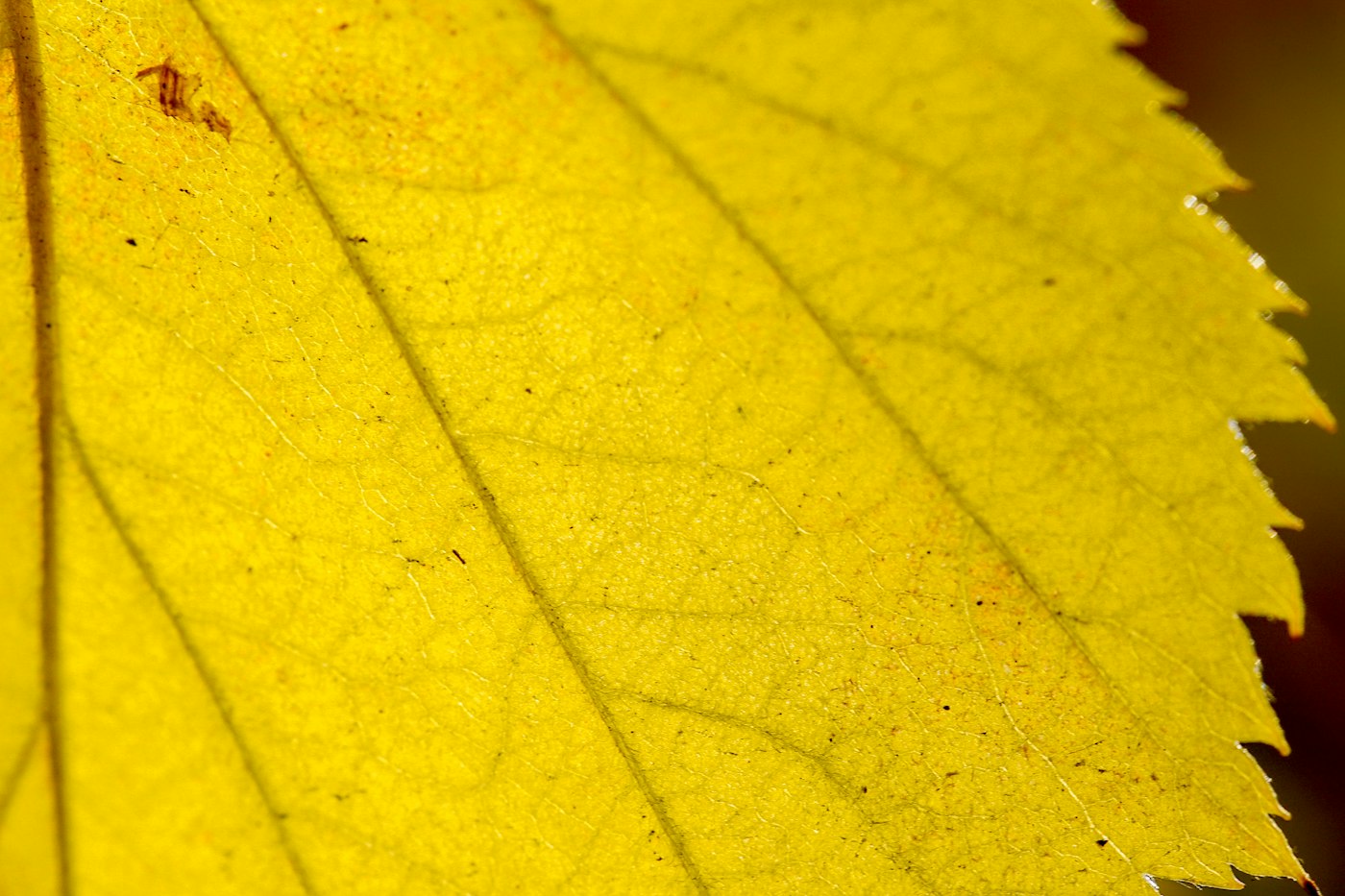
Here, the tissue between the veins turns yellow while the veins stay green. It usually shows on older leaves first. Sandy or very acidic soils are common culprits. A soil test is the best way to confirm it before adding anything.
6. Early Blight
This fungal disease causes brown spots with dark rings, like a target, surrounded by yellow tissue. It starts on lower leaves, especially after rain splashes soil onto them. To slow it down:
- Remove infected leaves and throw them in the trash.
- Mulch under plants so soil doesn’t splash up.
- Water at the base instead of overhead.
- Prune lower branches so air moves through the plant.
7. Septoria Leaf Spot
Septoria shows up as many small, round spots with gray centers and dark edges. Leaves then yellow and drop. Treatment is the same as early blight: remove affected leaves, mulch, and keep foliage dry.
8. Fusarium or Verticillium Wilt
These soil-borne diseases block the plant’s water-carrying tissue. Typically, leaves yellow and wilt on one side or one branch first. There’s no cure once a plant is infected. Pull it, don’t compost it, and plant resistant varieties next year. Look for “F” or “V” after the variety name in seed catalogs.
How to Prevent Yellow Leaves Next Season
Most problems that cause tomato leaves turning yellow are easier to prevent than to cure. A few habits make a big difference:
- Rotate where you plant tomatoes. A simple four-bed plan, like the one in our raised bed garden layout guide, keeps tomatoes out of the same soil for three years.
- Space plants for airflow.
- Mulch with straw or shredded leaves right after planting.
- Water deeply and consistently, ideally in the morning.
- Choose disease-resistant varieties.
When to Worry and When to Relax
Late in the season, tomato leaves turning yellow are almost unavoidable. Plants are tired, nights are cooler, and diseases have had months to build up. If the plant is still setting and ripening fruit, keep harvesting and let it finish. In contrast, yellowing on young plants in early summer deserves a closer look.
For photos of common tomato diseases and pests, the UC Statewide IPM Program’s tomato page is an excellent reference.
A Note for Warm Climates
In humid places like the Gulf Coast, Florida, or southern Brazil, leaf diseases spread fast. That’s why gardeners there often plant tomatoes in the cooler, drier part of the year. In Brazil’s Southeast, for example, many home gardeners grow them through autumn and winter rather than in the rainy summer.
FAQ
Should I remove yellow leaves from tomato plants?
Yes. Removing them improves airflow and slows the spread of disease. Use clean pruners and dispose of diseased leaves in the trash.
Can yellow tomato leaves turn green again?
No. Once a leaf yellows, it won’t recover. The goal is to protect new growth.
Does Epsom salt fix yellow tomato leaves?
Only if the cause is a confirmed magnesium shortage. Otherwise, it won’t help and can upset the soil balance.