
Prune a hydrangea at the wrong time and you can cut off every flower bud for next year. That’s why knowing when to prune hydrangeas comes down to one question: does your plant bloom on old wood or new wood?
Once you know the answer, the rest is simple. Below you’ll find how to identify your type, the right month to prune it, and the cuts that actually help.
Key Takeaways
- Bigleaf, oakleaf, and climbing hydrangeas bloom on old wood. Prune them right after flowering, in summer.
- Panicle and smooth hydrangeas bloom on new wood. Prune them in late winter or early spring.
- Reblooming types, like the Endless Summer series, bloom on both, so light pruning is safest.
- When in doubt, only remove dead stems and spent flowers.
Old Wood vs. New Wood
“Old wood” means stems that grew last year. These hydrangeas set their flower buds in late summer and fall, then carry them through winter. If you cut those stems in fall or spring, you remove the buds.
“New wood” means stems that grow this spring. These hydrangeas form buds on fresh growth, so a late-winter cut doesn’t cost you any flowers. In fact, it often leads to sturdier stems.
When to Prune Hydrangeas by Type
Bigleaf Hydrangea (Hydrangea macrophylla)
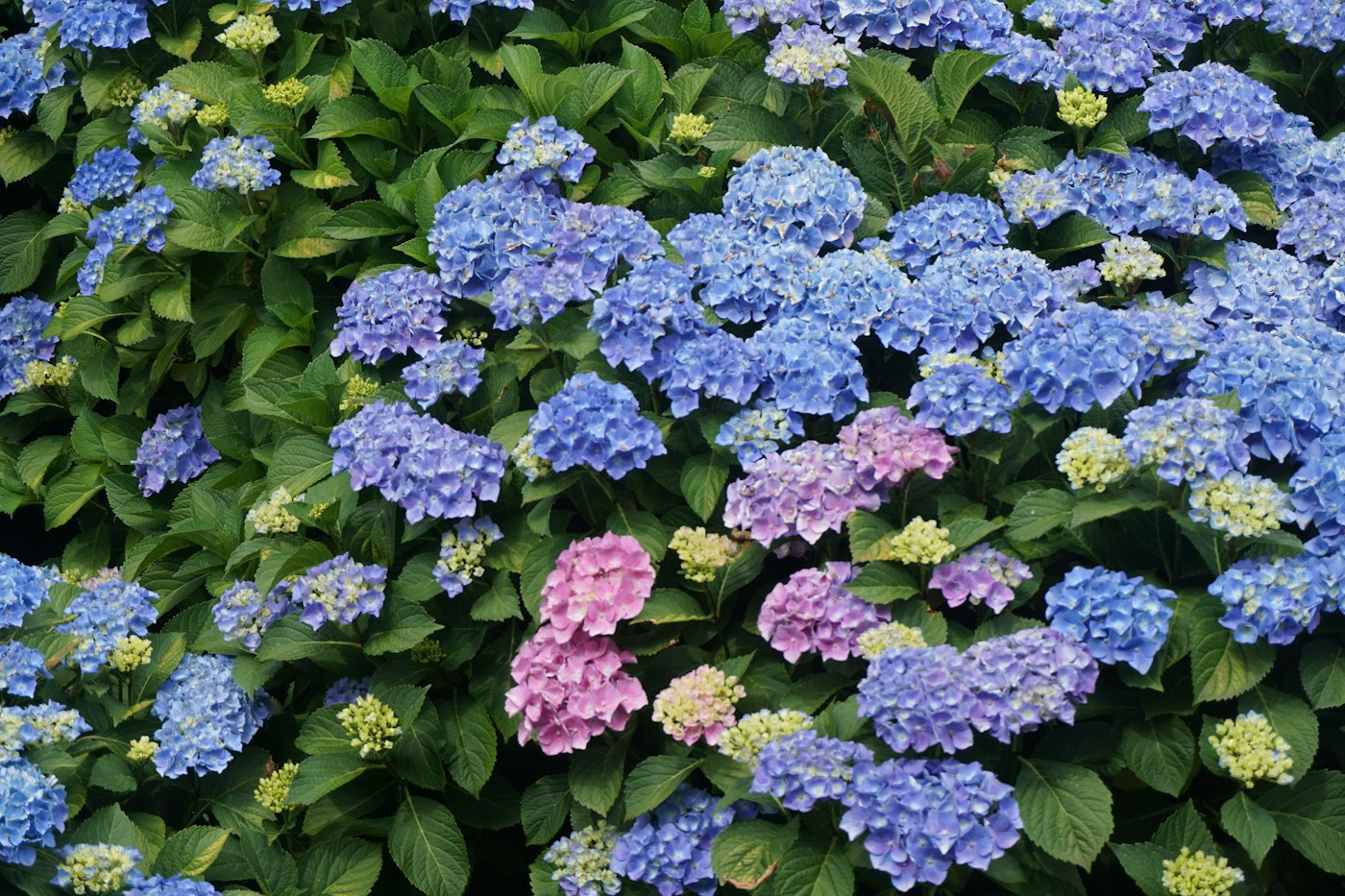
These are the classic mophead and lacecap shrubs with blue or pink flowers. They bloom on old wood. Prune right after the flowers fade, by early August at the latest in most of North America. After that, the plant starts setting next year’s buds.
Oakleaf Hydrangea (Hydrangea quercifolia)
This native shrub also blooms on old wood. Fortunately, it rarely needs pruning. Simply remove dead branches and shape it lightly after it flowers.
Panicle Hydrangea (Hydrangea paniculata)
‘Limelight’, ‘Quick Fire’, and ‘Little Lime’ are all panicle types. They bloom on new wood, so prune them in late winter or early spring before new growth starts. Cut back by about one-third, keeping a framework of thick stems.
Smooth Hydrangea (Hydrangea arborescens)
‘Annabelle’ and ‘Incrediball’ belong here. They also bloom on new wood. Many gardeners cut them to 12 to 24 inches in late winter. Leaving taller stems, however, helps keep the heavy flower heads from flopping.
Climbing Hydrangea (Hydrangea anomala petiolaris)
Prune after flowering in summer, and only to control size. It blooms on old wood.
How to Tell Which Type You Have
Lost the plant tag? Look at the flowers and leaves:
- Blue or pink flowers with big, glossy leaves: bigleaf.
- Cone-shaped white flowers that age to pink: panicle.
- Round white or green flowers with soft, thin leaves: smooth.
- Leaves shaped like oak leaves: oakleaf.
The North Carolina Extension Gardener’s bigleaf hydrangea page has photos that make identification easier.
How to Make the Cuts
- Start by removing dead stems at the base. Dead wood is gray, brittle, and snaps easily.
- Next, take out a few of the oldest, thickest stems to open up the center.
- Then cut spent flowers back to the first pair of healthy buds below the bloom.
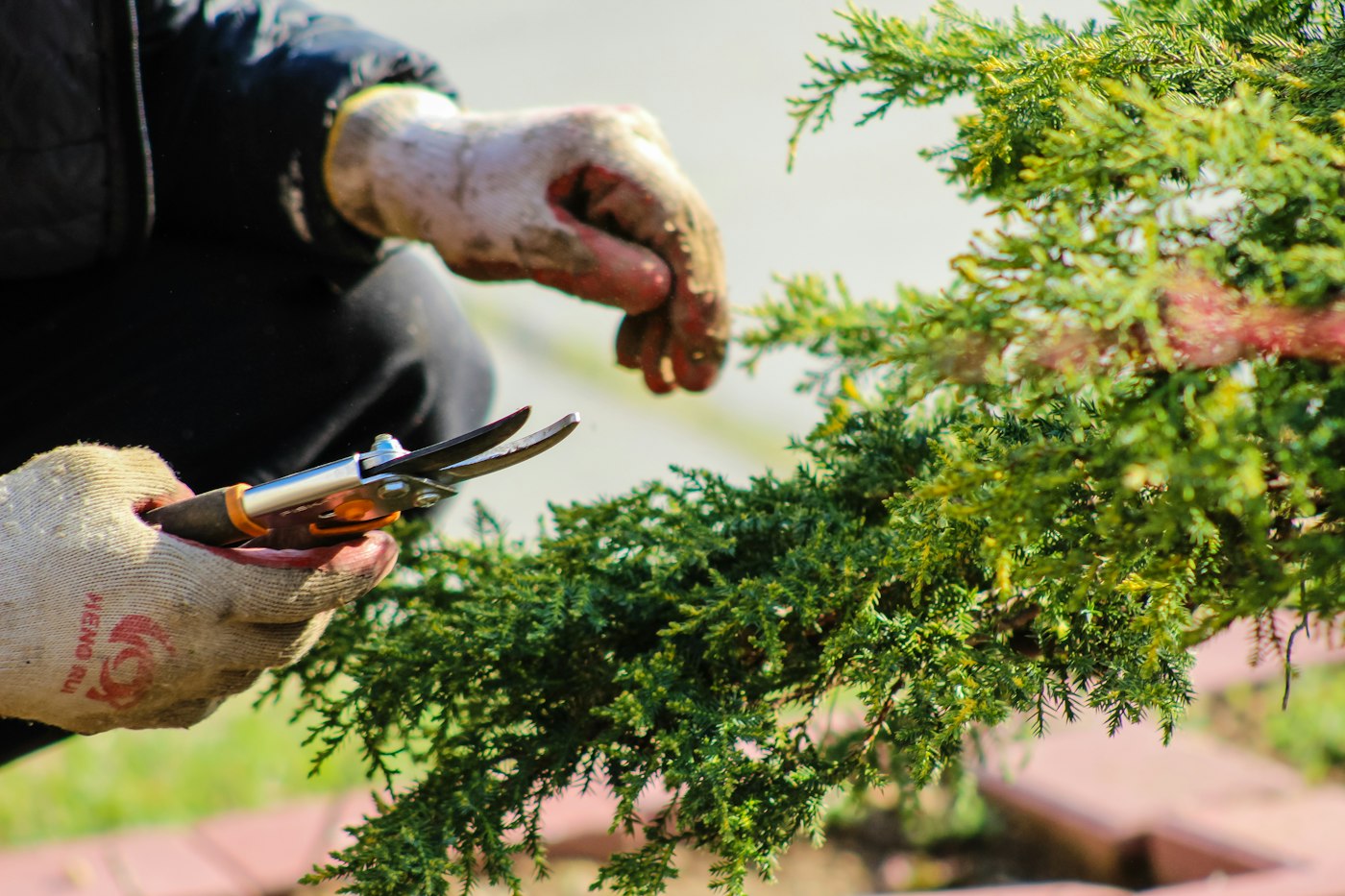
- Use clean, sharp bypass pruners and cut just above a bud or leaf pair.
Avoid shearing hydrangeas into tight balls. It looks neat for a week but often leaves you with fewer, smaller flowers.
What About Fall?
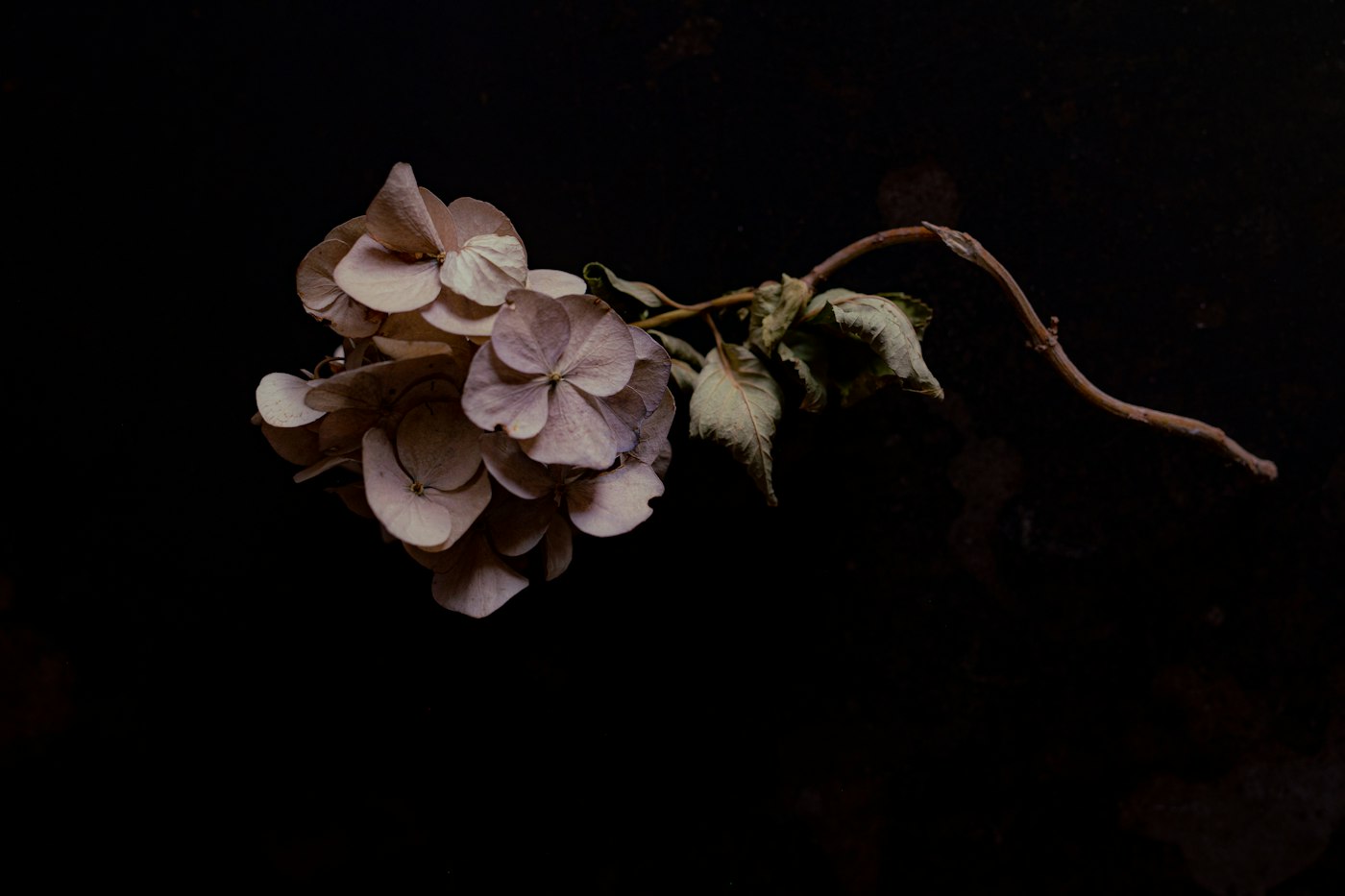
If you’re asking when to prune hydrangeas in fall, the honest answer is: usually not at all. Old-wood types already have next year’s buds, and new-wood types benefit from keeping their stems through winter. Dried flower heads also look beautiful in the snow and protect buds below them.
So in fall, just tidy up. Remove broken stems and pull fallen leaves away from the base, as you would with other fall garden chores. Then leave the rest until the right season.
Southern Hemisphere Timing
Gardening in Argentina, Chile, Uruguay, or southern Brazil? Flip the calendar. Prune new-wood types in late winter, around July and August. Prune old-wood types right after summer flowering, usually by February.
Rebloomers Need a Lighter Touch
Reblooming bigleaf hydrangeas form buds on old and new stems. That gives you some insurance. Still, heavy spring pruning delays flowers until late summer. For the best show, deadhead lightly through summer and remove only dead wood in spring.
If you want early-spring color around your hydrangeas while they leaf out, try planting spring bulbs in front of them this fall.
FAQ
Can I cut my hydrangea to the ground?
Yes, but only smooth and panicle types, and only in late winter. Bigleaf hydrangeas cut to the ground won’t bloom that year.
Should I deadhead hydrangeas?
Deadheading is optional. It tidies the plant and can encourage rebloomers to flower again. Cut just below the spent bloom.
Why did my hydrangea stop blooming after pruning?
Most likely, it blooms on old wood and was cut at the wrong time. Next year, check when to prune hydrangeas of that type and trim right after flowering instead.