You’ve waited weeks for your first tomatoes, and then you see it: a dark, leathery patch on the bottom of the fruit. That’s blossom end rot. It looks like a disease, but it isn’t one. No fungus or bacteria causes it, and sprays won’t cure it.
Blossom end rot is a calcium problem inside the fruit. Usually, though, the soil has plenty of calcium. The real issue is water.
What Blossom End Rot Looks Like
- A small, water-soaked spot at the blossom end of the fruit, opposite the stem.
- The spot grows, darkens, and turns flat, sunken, and leathery.
- Mold may grow on the damaged area later.
It shows up most often on tomatoes. However, peppers, eggplant, squash, and watermelon get it too.
What Causes Blossom End Rot?
Calcium travels through a plant with water. Fast-growing fruit needs a lot of it. If water supply is uneven, calcium doesn’t reach the fruit fast enough, and cells at the blossom end collapse.
Common triggers include:
- Uneven watering: Dry soil followed by a soaking, again and again.
- Containers that dry out quickly: Pots on a hot patio are especially prone.
- Too much nitrogen: Lush leaves pull water and calcium away from fruit.
- Root damage: Deep cultivation near plants cuts feeder roots.
- Very acidic soil: Below a pH of about 6.0, calcium becomes harder to take up.
Why It Hits the First Fruits Hardest
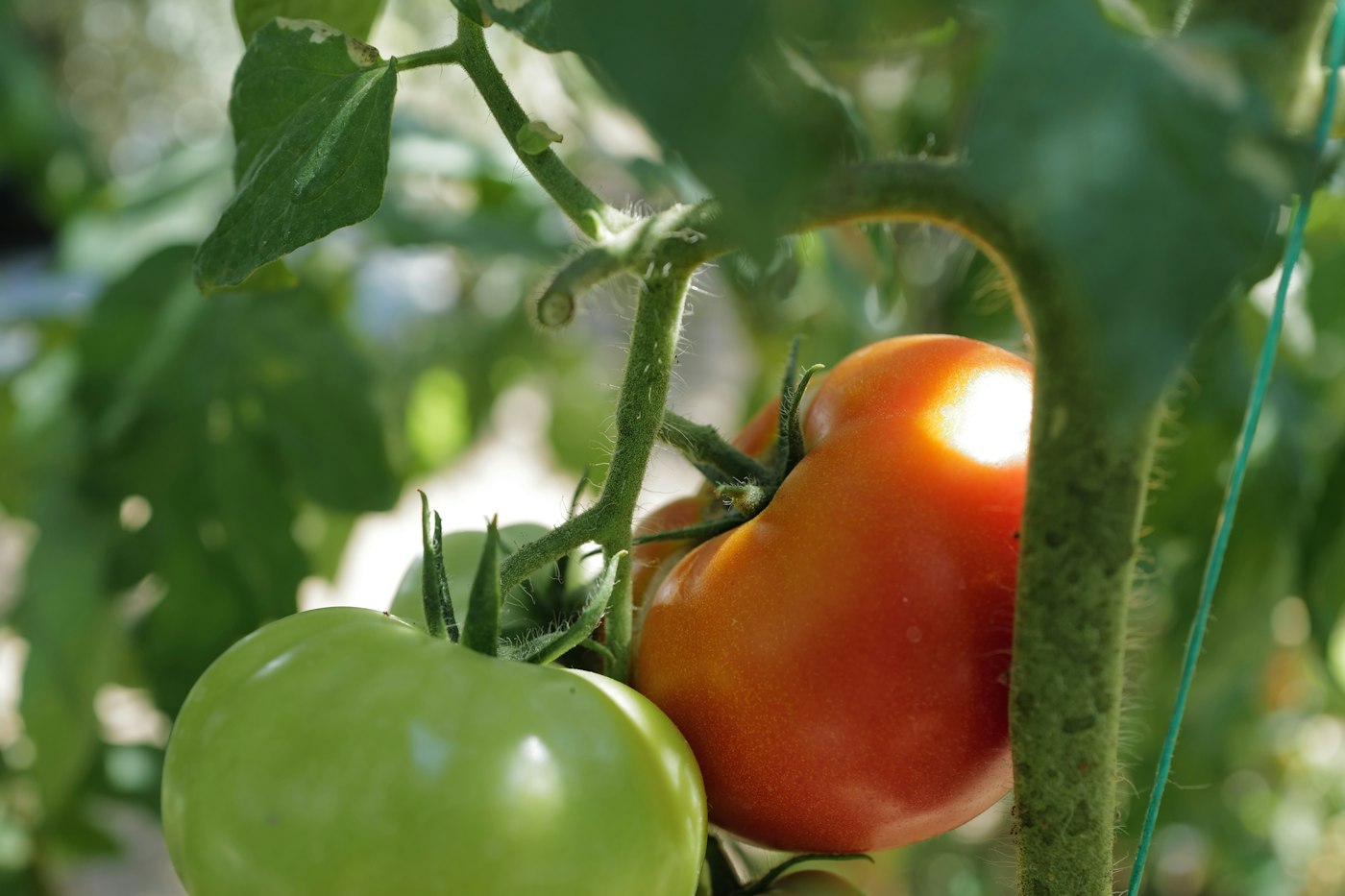
Early in the season, plants put out big fruit before their root systems are fully developed. Hot spells then stress them. As a result, the first tomatoes are often the worst. Later fruit on the same plant is usually fine once watering is steady.
How to Stop Blossom End Rot
Water Consistently
This is the most important fix. Aim for about 1 to 2 inches of water per week, delivered evenly. Water deeply rather than in quick sprinkles. A drip line or soaker hose on a timer makes consistency easy.
Mulch
Next, spread 2 to 3 inches of straw, shredded leaves, or bark mulch around plants. It keeps soil moisture even between waterings.
Size Pots Generously
Containers smaller than 5 gallons dry out too fast. For full-size tomatoes, use 10 to 15 gallons. Our guide to growing tomatoes in pots covers container size and watering routines.
Go Easy on Nitrogen
Choose a fertilizer made for tomatoes, which is lower in nitrogen. Similarly, avoid fresh manure right before planting.
Test Your Soil
If blossom end rot keeps returning despite good watering, test the soil. Add lime only if the test shows low pH or low calcium.
What About Calcium Sprays and Eggshells?
Calcium foliar sprays have limited effect, because fruit absorbs very little through the skin. Likewise, eggshells break down too slowly to help the current crop. Antacid tablets and powdered milk are popular tips online, but they don’t address the real cause. Fix the watering, and the problem fades.
Can You Eat Tomatoes With Blossom End Rot?
Yes. Cut away the damaged part and eat the rest. However, remove badly affected fruit from the plant early so it can put energy into healthy tomatoes.
Don’t Confuse It With Disease
Blossom end rot only affects the fruit’s bottom. Spots on leaves are a different problem. If you’re also seeing yellowing foliage, our guide to tomato leaves turning yellow helps you sort out the cause. For photos of other fruit problems, the UC Statewide IPM tomato page is a reliable reference.
FAQ
Does blossom end rot spread to other plants?
No. It isn’t contagious, so it can’t spread from plant to plant.
Will blossom end rot go away on its own?
Often, yes. Once roots grow deeper and watering evens out, later fruit is usually healthy.
Are some varieties more prone to it?
Yes. Paste tomatoes like ‘Roma’ and large-fruited types are more susceptible than cherry tomatoes.