Saving seeds is one of the oldest garden skills, and it’s easier than most people think. It saves money, preserves favorite varieties, and, over time, gives you plants that are well suited to your own backyard. Here’s how to save seeds from common vegetables and flowers, plus how to dry and store them so they sprout next spring.
Start With the Right Plants
Before you save anything, check what kind of plant you grew.
- Open-pollinated and heirloom varieties come “true” from seed. In other words, the next generation looks and tastes like the parent.
- Hybrids, usually labeled F1, don’t. Their seeds may grow, but the offspring often look very different.
So if you plan to save seeds, choose heirloom or open-pollinated varieties from the start.
The Easiest Seeds to Save
Some plants usually pollinate themselves, so they rarely cross with neighboring varieties. As a result, they’re perfect for beginners:
- Beans and peas
- Tomatoes
- Peppers (though hot and sweet types can occasionally cross)
- Lettuce
Squash, cucumbers, melons, corn, and the cabbage family are trickier. Bees and wind carry their pollen between varieties. Therefore, you’d need to grow only one variety, or hand-pollinate and bag flowers, to keep seed true.
How to Save Seeds From Beans and Peas
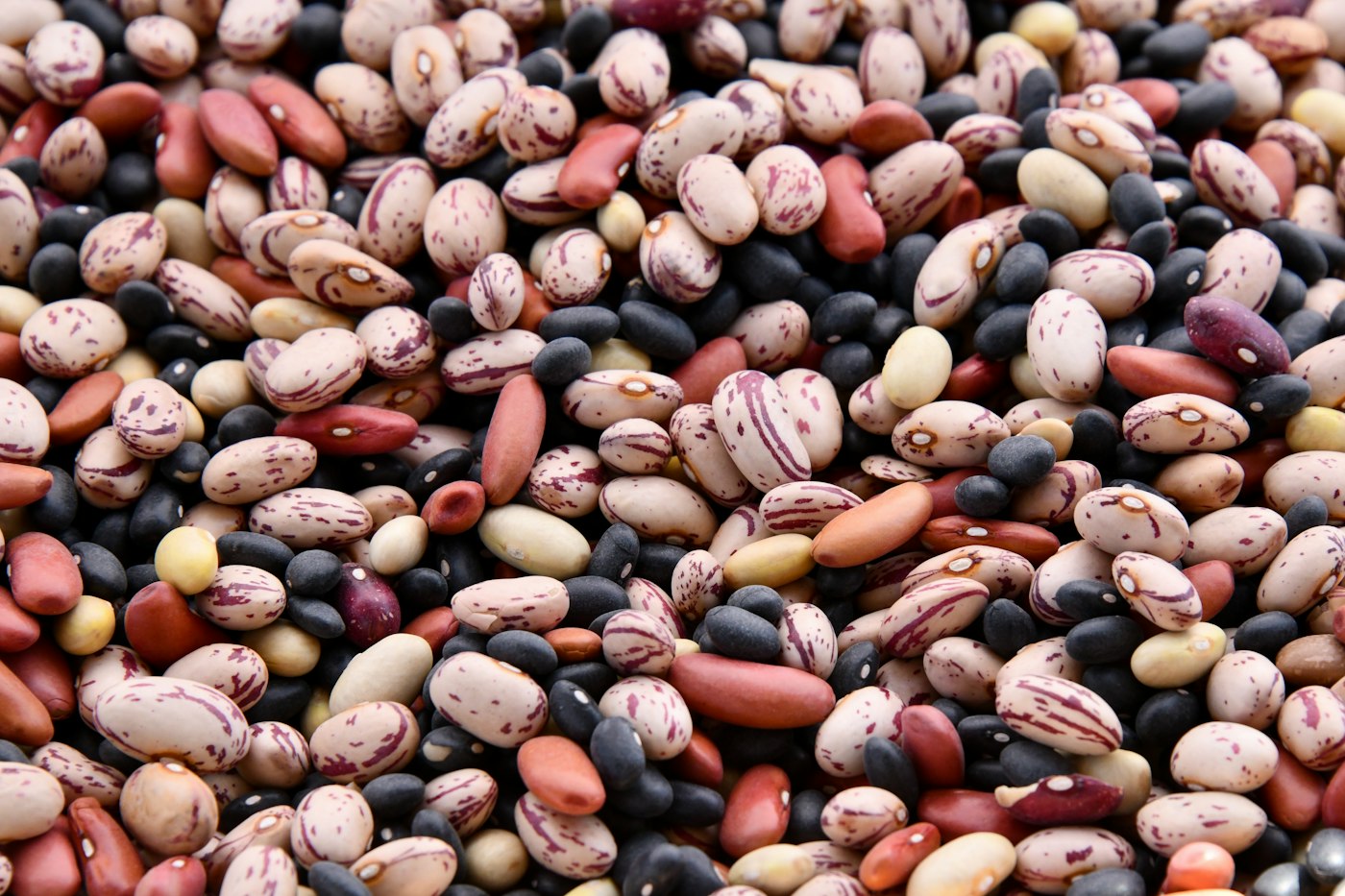
This is the simplest crop of all. Leave some pods on the plant until they turn brown and dry, and the seeds rattle inside. Then pick the pods, finish drying them indoors for a week or two, and shell them. If frost threatens first, pull the whole plant and hang it upside down in a garage.
NC State’s common bean profile has more on bush and pole types.
How to Save Seeds From Tomatoes
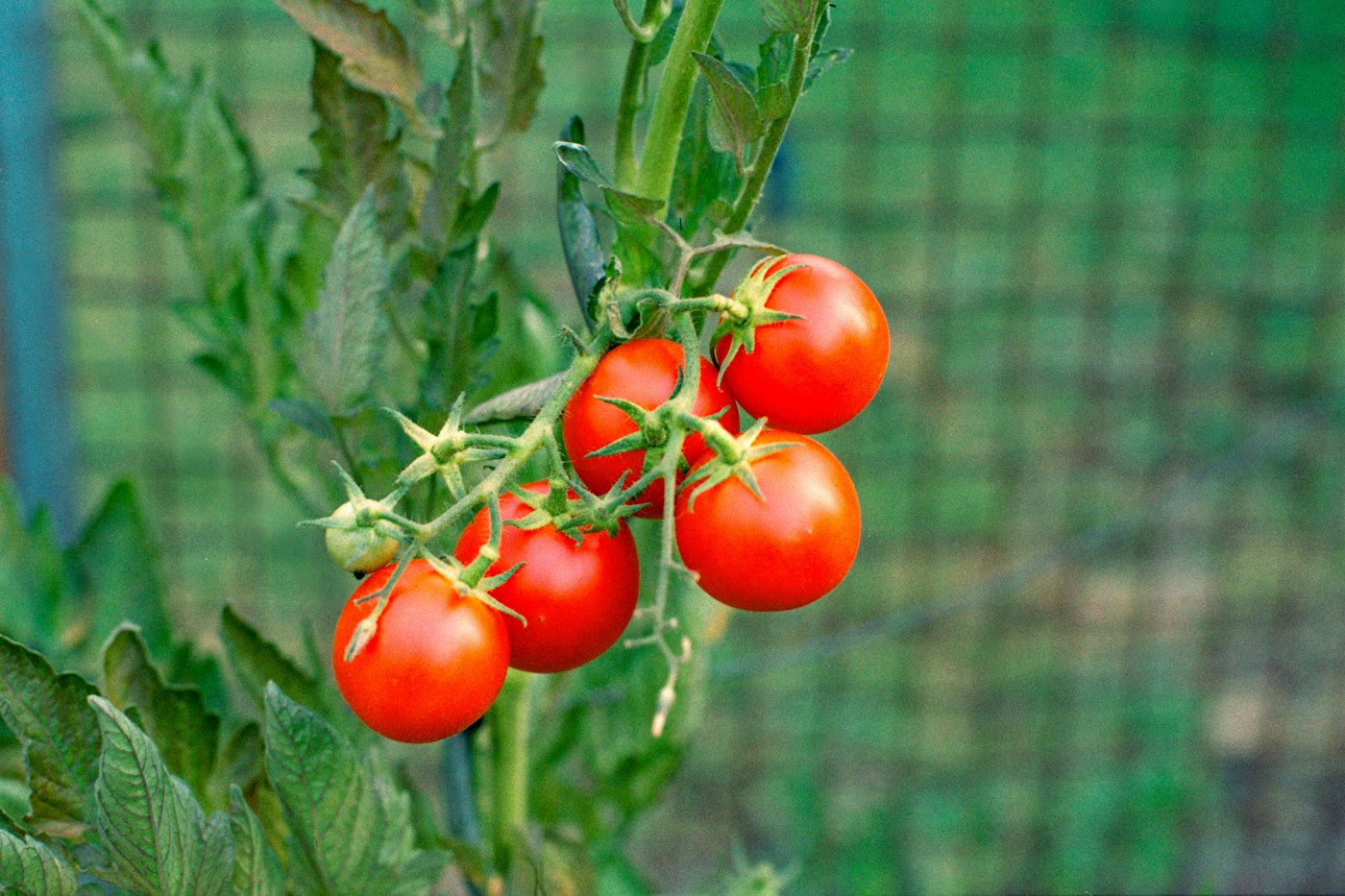
Tomato seeds sit in a gel coating that slows sprouting. Fermenting removes it.
- Pick a fully ripe tomato from a healthy plant.
- Squeeze the seeds and gel into a jar, and add a little water.
- Set the jar somewhere warm for two to four days, stirring once a day. A layer of mold will form on top, which is normal.
- Next, pour off the mold and floating seeds. Good seeds sink to the bottom.
- Rinse the seeds in a strainer, then spread them on a plate or coffee filter to dry.
If you grow tomatoes in pots, the same method works for container plants.
How to Save Seeds From Peppers
Let peppers ripen fully on the plant, usually until they turn red, yellow, or orange. Then cut them open, scrape out the seeds, and spread them on a plate to dry. Wear gloves for hot peppers, and don’t touch your eyes.
Saving Flower Seeds
Many annuals and perennials are easy, too. For example, zinnias, marigolds, cosmos, sunflowers, and coneflowers all make plenty of seed. Leave a few flower heads on the plant until they turn brown and dry. Then snip them into a paper bag, and shake or rub out the seeds.
Leaving some coneflower heads also feeds birds in winter, as our coneflower care guide explains. And native seeds are perfect for expanding a pollinator garden.
Drying Seeds Properly
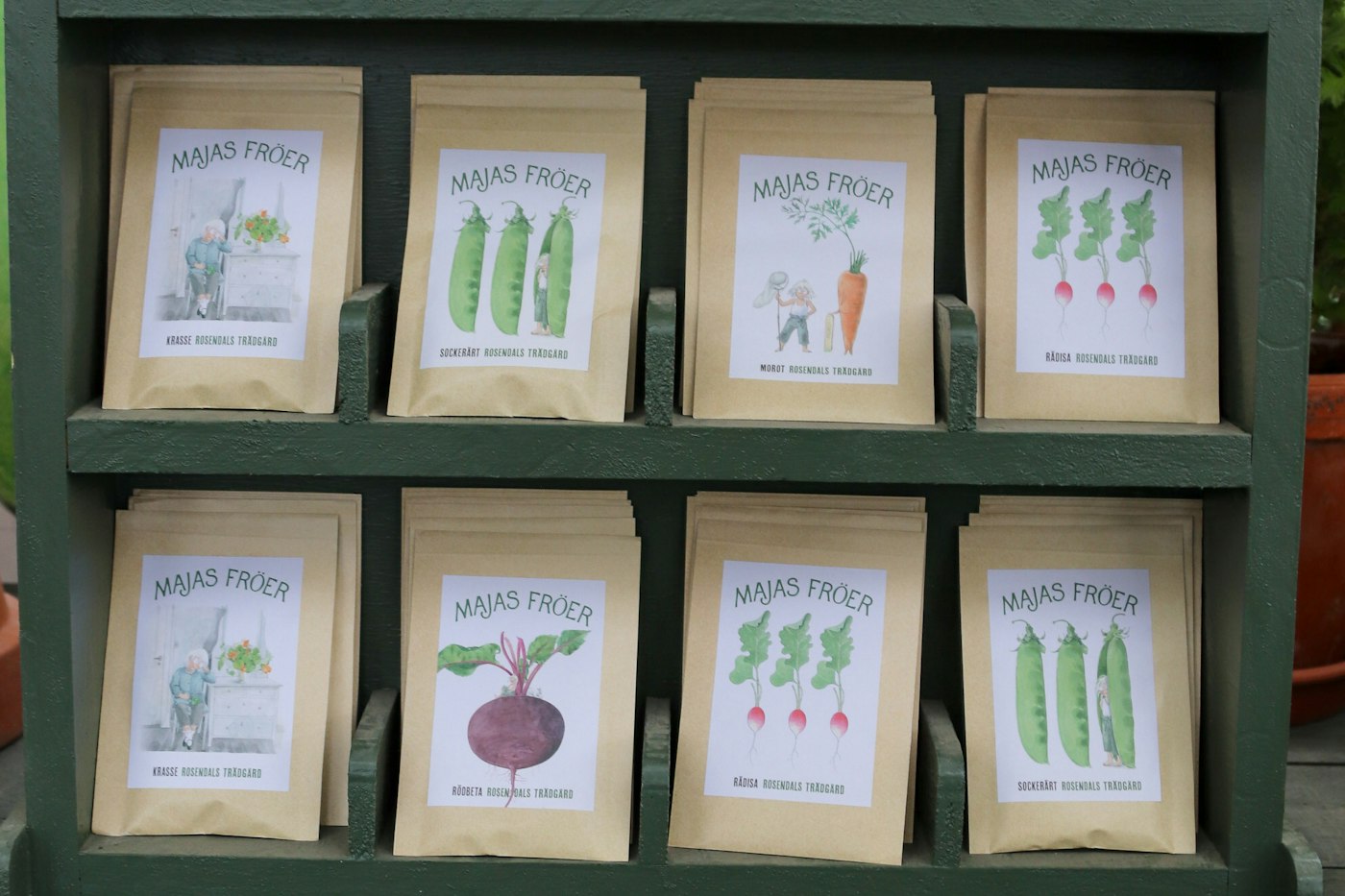
Seeds must be completely dry before storage, or they’ll mold. Spread them in a single layer on paper plates or screens, out of direct sun. Then let them dry for one to two weeks. Large seeds like beans should snap, not bend, when fully dry.
How to Store Seeds
- Keep them cool, dry, and dark. These three things matter most.
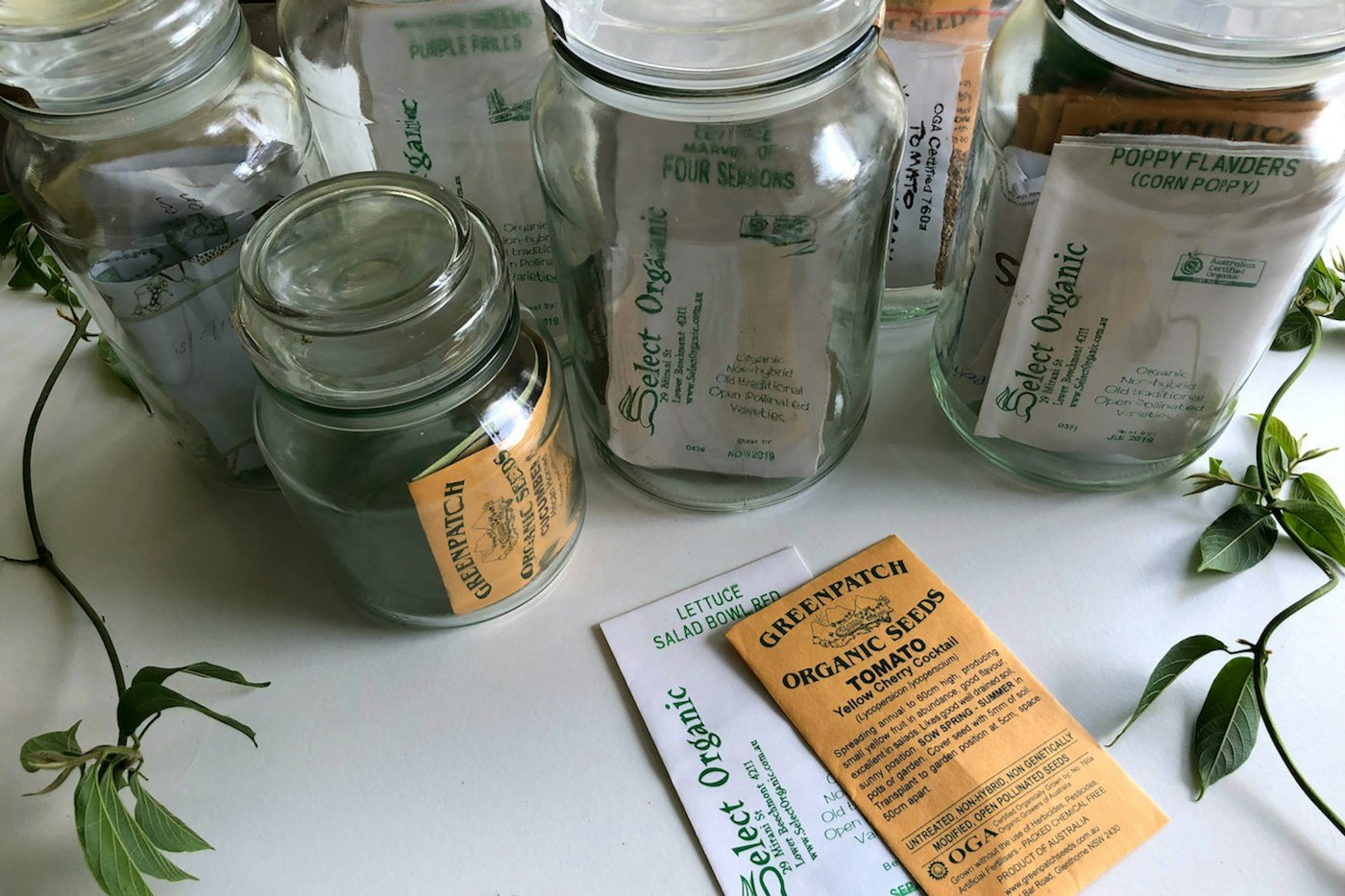
- Use paper envelopes inside a sealed glass jar. Also, add a silica gel packet or a spoonful of dry rice to absorb moisture.
- Label everything with the plant, variety, and year.
- Consider the fridge. A refrigerator works well, as long as seeds are fully dry and sealed.
How Long Do Saved Seeds Last?
It varies. Tomato seeds often stay good for four years or more, and beans for about three. Onion and parsnip seeds, however, fade after a year or two. To check old seeds, roll 10 of them in a damp paper towel. Then count how many sprout after a week or so.
FAQ
Can I save seeds from store-bought produce?
Sometimes. But most grocery vegetables are hybrids, so results are unpredictable.
Which plants should I save seeds from?
Choose your healthiest, most productive plants. Over time, this simple habit adapts seeds to your garden.
Is it hard to learn how to save seeds?
Not at all. Start with beans or tomatoes this year, and you’ll know how to save seeds from most crops within a season or two.