

Outdoor watering is one of the biggest uses of water at home, especially in summer. Drought tolerant landscaping cuts that down without leaving you with a yard full of rocks. The best low-water gardens are full of color, texture, and wildlife, and once established they need far less work than a thirsty lawn.
These 12 ideas work in dry regions like the Southwest and California, but they also help in places with hot, rainless stretches each summer.
1. Shrink the Lawn
Turf grass needs a lot of water to stay green. You don’t have to remove all of it. Instead, keep a smaller patch where kids and pets actually play, and turn the rest into planted beds or a native ground cover.
2. Group Plants by Water Needs
Landscapers call this hydrozoning. Thirsty plants go together near the house or hose. Tough, dry-loving plants go farther out. That way, you’re not overwatering cactus to keep a hydrangea alive.
3. Choose Native Plants First
Plants that evolved in your region already handle its rainfall. In the Midwest and East, that might mean butterfly weed, little bluestem, and asters. In Texas and the Southwest, think blackfoot daisy, agave, and salvias. Ask a local native plant society for lists that fit your area.
4. Mulch Everything
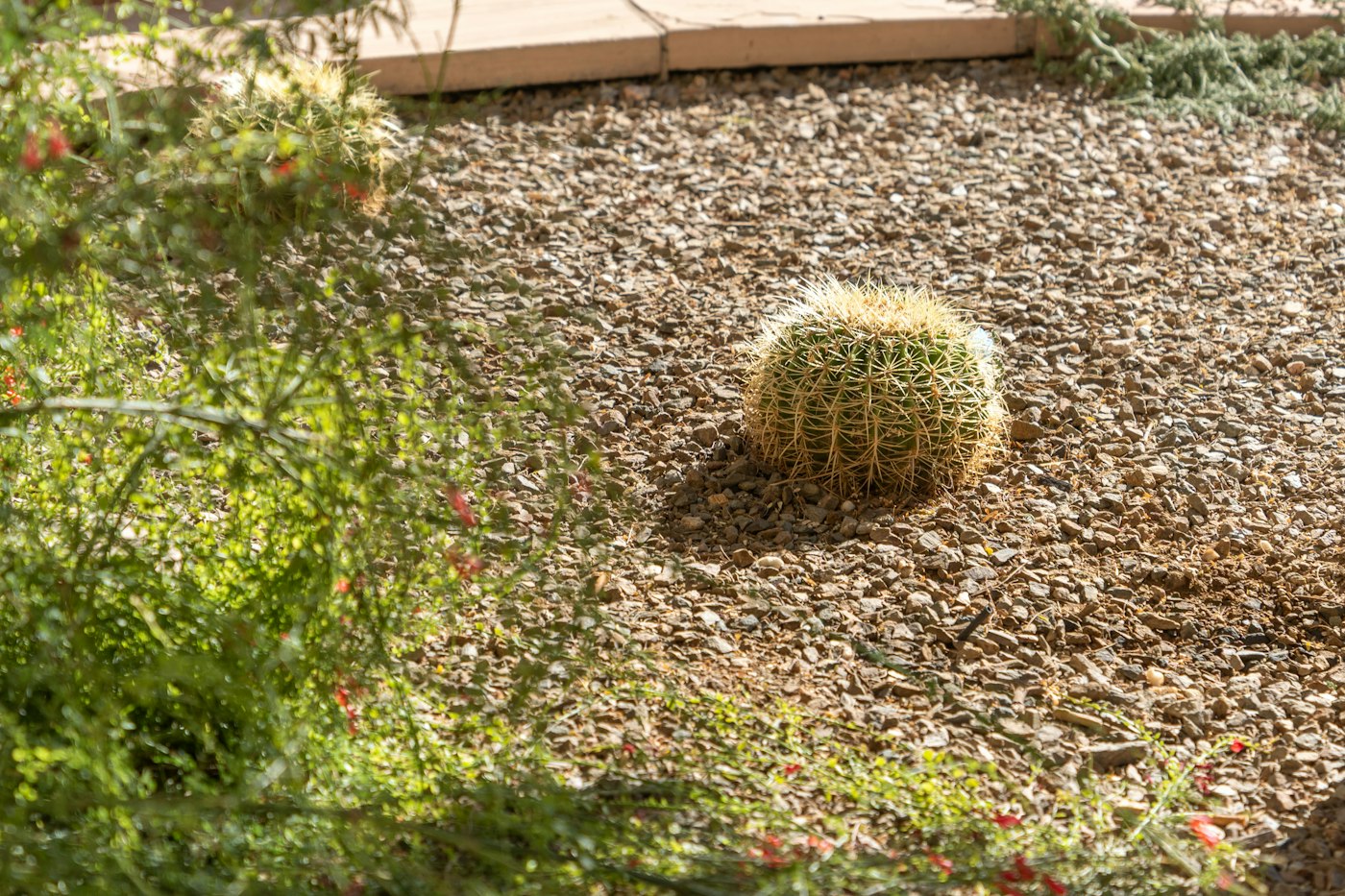
A 2- to 3-inch layer of mulch keeps soil cool and slows evaporation. Shredded bark and wood chips work well in most beds. Gravel suits desert plants, which prefer dry crowns. You can also use shredded leaves, a free option covered in our fall garden chores list.
5. Improve the Soil Once
Compost helps soil hold moisture in clay and sandy ground alike. Work it in when you create new beds. After that, the mulch does most of the work as it breaks down.
6. Switch to Drip Irrigation
Sprinklers lose water to wind and evaporation. Drip lines, however, deliver water right to the roots. Pair them with a timer, and you’ll water less while plants actually get more.
7. Water Deeply, Not Often
Short, daily watering keeps roots near the surface. In contrast, deep watering once or twice a week trains roots to grow down, where soil stays moist longer. Most established drought tolerant landscaping only needs water during long dry spells.
8. Add Ornamental Grasses
Grasses like blue grama, muhly grass, and switchgrass bring movement and fall color. Plus, they need almost no care besides a spring trim.
9. Use Succulents Where They Fit
Agave, yucca, sedum, and hardy ice plant are classic choices in hot, dry areas. Many sedums and hardy yuccas also survive northern winters. Just make sure drainage is excellent, since wet roots kill succulents faster than drought.
10. Build With Hardscape
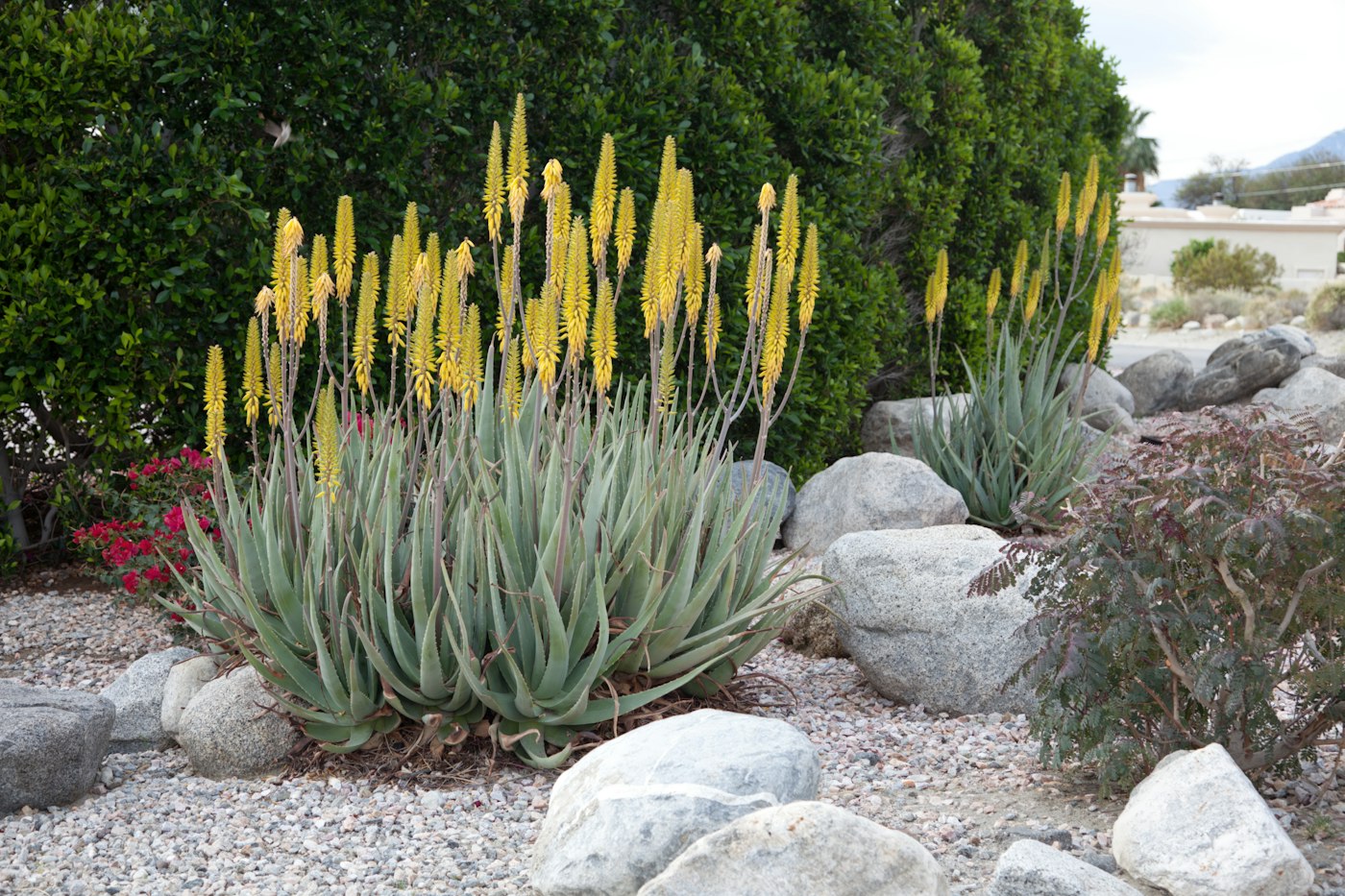
Gravel paths, flagstone patios, and dry creek beds reduce the area you need to water. Moreover, a dry creek bed can carry storm runoff away from your foundation, which makes it practical as well as attractive.
11. Plant in Fall or Early Spring
New plants need regular water to establish, even tough ones. Planting during cooler months lets roots grow before summer heat. In mild climates, fall is often the best season.
12. Harvest Rainwater
A rain barrel under a downspout can store water for dry weeks. Check local rules first, since a few places regulate rainwater collection.
Drought Tolerant Landscaping in South America
Dry regions of South America face the same challenges. In central Chile and western Argentina, gardeners often use Mediterranean-style plantings with native shrubs, grasses, and succulents. In northeastern Brazil’s semi-arid zone, cacti and native trees adapted to long dry seasons are common. The principles are identical: right plant, right place, mulch, and deep watering.
Learn More
The EPA’s WaterSense program has a helpful guide to outdoor water use, including tips on irrigation timers and plant choice.
FAQ
Is drought tolerant landscaping the same as xeriscaping?
Close. Xeriscaping is a specific set of water-saving design principles. Drought tolerant landscaping is the broader idea of using less water outdoors.
Do drought tolerant plants need water?
Yes, during their first year or two. After that, most need water only during extended drought.
Will a low-water yard look bare?
It doesn’t have to. Dense plantings, grasses, and flowering perennials keep it full and colorful.
