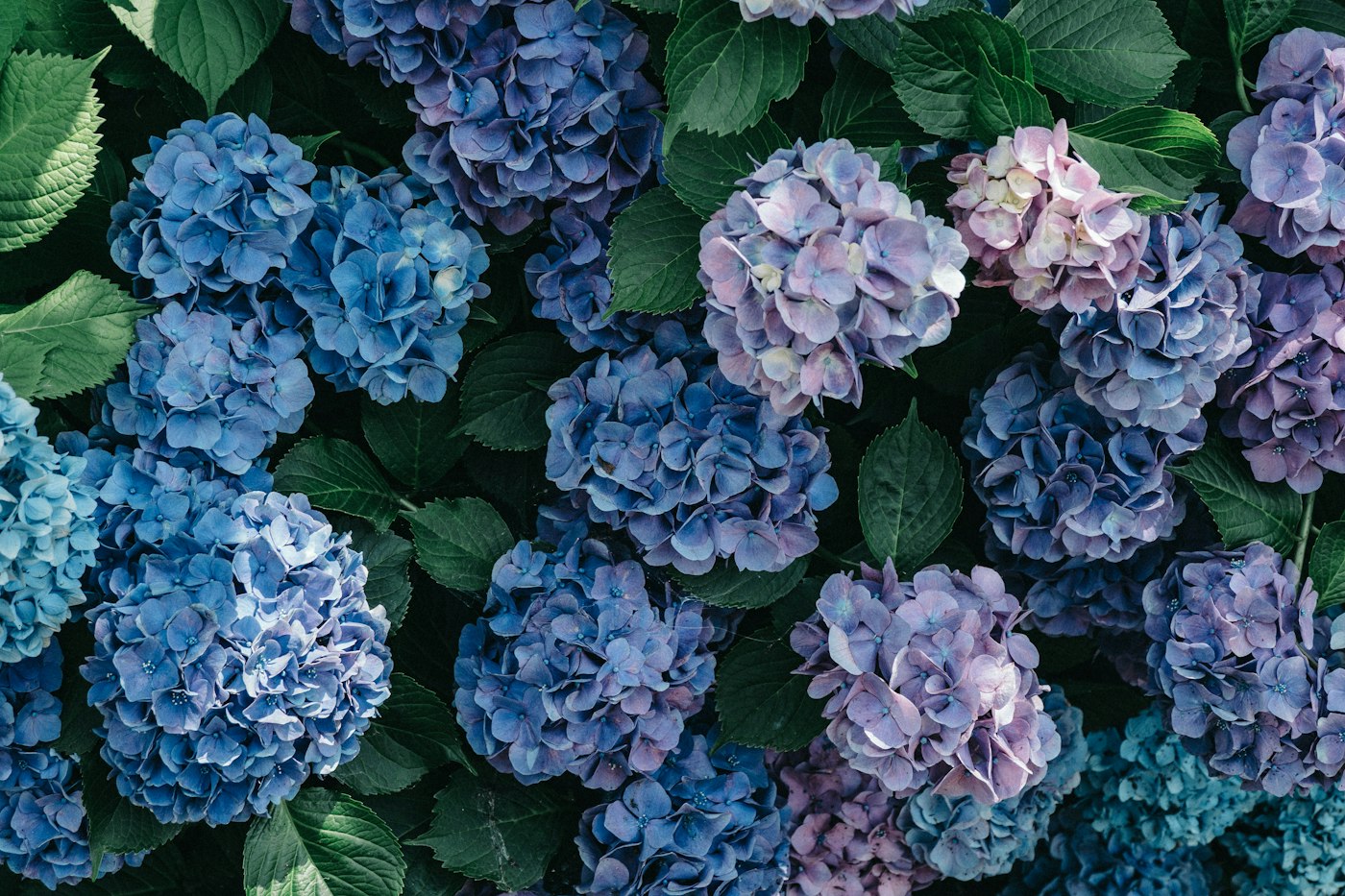

Few plants can change color like a bigleaf hydrangea. The same shrub can bloom sky blue in one yard and bright pink in the next. The difference isn’t the plant. It’s the soil. If you want to know how to change hydrangea color, you need to understand soil pH and aluminum.
Here’s how it works, which hydrangeas can switch, and what to do to push them pink or blue.
Which Hydrangeas Change Color?
Only bigleaf hydrangeas (Hydrangea macrophylla) and mountain hydrangeas (H. serrata) with blue or pink flowers can change. White hydrangeas stay white, regardless of soil. Likewise, panicle types like ‘Limelight’ turn pink as they age, but that’s a natural color shift, not a soil reaction.
The Science in Plain Terms
- Blue flowers happen when the plant absorbs aluminum from the soil. This only happens in acidic soil, with a pH around 5.5 or lower.
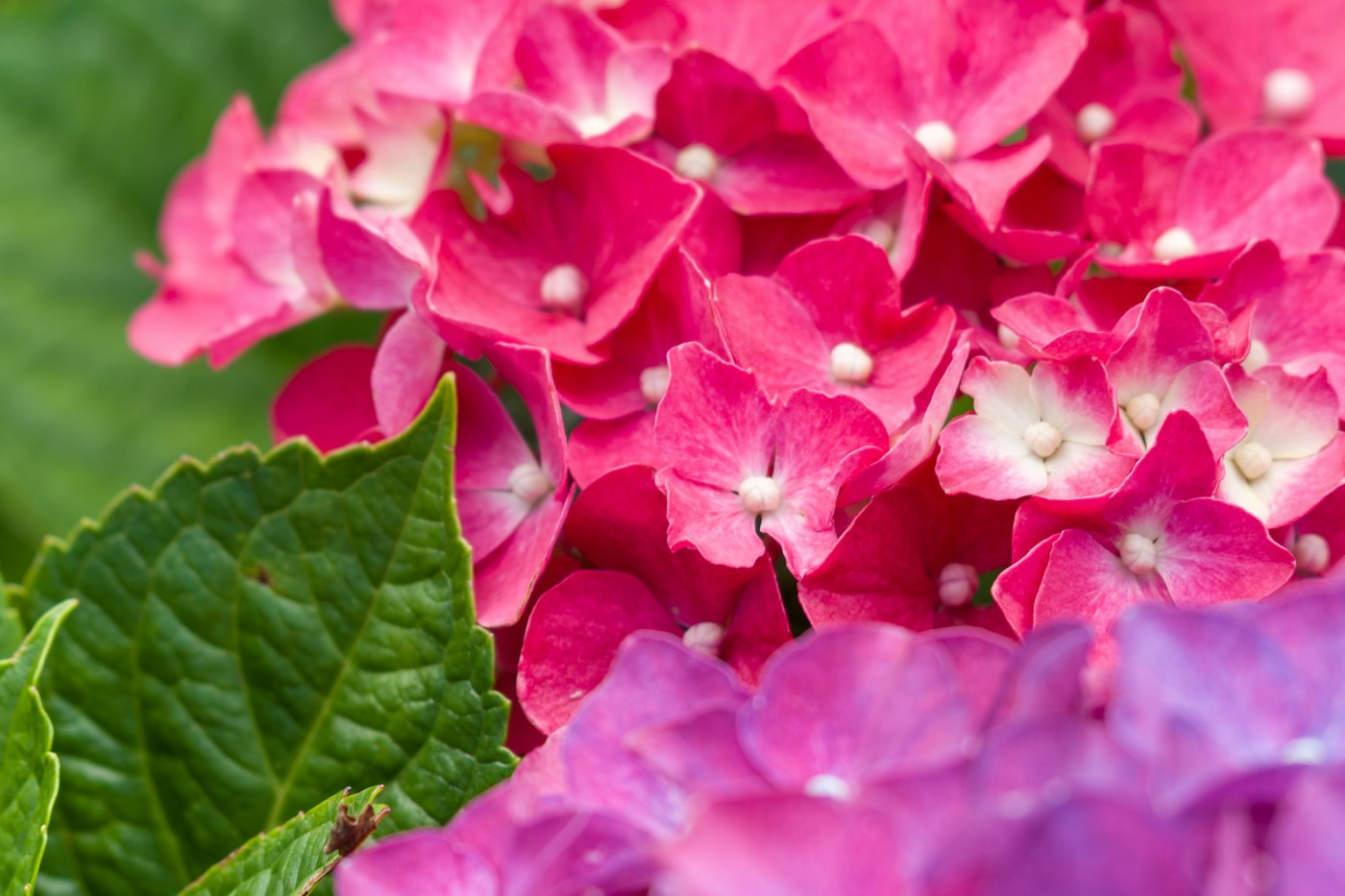
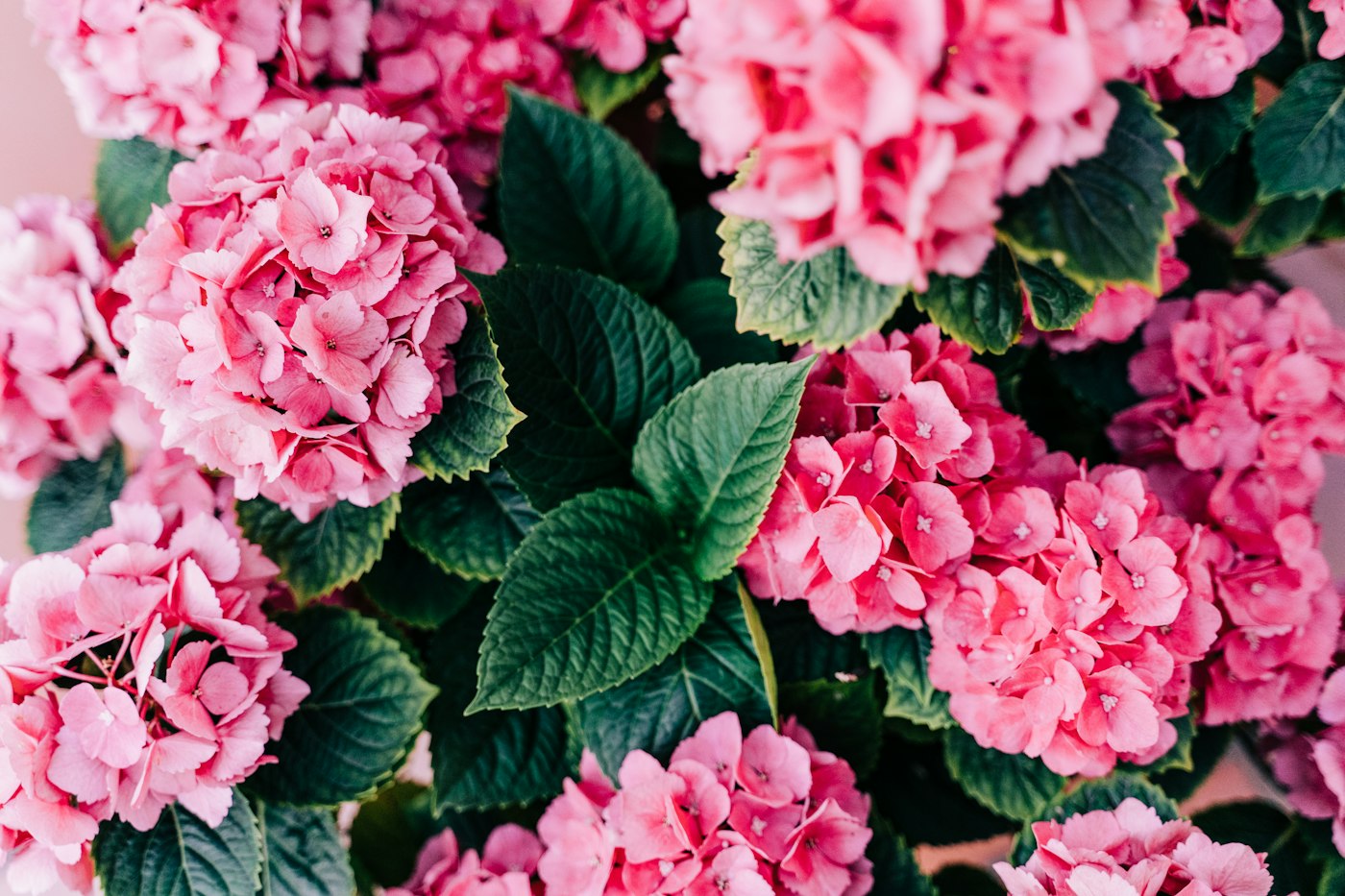
- Pink flowers happen when aluminum isn’t available, usually in neutral to alkaline soil with a pH of 6.5 or higher.
- Purple or mixed flowers usually mean the pH is somewhere in between.
Before you start, test your soil. Many garden centers sell inexpensive kits, and local extension offices offer more accurate tests.
How to Change Hydrangea Color to Blue
- Lower the soil pH. Apply garden sulfur according to the package directions, usually in spring or fall.
- Add aluminum. Aluminum sulfate works faster than sulfur. Dissolve about 1 tablespoon per gallon of water and drench the root zone in spring. However, too much can burn roots, so follow label rates.
- Use acidic mulch. Pine needles or pine bark help keep the soil acidic over time.
- Choose low-phosphorus fertilizer. Phosphorus binds aluminum and makes it harder for the plant to take up.
How to Change Hydrangea Color to Pink
- Raise the soil pH. Apply garden lime in fall or early spring.
- Use a higher-phosphorus fertilizer. It helps block aluminum uptake.
- Avoid acidic mulches. Skip pine needles and use shredded hardwood instead.
In general, pink is easier in areas with naturally alkaline soil, such as much of the Midwest and Southwest.
How Long Does It Take?
Learning how to change hydrangea color takes patience, because soil changes slowly, and flower buds for next year form months in advance. Typically, it takes one full season to see a difference and two seasons for a strong change. Moreover, large, established shrubs change more slowly than young ones.
The Easiest Way: Grow in Pots
If your native soil fights you, grow hydrangeas in large containers. For blue, use an acidic potting mix made for azaleas. For pink, use regular potting mix with a little lime. As a result, you’ll control the soil completely.
Don’t Forget the Basics
Color changes don’t matter if the shrub doesn’t flower. Pruning at the wrong time is the most common reason for missing blooms. Our guides on when to prune hydrangeas and why a hydrangea is not blooming cover the essentials.
Hydrangea Color in South America
In southern Brazil, hydrangeas famously bloom blue along roads in the Serra Gaúcha, where soils are naturally acidic. In other areas with neutral soil, the same plants bloom pink or purple. The same methods work there; just apply treatments in late winter and spring, around August to October.
Learn More
For variety information and care, see the North Carolina Extension Gardener’s bigleaf hydrangea profile.
FAQ
Do coffee grounds turn hydrangeas blue?
They add a little acidity. However, it’s usually not enough to change color on their own.
Can I change hydrangea color in one season?
Rarely. Most shrubs need a full year or more to show a clear change.
Why are my hydrangea flowers green?
Many hydrangeas fade to green as flowers age in late summer. That’s normal and isn’t related to soil.
