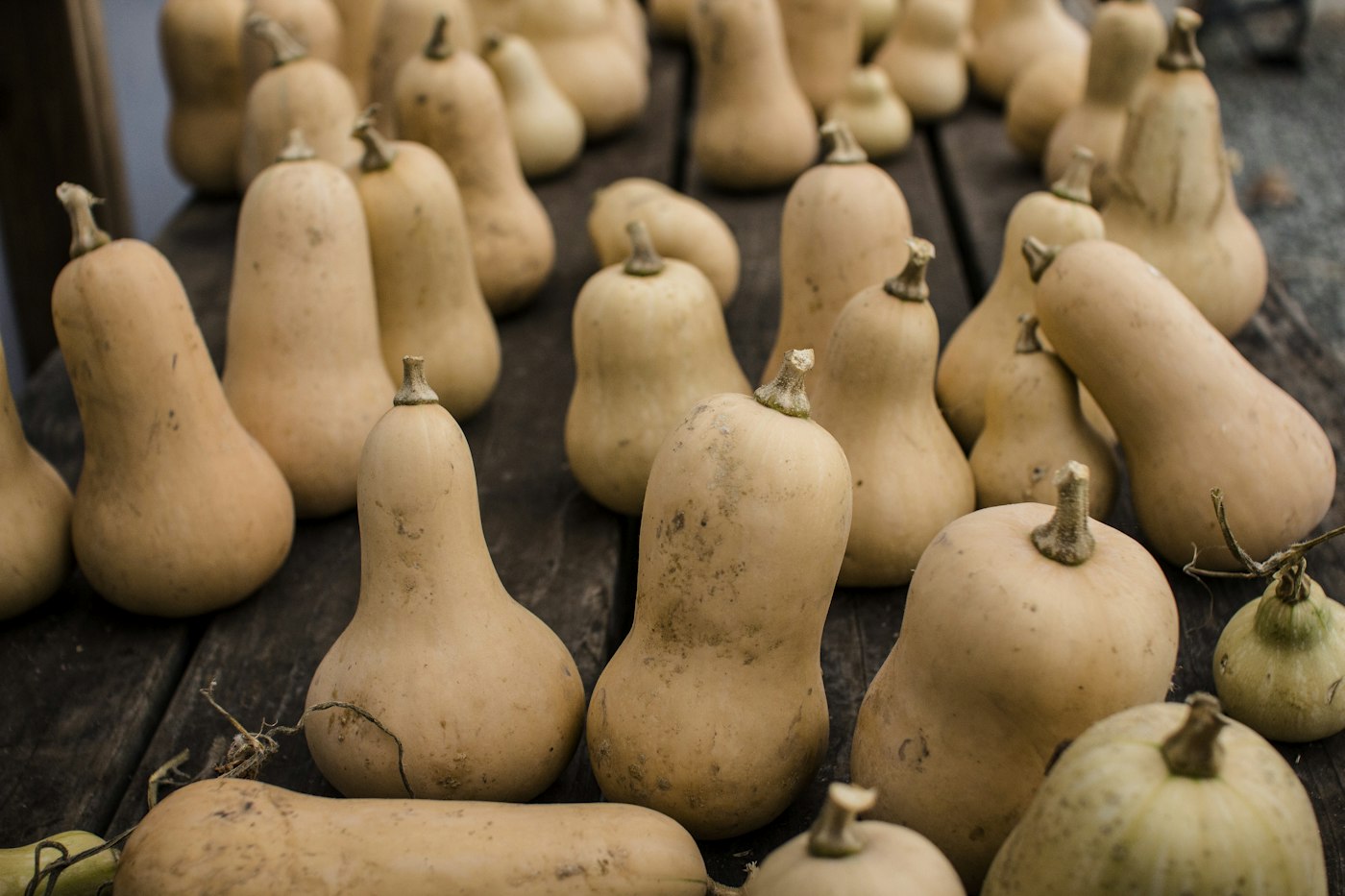

Winter squash is one of the few garden crops you can enjoy for months after harvest without canning or freezing. Butternut, acorn, Hubbard, and pie pumpkins all keep well on a shelf, as long as you pick, cure, and store them correctly. Here’s how to store winter squash so it stays firm and sweet well into winter.
Step 1: Harvest at the Right Time
Good storage starts in the garden. Squash picked too early won’t last. Look for these signs of ripeness:
- Hard rind: You can’t dent the skin with a fingernail.
- Deep color: The skin has turned its full mature color, and the shine has dulled.
- Dry stem: The stem near the fruit looks corky and starts to crack.
- Colored ground spot: The spot that touched the soil turns cream or orange.
Also, harvest before a hard frost. A light frost on the vines is fine. However, frost or long spells below 50°F can damage the fruit and shorten storage life.
Step 2: Cut, Don’t Pull
Use pruners or a sharp knife, and leave 2 to 4 inches of stem attached. Never carry squash by the stem, because a broken stem leaves an open wound where rot starts. In addition, handle the fruit gently, since bruises turn into soft spots later.
Step 3: Cure Most Types
Curing toughens the skin and heals small nicks. For most winter squash, keep the fruit at about 80°F to 85°F for 10 to 14 days. A sunny porch, a warm room, or a spot near (not on) a furnace works.
There’s one big exception, though. Acorn squash doesn’t benefit from curing. In fact, warm temperatures make it stringy and dull. So move acorn squash straight into storage.
Step 4: How to Store Winter Squash Long Term
After curing, find a spot that’s cool, dry, and dark. The basics of how to store winter squash are simple:
- Temperature: Aim for 50°F to 55°F. Colder than 50°F causes chilling injury, while warmer spots speed up drying.
- Humidity: Moderate humidity, around 50% to 70%, is ideal. Damp basements often cause mold.
- Air flow: Set squash in a single layer on shelves or cardboard, so they don’t touch each other.
- Away from fruit: Keep them away from apples and pears, which give off ethylene gas.
A closet in a cool bedroom, an unheated spare room, or a dry corner of the basement usually works. Avoid the refrigerator, because it’s too cold and too humid for whole squash.
How Long Does Each Type Keep?
Storage life varies quite a bit. When you store winter squash under good conditions, expect roughly:
- Acorn: 1 to 2 months
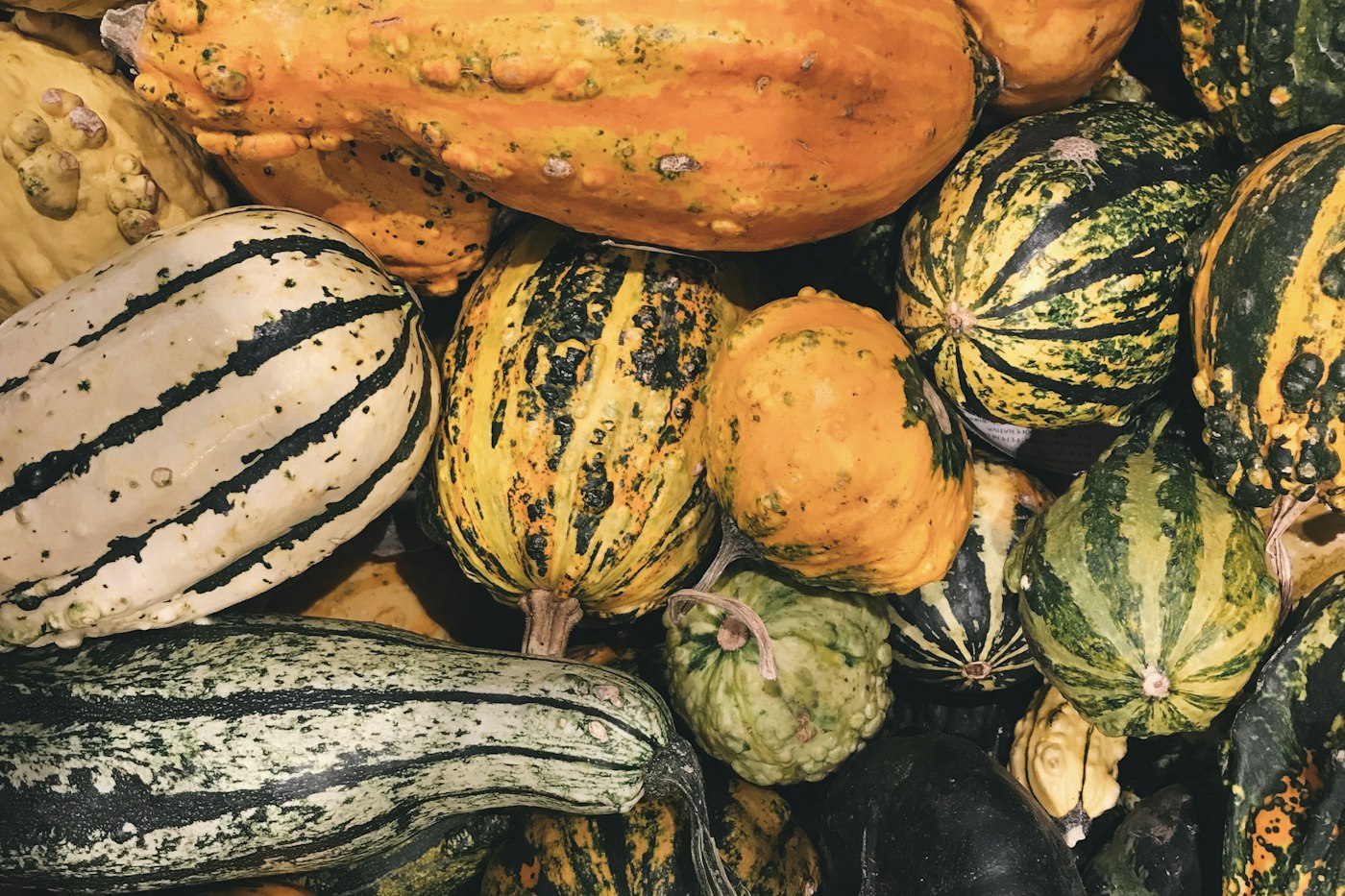
- Delicata and spaghetti: 1 to 3 months
- Pie pumpkins: 2 to 3 months
- Butternut: 3 to 6 months
- Hubbard and other large types: up to 6 months
So eat the short keepers first. Then save butternut and Hubbard for late winter. You can read more about both species on NC State’s pages for butternut squash and Hubbard and buttercup squash.
Check Your Squash Every Few Weeks
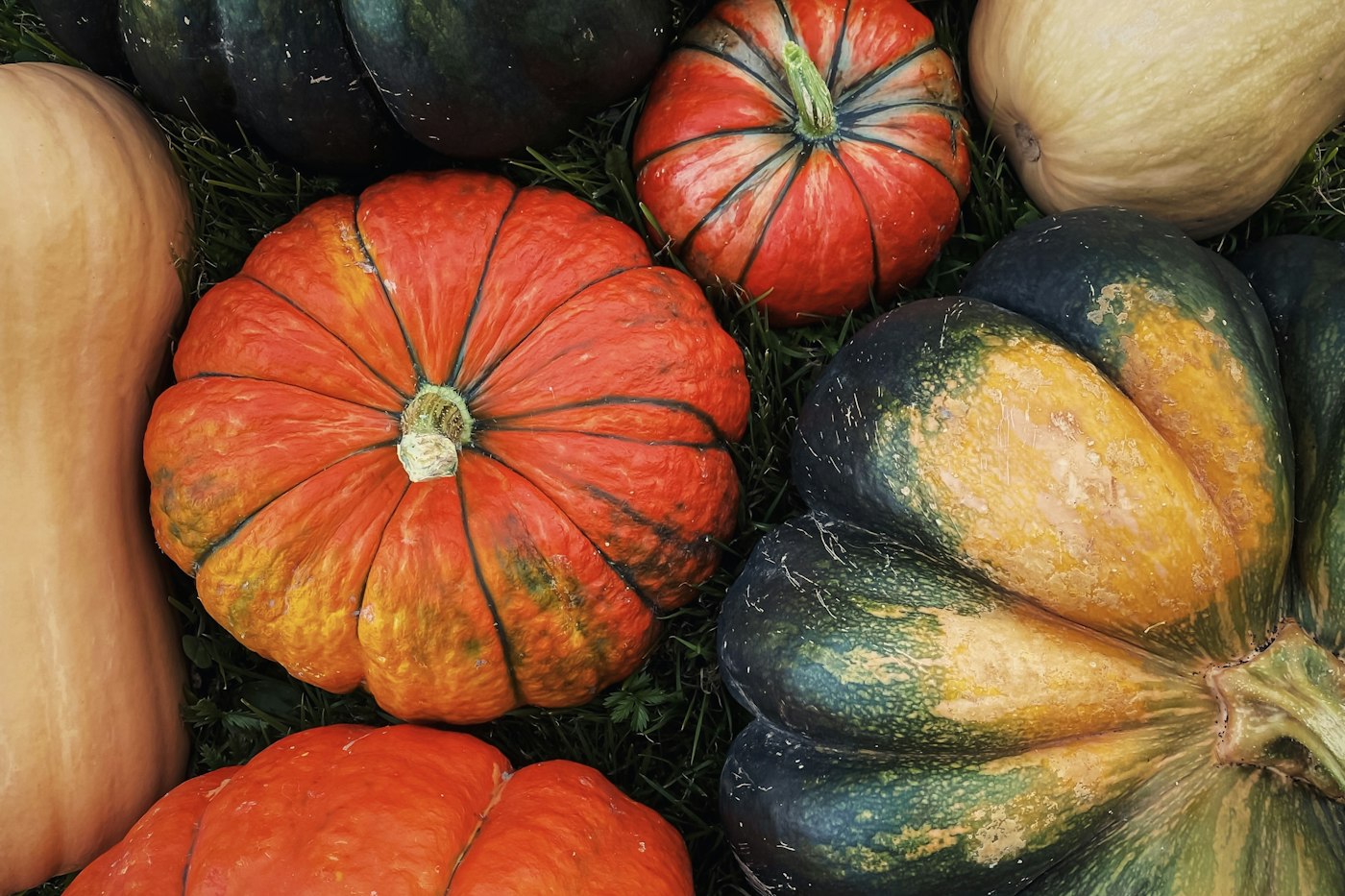
Every two or three weeks, turn each squash and look for soft spots, mold, or leaking. Use any fruit with small blemishes right away. Meanwhile, throw out anything that’s mushy, because rot spreads to neighbors quickly.
Some gardeners wipe the skins with a mild bleach solution (about 1 part bleach to 10 parts water) before storage. That’s optional, but it may reduce mold. Let the fruit dry fully afterward.
What to Do With Squash That Won’t Keep
If a squash has a cut, a broken stem, or a soft spot, don’t store it. Instead, cook it within a week. Roasted squash freezes well, and so does pureed squash for soups and pies.
Plan Next Year’s Crop
Winter squash needs space, so plan ahead. Vining types sprawl 10 feet or more, while bush types fit smaller beds. Our small backyard vegetable garden guide has tips for tight spaces. And once the squash bed is empty, cover it with mulch or compost as part of your fall garden chores.
FAQ
Can I store winter squash in the garage?
Yes, if it stays above 50°F. Many garages get too cold by December, though, so check with a thermometer.
Why did my squash rot in storage?
Common causes include picking too early, a missing stem, bruising, cold damage, or high humidity.
What’s the most important rule for how to store winter squash?
Keep it cool but not cold. If you store winter squash between 50°F and 55°F with good airflow, most types last for months.
